11 Feb 2026
In the world of filtration, finding the right solution for your specific needs is critical. Tomaifilter specializes in high-quality filtration products, and one name you'll frequently encounter is "Screen Johnson." But what exactly are Screen Johnson filters, and why are they so effective? This article delves into the technology, applications, and benefits of these filters, providing a thorough understanding for professionals and anyone seeking efficient filtration solutions. Properly selecting a filter significantly improves system performance and extends equipment life. We’ll explore why Screen Johnson filters are a trusted choice across various industries.
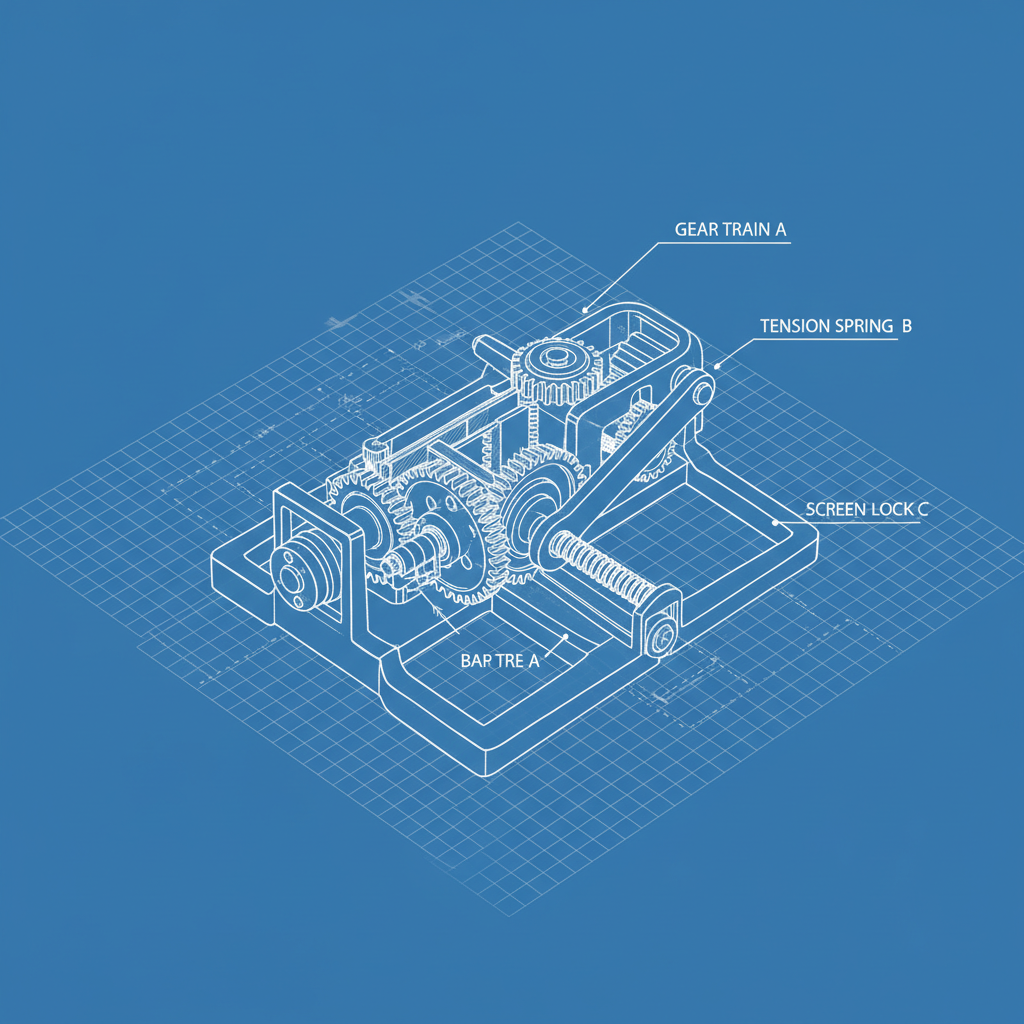
Screen Johnson filters are a type of self-cleaning filter that utilizes a continuous slot, V-shaped wire screen to remove solids from liquids. Unlike traditional woven mesh filters, the continuous slot design minimizes clogging and provides a larger open area for flow. This makes them exceptionally efficient at handling high solids loads without significant pressure drop. The continuous slot construction also prevents particles from lodging tightly, allowing for effective backwashing and maintaining consistent filtration performance. These filters are commonly used in water treatment, wastewater treatment, and various industrial processes.
Key Highlights: Minimizes clogging with continuous slot design, provides large open area for flow, and ideal for high solids loads.
The core of a Screen Johnson filter is its unique V-shaped wire screen. This screen is formed by wrapping V-shaped profile wire around a central core, creating a continuous slot. The precise slot size determines the level of filtration, ranging from coarse to fine. The V-shaped profile ensures that particles cannot wedge themselves into the slot, promoting self-cleaning action. Materials commonly used for these screens include stainless steel (304, 316L) offering excellent corrosion resistance and durability. The design is engineered to handle high pressure differentials and maintain efficiency over extended periods.
Screen Johnson Filter Benefits:
• High flow rates with minimal pressure drop
• Excellent self-cleaning capabilities
• Long service life and low maintenance
• Suitable for a wide range of liquids and viscosities
Compared to other filtration methods like sand filters, cartridge filters, or bag filters, Screen Johnson filters offer distinct advantages. Sand filters require frequent backwashing and have lower filtration efficiency. Cartridge and bag filters are prone to clogging and require regular replacement. Screen Johnson filters, with their self-cleaning design, offer a balance of high efficiency, low maintenance, and long service life. They also excel in handling high solids loads that would quickly overwhelm other filtration systems. The Tomaifilter team can help you evaluate your specific needs and determine if a Screen Johnson filter is the optimal choice.
Screen Johnson filters find applications across a diverse range of industries. In water treatment plants, they are used for pre-filtration to remove debris and protect downstream equipment. Wastewater treatment facilities utilize them for solids removal and effluent polishing. Industrial applications include cooling water filtration, process water filtration, and intake screening for pumps and other machinery. They are particularly effective in applications involving abrasive or fibrous materials. Tomaifilter provides tailored solutions for various applications.

Selecting the appropriate Screen Johnson filter requires careful consideration of several factors. The most crucial is the required filtration level, determined by the size of the particles you need to remove. The flow rate and pressure drop are also critical parameters. Material compatibility with the fluid being filtered is essential to prevent corrosion or contamination. Finally, the overall system design and available space should be considered. Tomaifilter's experienced engineers can provide expert guidance to help you select the optimal filter for your specific needs.
Screen Johnson filters provide a robust and efficient solution for a wide range of filtration challenges. Their self-cleaning design, high flow rates, and durability make them a cost-effective and reliable choice. By understanding the technology and applications of these filters, you can make informed decisions to optimize your filtration processes. Contact Tomaifilter today to discuss your specific filtration needs.
Screen Johnson filters are incredibly versatile and compatible with a wide range of fluids, including water, wastewater, chemicals, oils, and various industrial liquids. The key is to select the appropriate material for the filter screen and housing. Stainless steel (304 or 316L) is commonly used for its excellent corrosion resistance, making it suitable for many applications. However, specific fluids may require alternative materials like titanium or Hastelloy. Tomaifilter can provide expert advice on material selection based on your fluid composition.
The frequency of backwashing depends on the solids load and the specific application. Generally, Screen Johnson filters require less frequent backwashing than traditional filters due to their self-cleaning design. However, monitoring the pressure differential across the filter is crucial. When the pressure drop reaches a pre-determined level (typically 5-10 psi), it's time to initiate a backwash cycle. Automatic backwash systems can be implemented for continuous operation and minimal manual intervention.
With proper maintenance and operation, a Screen Johnson filter can have a long lifespan, often exceeding 10 years. The durability of the materials (especially stainless steel) contributes to its longevity. However, the lifespan can be affected by factors such as fluid corrosivity, solids concentration, and the frequency of backwashing. Regular inspections for wear and tear are essential to ensure optimal performance and prevent premature failure.
Yes, Screen Johnson filters can be highly customized to meet specific application requirements. Tomaifilter offers custom designs, including variations in slot size, screen material, housing configuration, and connection types. This allows us to create a filter perfectly tailored to your unique needs, ensuring optimal performance and efficiency.


Hit enter to search or ESC to close
