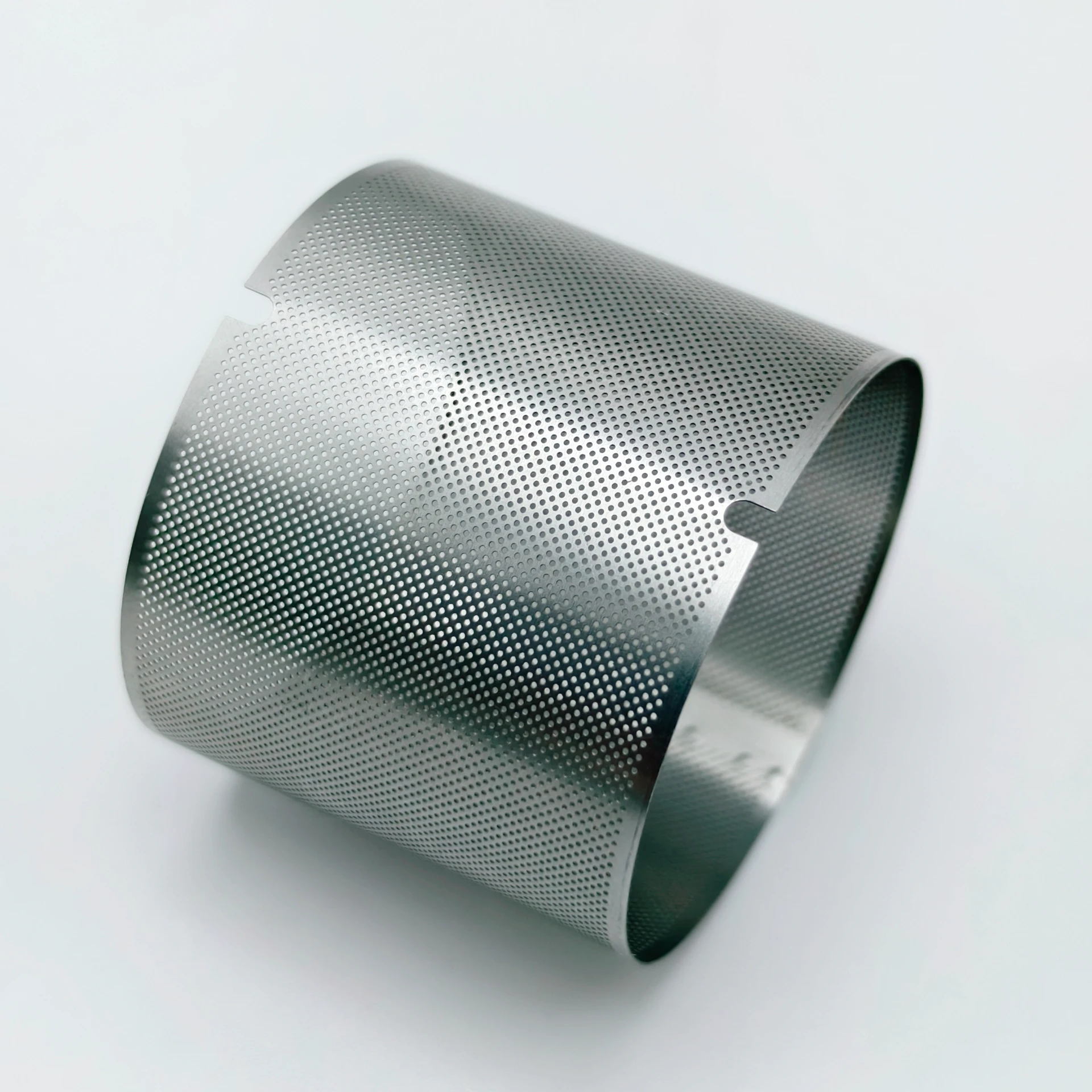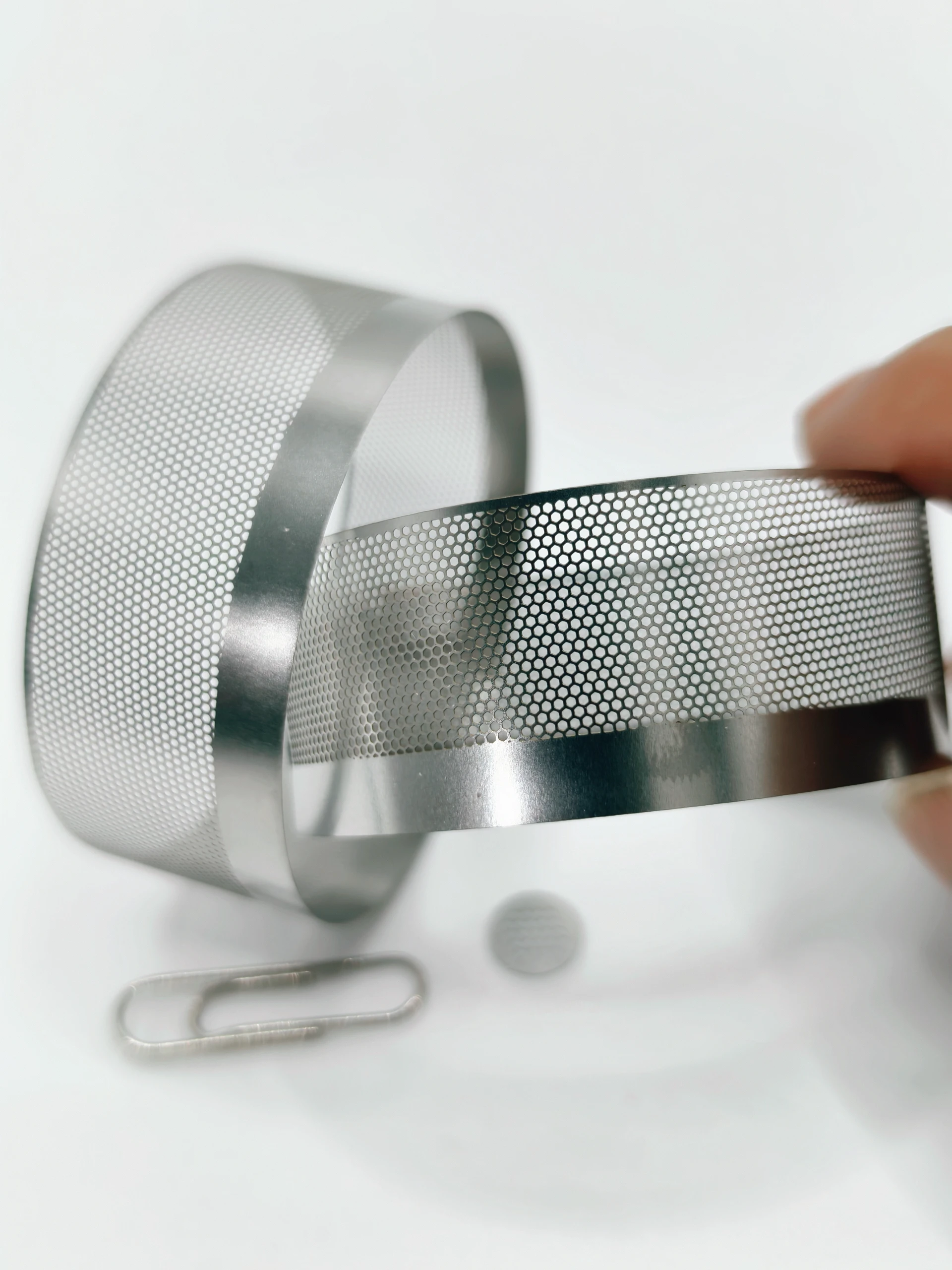
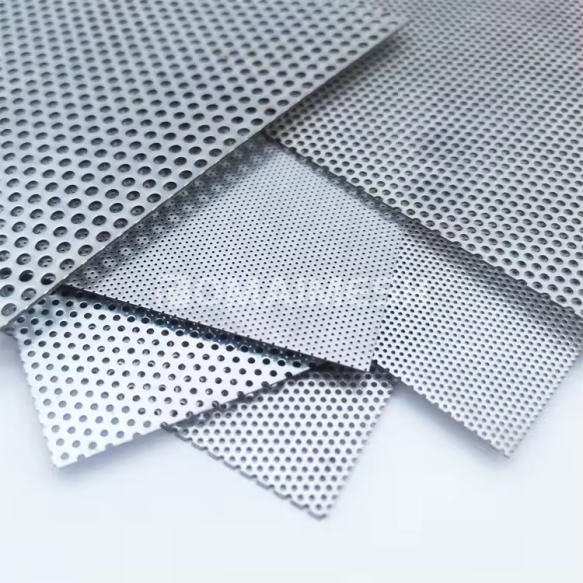
Finland's manufacturing sector is characterized by a high demand for materials that can withstand severe arctic winters and high humidity. The use of perforated aluminium plate has become essential in Finnish coastal architecture due to its natural oxide layer which prevents salt-spray corrosion common in Baltic regions.
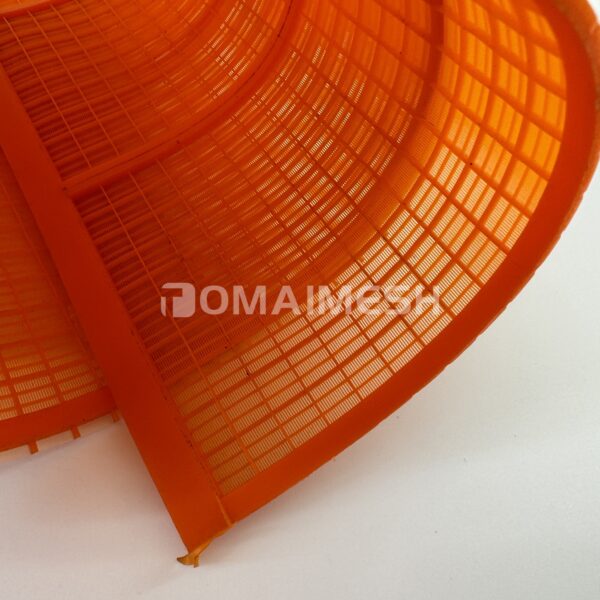
Local industrial standards prioritize sustainability and energy efficiency. Consequently, there is a significant shift towards using slotted perforated metal for HVAC systems and industrial ventilation, allowing for optimized airflow while maintaining the structural rigidity required for heavy-duty Finnish machinery.
Furthermore, the Finnish construction market emphasizes "Functionalism," where the aesthetic of square perforated sheet is integrated into modern facade designs in Helsinki and Espoo, balancing natural light penetration with thermal insulation requirements.