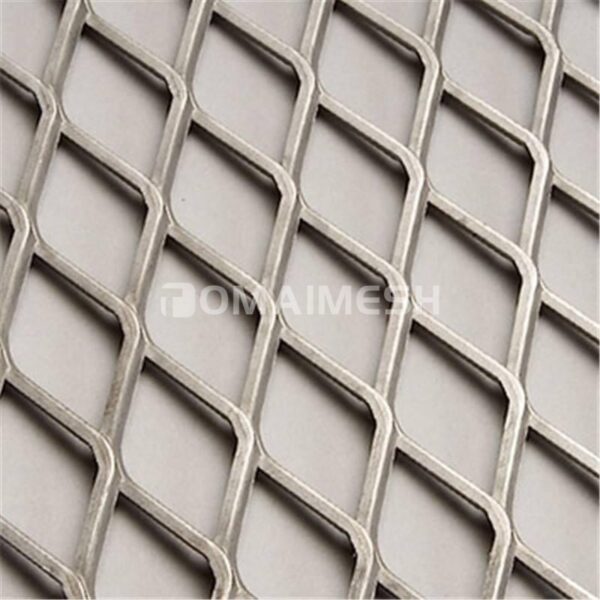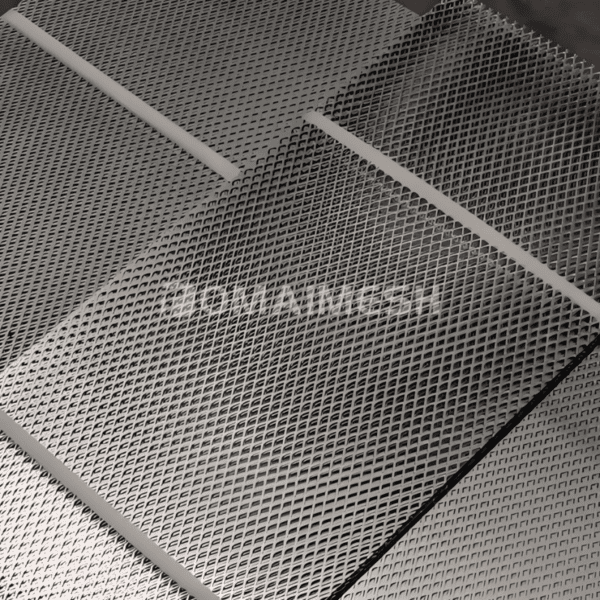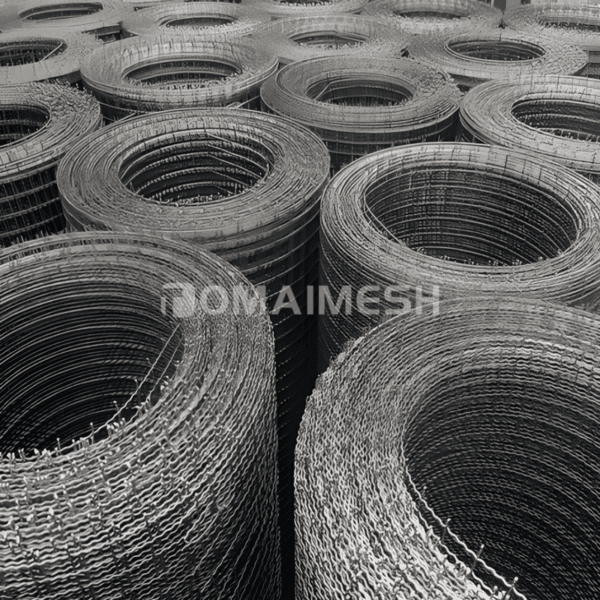
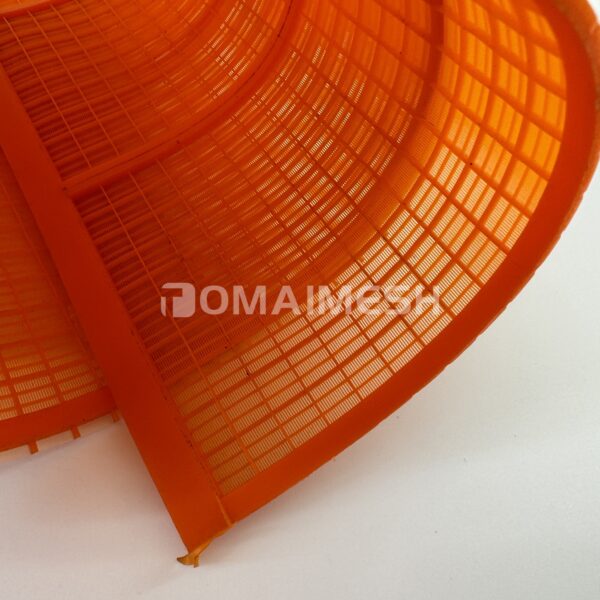
Industrial punched metal panels Solutions for Myanmar Infrastructure

Providing high-precision structural metal components tailored for the diverse architectural and security needs of the Myanmar market.

Industrial punched metal panels Solutions for Myanmar Infrastructure

From urban development in Yangon to industrial expansion in Mandalay, our precision-engineered metal solutions provide the perfect balance of ventilation, strength, and aesthetic appeal.

Current State of Structural Metal Manufacturing in Myanmar

Analyzing the adoption of advanced perforation technologies in Southeast Asia's emerging economy.

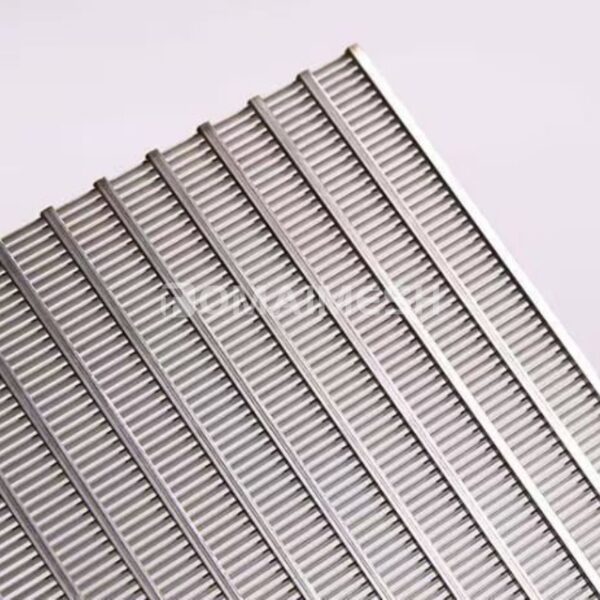
The Myanmar construction sector is currently experiencing a transition from basic steel framing to specialized structural components. Due to the tropical monsoon climate, there is an increasing demand for perforated aluminium plate to combat high humidity and corrosion in coastal regions and urban centers.

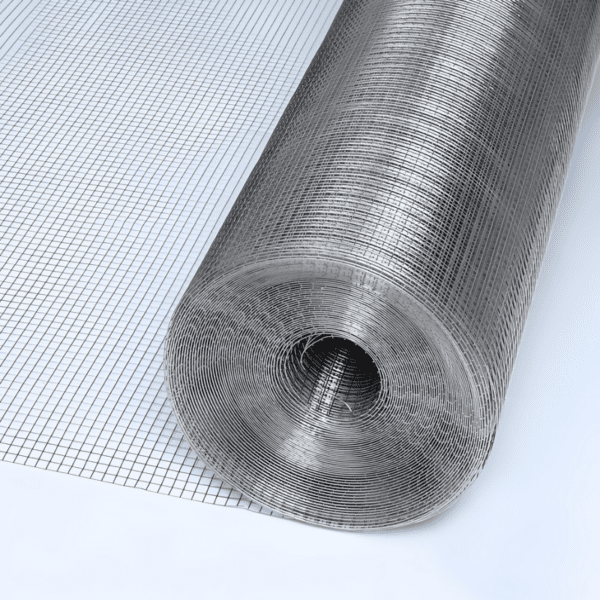
Currently, much of the local market relies on standard imported materials, but there is a growing shift toward customized perforated mesh metal for specialized security fencing and industrial filtration, driven by the growth of the manufacturing zones near Yangon.

Economic fluctuations have pushed local contractors to seek materials that offer long-term durability with low maintenance. This has led to a surge in the use of galvanized and powder-coated finishes to ensure that structural metal products survive the intense UV exposure and heavy rainfall characteristic of the region.
Evolution and Trajectory of Perforated Metal Technology

From manual punching to CNC precision: the journey of structural metal evolution.

Market Development History

In the early 2000s, the Myanmar metal industry primarily utilized manual punching and basic welding techniques. Most "perforated" products were simple square perforated sheet designs used for basic drainage and simple agricultural screens.

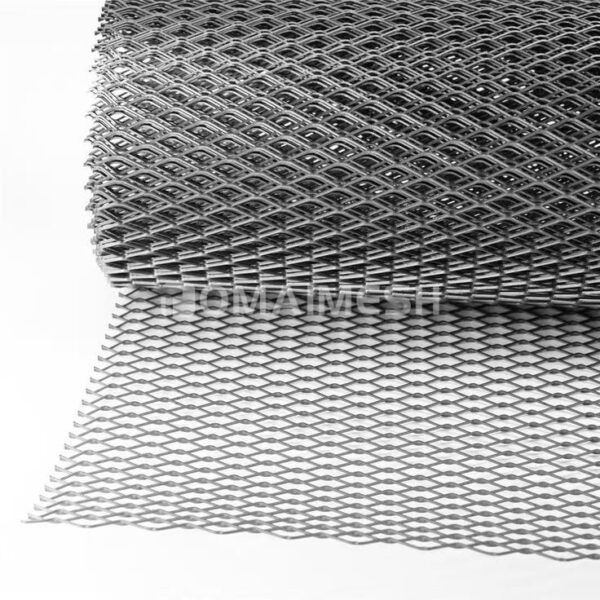
Between 2010 and 2018, the introduction of automated hydraulic presses allowed for more complex patterns. This era saw the rise of slotted perforated metal for industrial ventilation and architectural facades in new commercial developments.

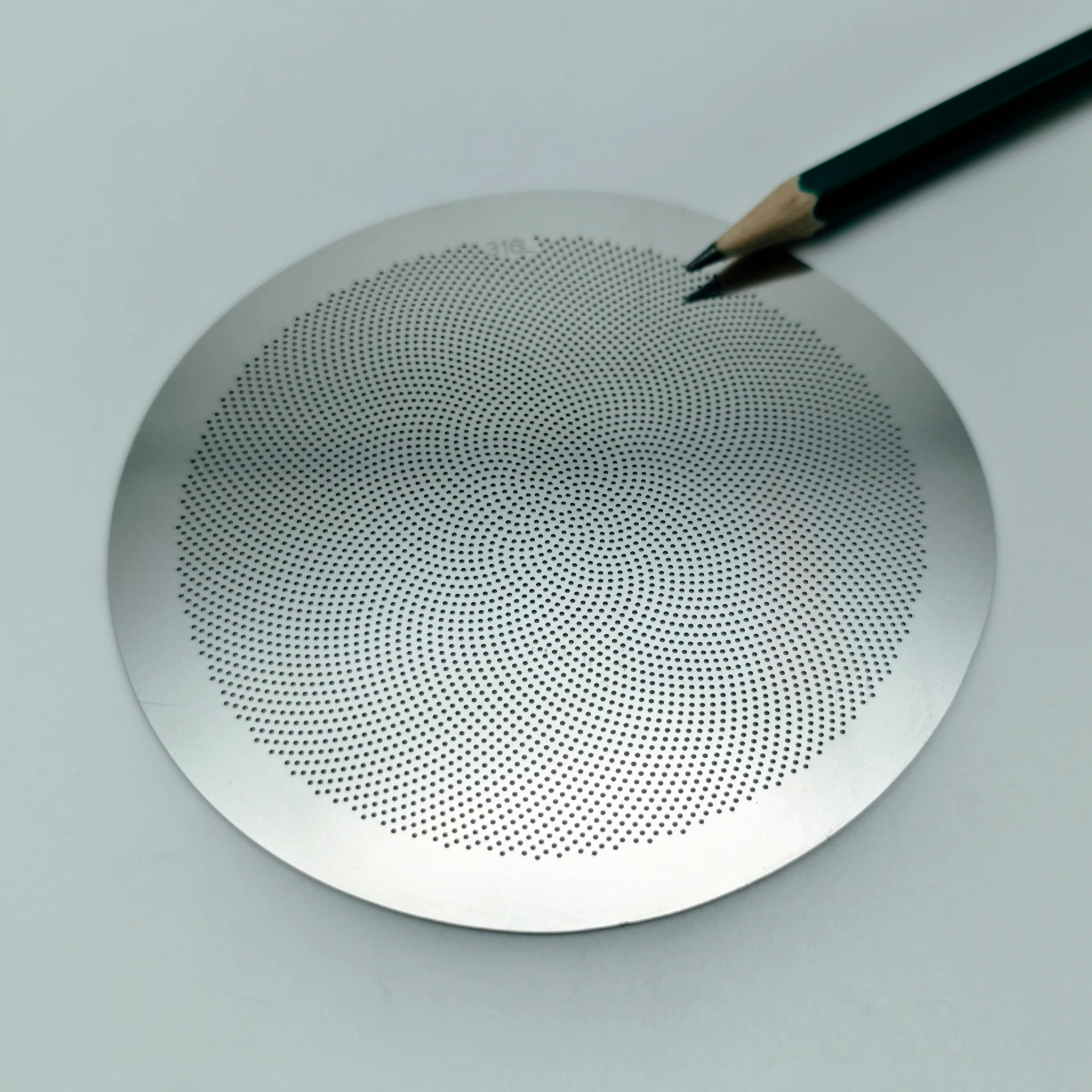
From 2019 to the present, the industry has pivoted toward CNC laser cutting and high-speed precision punching. This technological leap enables architects to specify exact open-area percentages and complex geometric patterns for high-end security and decorative applications.

Future Development Trends

Integration of Smart Coatings

Future trends indicate a move toward nano-coatings that provide hydrophobic properties, essential for Myanmar's rainy season, reducing oxidation on aluminium and steel substrates.

Sustainable Material Sourcing

There is a projected increase in the use of recycled alloys, aligning with global green building certifications (LEED) which are beginning to influence large-scale projects in Asia.

BIM-Driven Customization

The integration of Building Information Modeling (BIM) will allow for the precise pre-fabrication of perforated panels, reducing on-site waste and installation time in urban hubs.

Future Trends and Industry Outlook for Myanmar

Strategic predictions for the structural metal fabrication landscape over the next 5 years.

Eco-Friendly Alloys
Transitioning toward low-carbon aluminum and recycled steel to meet emerging environmental regulations in Asia.
High-Precision Tooling
Adoption of laser-guided punching to achieve tighter tolerances for industrial filtration systems.
Modular Prefabrication
Shift toward off-site modular panels to accelerate construction timelines in developing urban zones.
Anti-Corrosive Innovation
Development of specialized alloy coatings specifically for high-salinity coastal environments.

Industry Outlook

Based on regional search trends, there is a quantifiable increase in queries related to "industrial ventilation" and "security mesh" within Myanmar. This indicates a shift from simple construction toward sophisticated industrial facility management.

We anticipate that the integration of AI-driven design will allow for the optimization of perforation patterns to maximize airflow and light penetration, significantly reducing energy costs for commercial buildings in the region.

Localized Applications in Myanmar

Practical implementations of structural perforated metals across diverse Myanmar sectors.

01. Urban Infrastructure & Facades

Using perforated aluminium panels for solar shading in Yangon's commercial districts to reduce HVAC loads while maintaining natural lighting.

02. Industrial Filtration Systems

Implementing precision-engineered mesh for the agricultural processing plants in the Ayeyarwady Region to ensure high-grade sorting and filtration.

03. High-Security Perimeter Fencing

Installing heavy-duty punched metal panels for government and diplomatic installations, providing visibility and maximum security.

04. HVAC and Ventilation Grilles

Applying slotted metal sheets in industrial warehouses in Mandalay to optimize cross-ventilation in high-temperature environments.

05. Marine and Port Equipment

Utilizing corrosion-resistant perforated plates for walkways and drainage systems in the port cities of Sittwe and Kyaukpyu.

Brand Story

Global Development Journey of Anping Tomei Wire Mesh Products Co., Ltd.

Foundational Excellence

Established in the heart of the wire mesh industry, we began by mastering the fundamentals of metal weaving and punching.

Technological Leap

We invested in CNC automation, transitioning from manual production to high-precision industrial fabrication.

Global Expansion

Expanding our footprint into Southeast Asia, we tailored our products to meet the specific climatic challenges of regions like Myanmar.

Quality Certification

Achieving international standards for quality management, ensuring every panel meets rigorous structural integrity tests.

Future Vision

Dedicated to solving the most complex structural challenges in the metal industry through innovation and sustainability.

Comprehensive Metal Solutions for the Myanmar Market

A full suite of perforated and punched metal products engineered for durability and performance.

Frequently Asked Questions - Myanmar Region

Technical insights and procurement guidance for structural metal products.

Which material is best for coastal areas in Myanmar?

For high-salinity coastal environments, we strongly recommend perforated aluminium plate or stainless steel 316 with a specialized powder coating to prevent chloride-induced corrosion.

How to calculate the open area for industrial ventilation?

The open area is calculated by the ratio of the hole area to the total area of the sheet. For high-airflow requirements in warehouses, we suggest specific slotted perforated metal patterns.

Can you provide custom patterns for architectural facades?

Yes, we utilize CNC technology to create bespoke designs in punched metal panels, allowing for unique branding or lighting effects on building exteriors.

What is the typical lead time for shipping to Yangon?

Lead times vary by order volume, but typically range from 15 to 30 days including production and sea freight to the main ports in Myanmar.

Is the square perforated sheet suitable for heavy loads?

Depending on the gauge (thickness) and material, a square perforated sheet can be engineered for high load-bearing capacities, ideal for industrial walkways.

How do I maintain perforated metal in humid climates?

We recommend regular cleaning with non-abrasive detergents and checking the integrity of the coating every 24 months to ensure long-term performance of the perforated mesh metal.

Ready to Upgrade Your Infrastructure?

Contact our engineering team today for a customized consultation on structural metal solutions tailored for Myanmar.

Contact Us Now

If you are interested in our products, you can choose to leave your information here, and we will be in touch with you shortly.