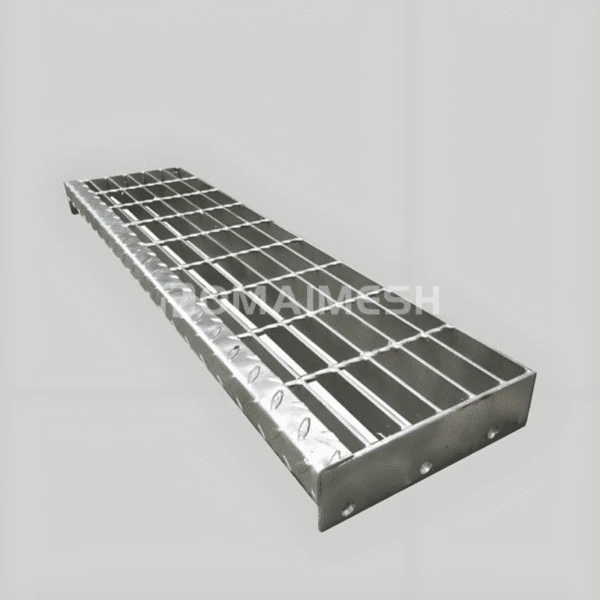
Industrial punched metal panels Solutions for Poland's Architecture

High-precision structural metal fabrication specializing in perforated systems for Poland's evolving industrial and safety infrastructure.

Industrial punched metal panels Solutions for Poland's Architecture

Providing the Polish market with advanced structural metal components, from heavy-duty industrial filtering to architectural safety screens, ensuring durability in Central European climates.

Current State of Metal Fabrication in Poland

Analyzing the demand for high-performance perforated materials in the Polish industrial landscape.

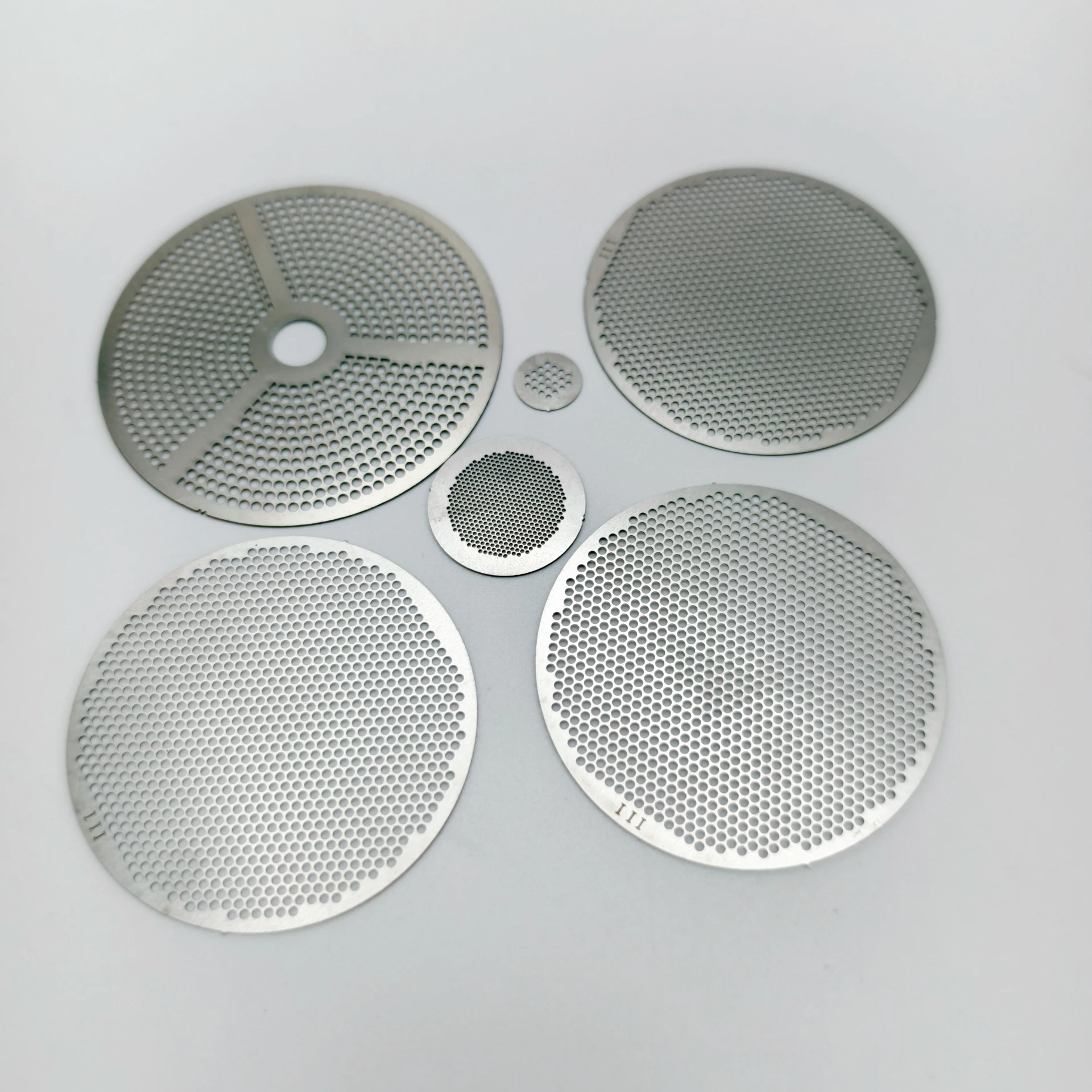
Poland has emerged as a critical hub for European manufacturing, where the demand for perforated mesh metal is driven by a massive expansion in warehouse logistics and automotive plants. The regional focus on "Industry 4.0" has pushed local contractors to seek materials that offer both structural integrity and precise ventilation.

Geographically, the Polish climate—characterized by significant temperature fluctuations and humidity—requires materials with superior corrosion resistance. This has led to a surge in the adoption of perforated aluminium plate, which provides the necessary lightweight properties and natural oxide layer to withstand the harsh winters of Silesia and Masovia.

Furthermore, the stringent EU safety regulations implemented across Poland have increased the necessity for specialized slotted perforated metal used in machinery guarding and safety walkways, ensuring that industrial sites meet the highest Occupational Health and Safety (OHS) standards.
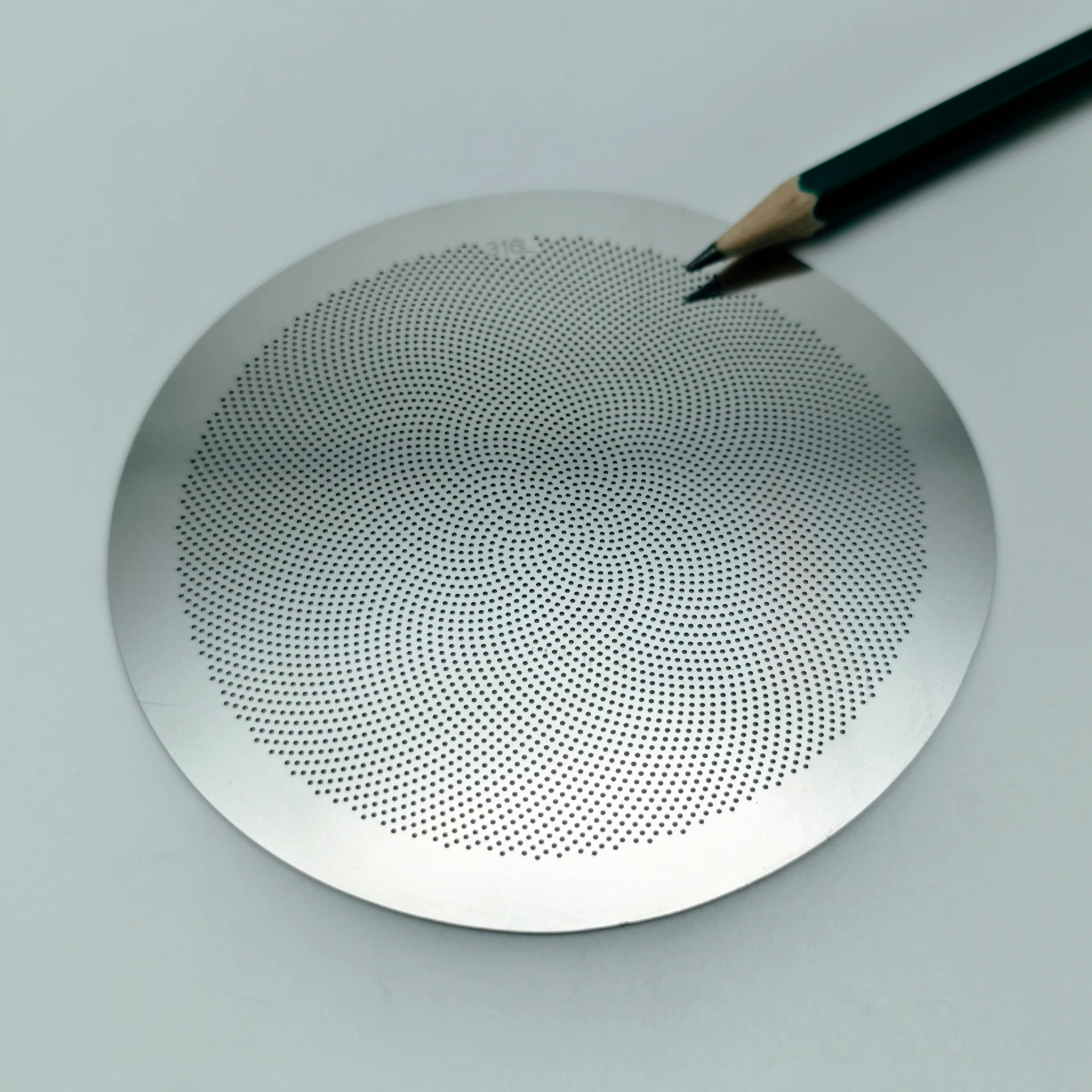
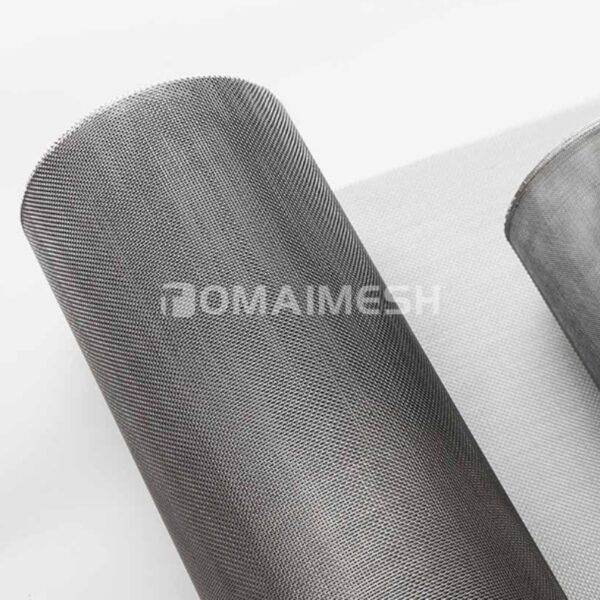
Evolution of Perforated Metal Engineering

From traditional punching to CNC-driven precision in the Polish metal sector.

Market Development History

In the late 20th century, the Polish metal industry relied heavily on manual mechanical punching and basic square perforated sheet designs, which were primarily used for simple agricultural screening and basic ventilation.

Between 2005 and 2015, the integration of CNC technology transformed the sector. The transition from analog dies to automated turret punching allowed for complex geometries and tighter tolerances, enabling the production of architectural facades across Warsaw and Krakow.

From 2016 to the present, the focus has shifted toward material science and sustainable coatings. The industry now prioritizes the lifecycle cost of structural metals, integrating advanced powder coating and anodizing processes to extend the lifespan of industrial components.

Future Development Trends

Smart Material Integration

Integration of sensor-compatible metal frameworks that allow for real-time monitoring of airflow and structural stress in industrial HVAC systems.

Eco-Circular Manufacturing

A shift toward 100% recycled aluminum and steel alloys to meet the European Green Deal's strict carbon footprint requirements in Poland.

AI-Driven Generative Design

Using AI to optimize hole patterns for maximum strength-to-weight ratios, reducing material waste while maintaining structural safety.

Industry Trends and Future Outlook

Strategic directions for structural metal manufacturing in Central Europe.

Precision Automation
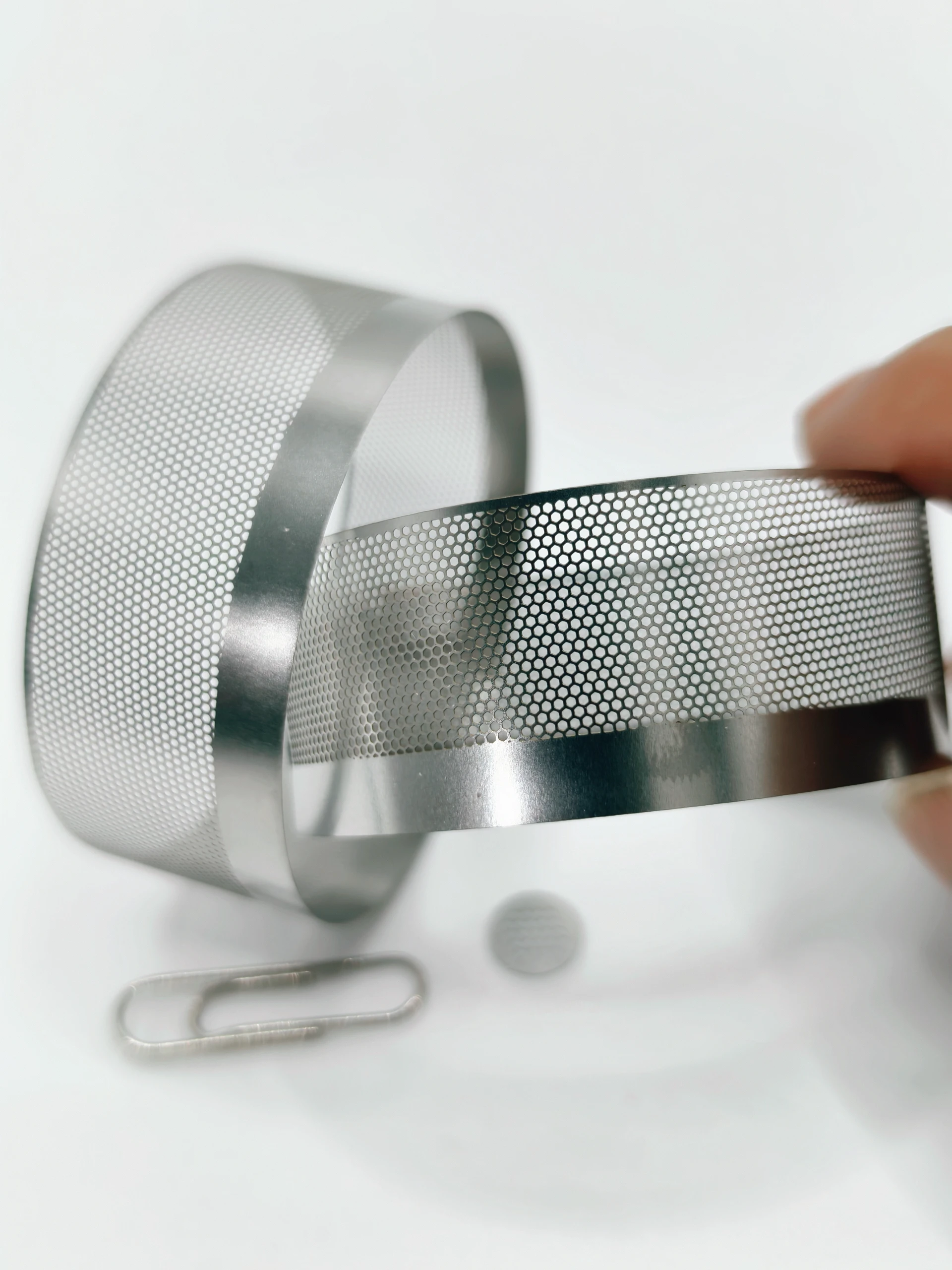
Implementation of laser-punching hybrids to achieve micron-level accuracy for technical filters.
Sustainable Alloys
Switching to low-carbon steel and recycled alloys to comply with Poland's green building codes.
Customization Speed
Reducing lead times for custom perforated patterns via cloud-integrated ordering systems.
Architectural Fusion
Blending structural safety with aesthetic design for urban renewal projects in Poland.

Industry Outlook

Based on search trend data, there is a growing query volume for "sustainable metal facades" and "high-flow perforated filters" in the Polish market. This indicates a transition from bulk procurement to value-engineered solutions where energy efficiency is paramount.

Over the next 3-5 years, the Polish metal industry will likely see a convergence of structural engineering and digital fabrication, leading to a surge in demand for highly specialized, non-standard perforated components for the renewable energy sector.

Localized Application Scenarios in Poland

Practical implementations of perforated metal solutions across various Polish sectors.

01. Automotive Production Lines (Silesia Region)

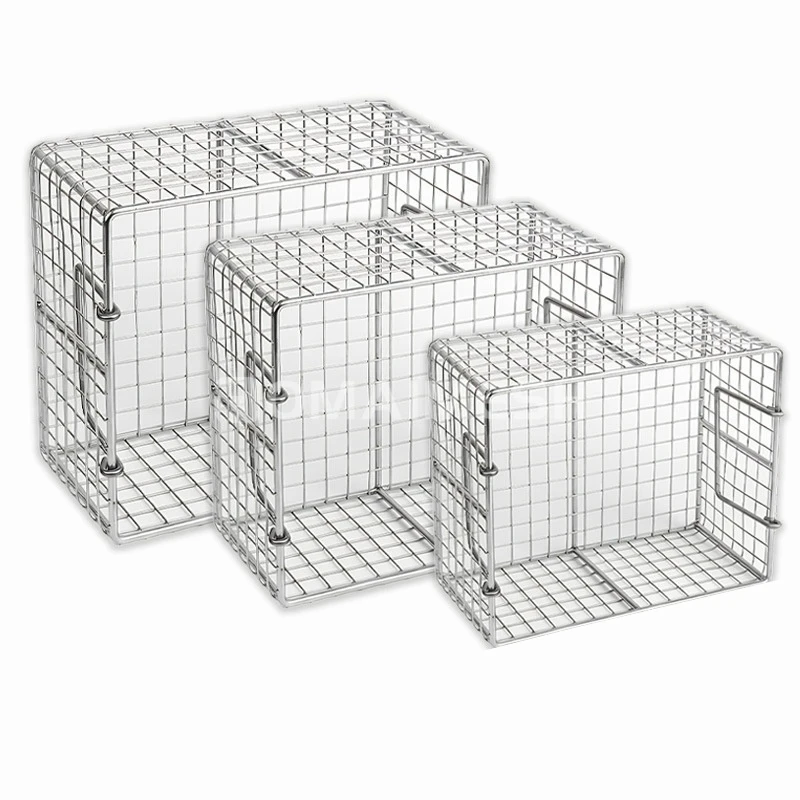
Utilization of high-strength punched metal panels for equipment guarding and safety barriers in automotive plants to ensure worker safety and machine ventilation.

02. Urban Infrastructure (Warsaw Metro & Transit)

Installation of corrosion-resistant perforated aluminium plate for ceiling baffles and ventilation grilles in public transport hubs for longevity and aesthetic appeal.

03. Food Processing Facilities (Greater Poland)

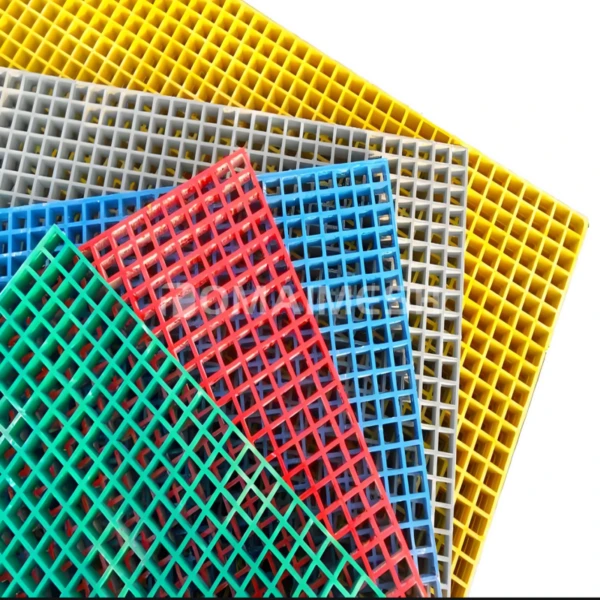
Applying stainless steel square perforated sheet for hygienic drainage systems and filtration screens that meet EU sanitary standards.

04. Industrial HVAC Systems (Krakow Tech Hub)

Implementation of slotted perforated metal for airflow optimization in data center cooling systems and industrial air filtration units.

05. Agricultural Machinery (Lublin Region)

Integration of heavy-duty perforated mesh metal for seed sorting and grain filtration equipment, optimized for the Polish agricultural landscape.

Brand Story

Global Development Journey of Anping Tomaite Wire Mesh Products Co., Ltd.

Foundational Excellence

Established in the heart of China's wire mesh capital, focusing on solving the core pain point of precision consistency in industrial perforations.

Technological Leap

Invested in advanced CNC turret punching technology to move beyond standard patterns into complex, engineering-led structural solutions.

European Expansion

Strategic entry into the EU market, specializing in tailoring metal products to the specific environmental and regulatory needs of Poland.

Quality Certification

Achieving international ISO and CE standards to ensure every panel delivered to Polish industrial sites meets global safety benchmarks.

Vision for Tomorrow

Leading the transition toward sustainable, low-carbon metal fabrication for a greener European industrial future.

Comprehensive Metal Portfolio for Poland

A full range of structural metal solutions designed for Polish industrial and architectural requirements.

Poland Market Common Questions

Expert answers to the most common technical queries regarding perforated metals in Poland.

How to choose the right perforated aluminium plate for Polish winters?

For the Polish climate, we recommend marine-grade aluminum alloys with a thick anodized layer or PVDF coating to prevent corrosion from road salt and high humidity.

What are the safety standards for punched metal panels in industrial guards?

All our panels are designed to comply with EN ISO 13857, ensuring the hole diameter and spacing prevent limb access to hazardous machinery parts.

Can slotted perforated metal be customized for specific airflow requirements?

Yes, we provide precise open-area percentage calculations to ensure your HVAC or filtration system meets the required CFM (cubic feet per minute) airflow.

Is square perforated sheet suitable for heavy-duty industrial flooring?

Depending on the thickness and material (e.g., galvanized steel), it is highly suitable. We recommend specific gauge thickness based on the expected load per square meter.

What is the lead time for custom perforated mesh metal shipments to Poland?

Standard sizes are typically dispatched within 7-14 days, while custom engineered orders generally take 21-30 days including logistics to major Polish ports.

Do you provide certification for the material purity of your aluminum plates?

Yes, every shipment is accompanied by a Material Test Report (MTR) confirming the alloy composition and mechanical properties according to international standards.

Request a Technical Consultation

Our engineers are ready to provide high-precision structural metal solutions tailored for your projects in Poland.

Contact Us Now

If you are interested in our products, you can choose to leave your information here, and we will be in touch with you shortly.