Comprehensive Guide to PU Screen Mesh for Industrial Filtration and Separation
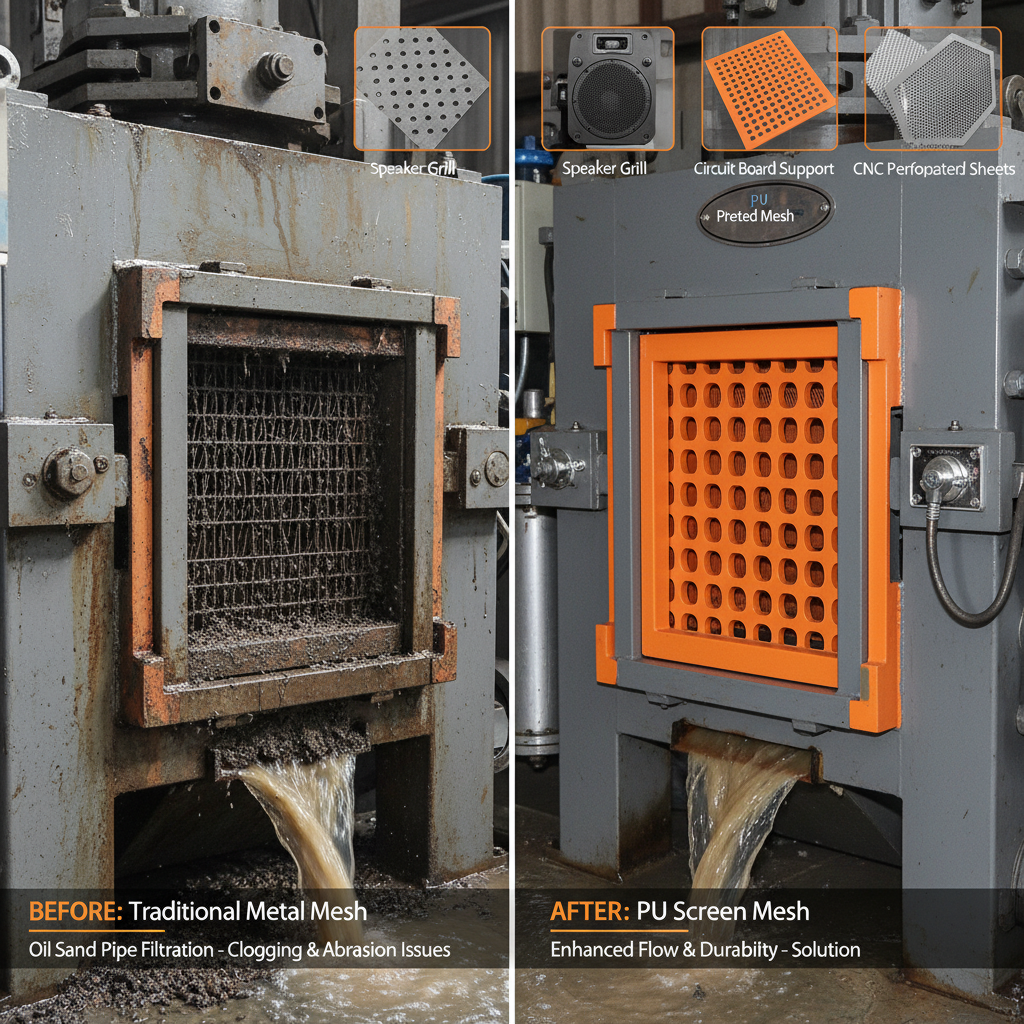
PU screen mesh, or polyurethane screen mesh, is a versatile material increasingly used in a wide range of industrial filtration and separation processes. Its unique properties make it a superior alternative to traditional metal mesh in many applications. This article will delve into the characteristics, benefits, applications, and considerations when choosing PU screen mesh for your specific needs. From mining to food processing, we’ll explore how this material optimizes efficiency and reduces operational costs. Choosing the right mesh is key to a successful operation, and we’ll guide you through the process. PU screen mesh is created from polyurethane, a highly durable and flexible polymer. Unlike metal meshes, PU mesh is known for its resistance to wear, abrasion, and corrosion. The manufacturing process involves precisely weaving or molding polyurethane strands to create an open grid structure.
Why Square Perforated Aluminum Sheet Still Holds the Crown in Industrial Settings Having spent some
2026-03-09
Understanding Polyurethane Screen Applications and Benefits for Industrial Filtration
In the realm of industrial filtration and separation, the polyurethane screen stands as a versatile and durable solution. These screens, manufactured by companies like Tomaifilter, offer significant advantages over traditional screening materials in a variety of applications. This article will delve into the specifics of polyurethane screens, exploring their construction, benefits, applications, and why they are becoming the preferred choice for many industries. We will examine how their unique properties contribute to increased efficiency, longevity, and cost savings. A polyurethane screen is a type of industrial screen constructed from a resilient and abrasion-resistant polyurethane material. Unlike traditional woven wire screens, polyurethane screens are typically cast or molded into a specific shape and aperture size. This manufacturing process allows for greater control over the screen's characteristics, resulting in improved performance and durability.