26 Mar 2026
In the realm of industrial filtration, achieving optimal separation and purity is paramount. Urethane screens have emerged as a critical component, offering a unique combination of durability, precision, and cost-effectiveness. This article delves into the world of urethane screens, exploring their applications, benefits, materials, and factors to consider when selecting the right screen for your specific needs. We will cover their importance in various industries and how Tomaifilter can provide tailored solutions.
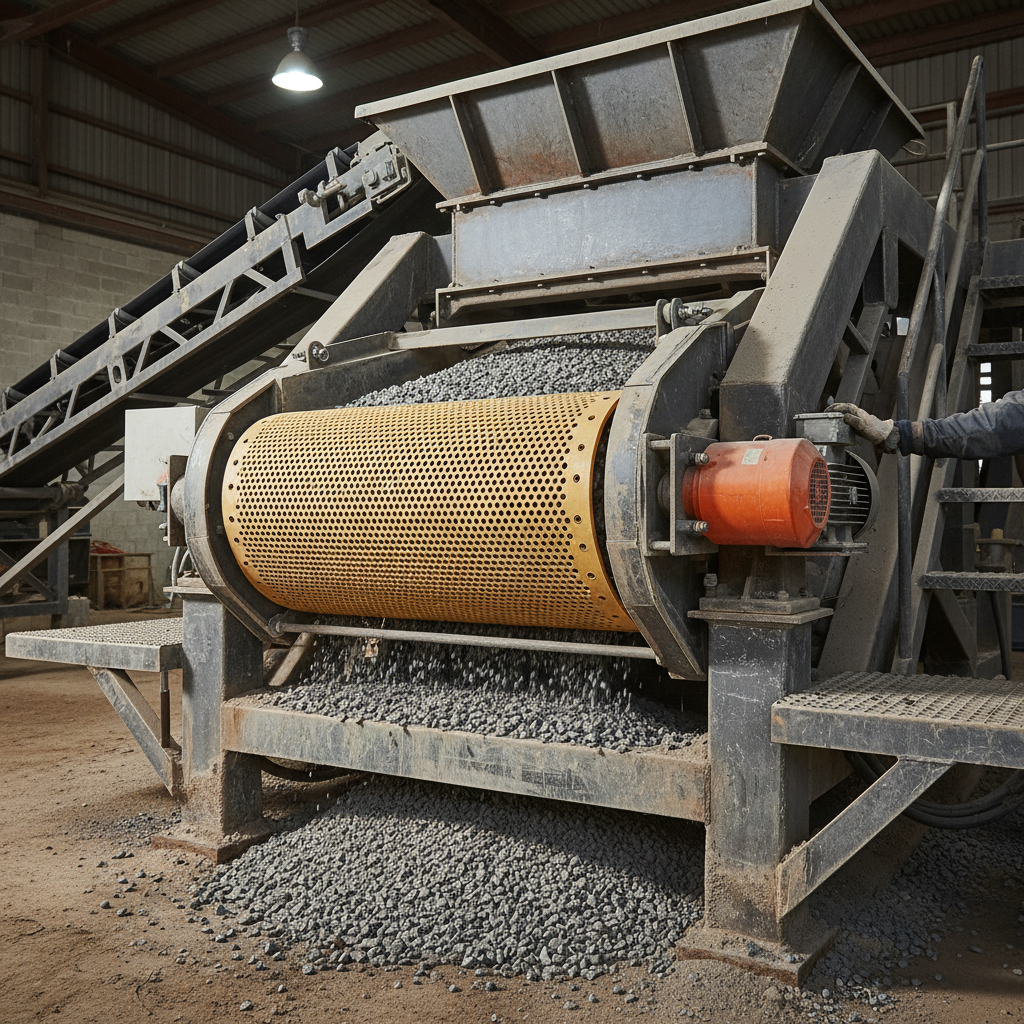
Urethane screens are precision-engineered filtration components constructed from polyurethane, a highly versatile elastomer. Unlike traditional woven wire screens, urethane screens are typically cast or molded to create openings of precise size and shape. This allows for consistent and accurate separation of materials. They’re renowned for their exceptional abrasion resistance, making them ideal for handling aggressive materials. Their flexibility also allows for easier installation and maintenance compared to rigid alternatives. These screens are designed to withstand high impact and continuous use, ensuring a long service life. Tomaifilter specializes in creating custom urethane screen solutions optimized for diverse industrial processes.
Key Benefits: Exceptional abrasion resistance, precise opening sizes, long service life, high throughput, and reduced downtime.
The versatility of urethane screens makes them essential in a wide range of industries. In the mining sector, they are used to classify and separate minerals, gravel, and other aggregates. The agriculture industry utilizes them for grading fruits, vegetables, and seeds. Furthermore, they play a critical role in recycling operations for separating plastics, glass, and metal. The food processing industry relies on urethane screens for ensuring product purity and consistency. Wastewater treatment plants employ them for removing debris and contaminants. And, the chemical industry uses them to filter and separate various compounds. Tomaifilter provides tailored urethane screen solutions for each of these diverse applications.
Key Application Areas:
• Mining & Aggregates
• Agriculture
• Recycling
• Food Processing
• Wastewater Treatment
While both urethane and wire mesh screens serve the purpose of separation, they possess distinct characteristics. Urethane screens, due to their molded construction, offer more precise aperture control and a smoother surface, reducing material build-up. They excel in handling abrasive materials where wire mesh would wear down quickly. Wire mesh, on the other hand, is generally less expensive upfront. However, its shorter lifespan and higher maintenance requirements often make urethane screens a more cost-effective long-term investment. Selecting the appropriate screen type depends on the specific application and material being processed. Tomaifilter can assist in this critical decision process.
Choosing the optimal urethane screen requires careful consideration of several factors. The particle size distribution of the material being processed is crucial. The type of material, whether it's abrasive or non-abrasive, dictates the required durometer (hardness) of the urethane. Also, consider the flow rate and the desired throughput. Finally, the screen's operating environment, including temperature and chemical exposure, should be assessed. Tomaifilter’s experienced engineers can guide you through this process and recommend the ideal urethane screen configuration.
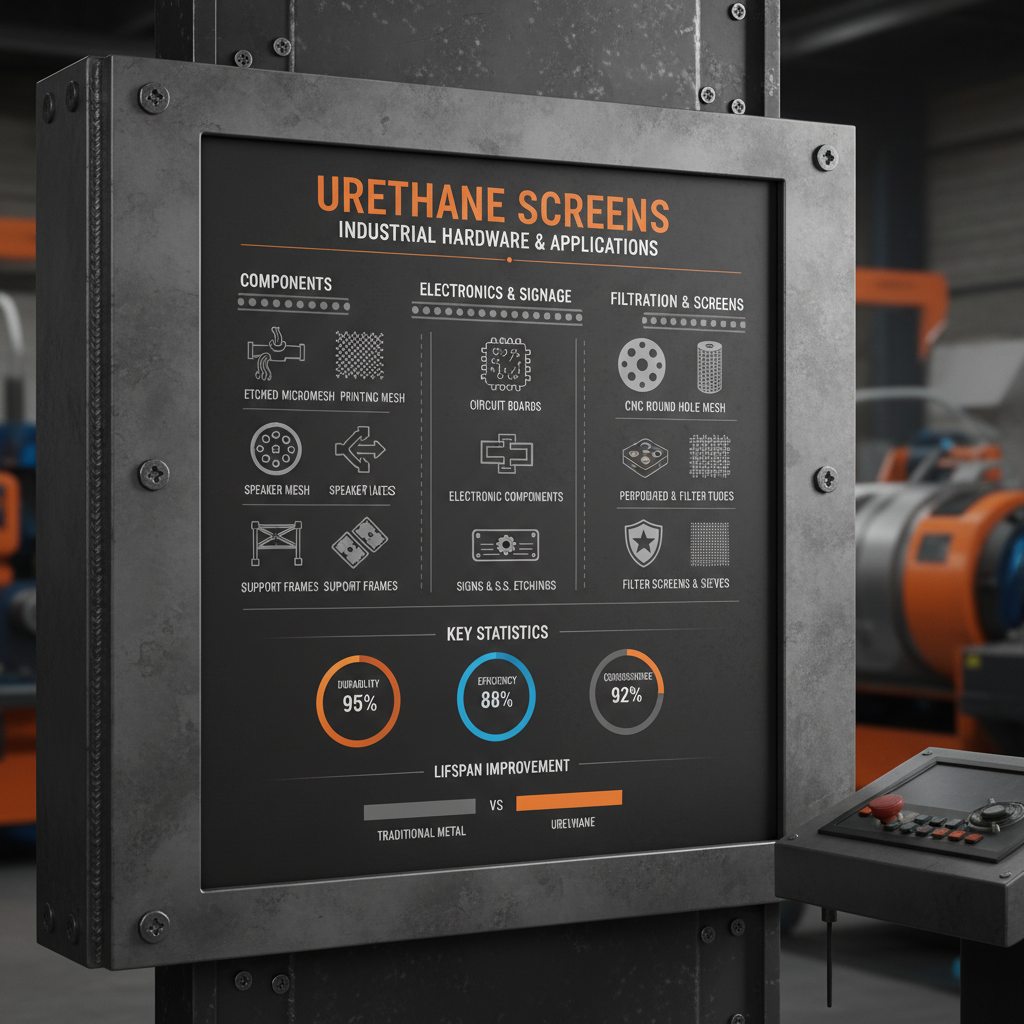
One of the key advantages of urethane screens is the ability to customize them to meet specific requirements. Tomaifilter offers a wide range of customization options, including aperture size, shape, and arrangement, as well as screen thickness and overall dimensions. We utilize advanced casting and molding techniques to ensure precision and consistency in every screen we produce. We can create screens for virtually any application, providing a tailored solution that optimizes your filtration process. Our commitment to quality and innovation ensures that our urethane screens deliver exceptional performance and long-term value.
Investing in high-quality urethane screens from a trusted partner like Tomaifilter is a strategic move that can significantly improve your operational efficiency, reduce downtime, and enhance product quality. Contact us today to discuss your specific filtration needs and discover how our custom solutions can benefit your business.
The optimal durometer depends on the abrasiveness of the material being screened. For highly abrasive materials like gravel or ore, a higher durometer (e.g., 95A) is recommended for increased wear resistance. For less abrasive materials, a lower durometer (e.g., 60A) may be sufficient, offering better flexibility and impact absorption. Tomaifilter’s engineers can help you determine the ideal durometer based on your specific application and material characteristics. Choosing the right durometer balances abrasion resistance, flexibility, and longevity.
Urethane screens are relatively easy to clean. Typically, a simple rinse with water and a mild detergent is sufficient. Avoid using harsh chemicals or abrasive cleaners, as these can damage the urethane material. For stubborn buildup, a soft brush can be used to gently dislodge debris. In some cases, a low-pressure water jet may be helpful, but avoid excessive pressure that could potentially distort the screen openings. Regular cleaning helps maintain optimal screening performance and extends the lifespan of the screen.
Urethane screens have a limited temperature resistance range. While they can handle moderately warm materials, prolonged exposure to high temperatures can cause the urethane to soften and deform. The maximum operating temperature typically ranges from -20°C to +80°C (-4°F to 176°F), though this can vary depending on the specific urethane formulation. Tomaifilter offers specialized high-temperature urethane formulations for applications involving hotter materials. It is crucial to specify the operating temperature when ordering to ensure the screen material is suitable for the intended use.
The lead time for custom urethane screens depends on the complexity of the design, the quantity ordered, and our current production schedule. Generally, standard orders can be completed within 2-4 weeks. More complex designs or larger quantities may require a longer lead time. Tomaifilter provides accurate lead time estimates upfront and strives to deliver orders promptly without compromising on quality. Contact our sales team for a specific quote and delivery timeline for your requirements.


Hit enter to search or ESC to close
