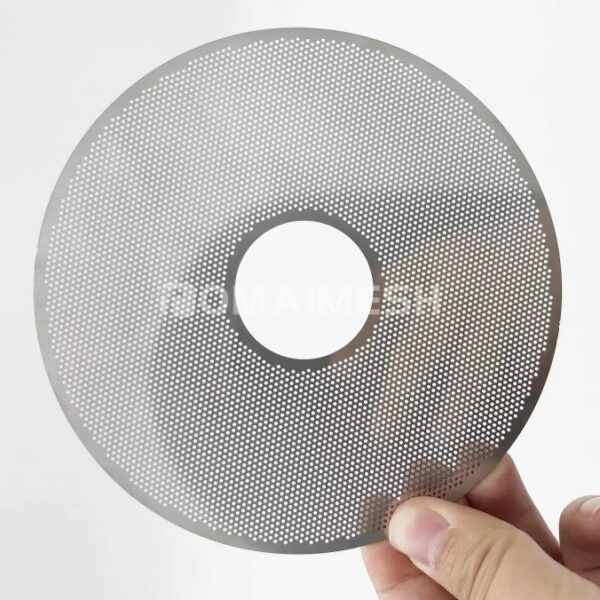
Advanced Engineering Solutions for punched metal panels in Hungary

High-precision structural metal fabrication tailored for the Hungarian architectural and industrial security sectors.

Advanced Engineering Solutions for punched metal panels in Hungary

Providing the Hungarian construction and safety industries with high-durability, precision-engineered metal components that meet rigorous EU structural standards.

Industrial Metal Fabrication Landscape in Hungary

Analyzing the current demand and application of perforated structural metals in the Central European market.

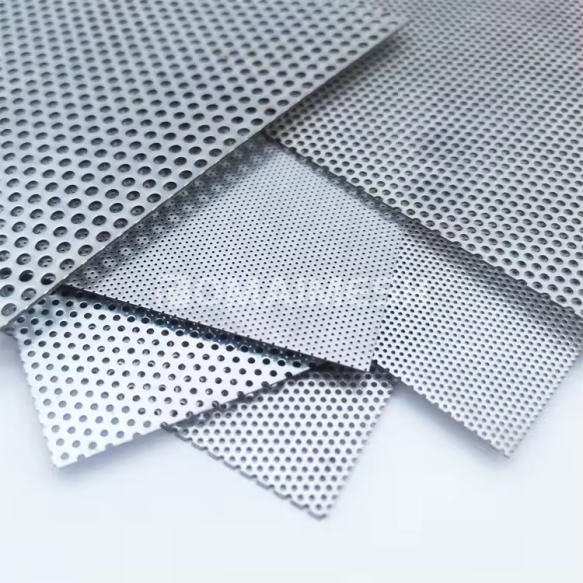
Hungary's manufacturing sector, particularly in the automotive and industrial hubs around Budapest and Győr, has seen a surge in demand for perforated mesh metal. The regional focus on lean manufacturing and high-efficiency plant ventilation has made precision punching a critical requirement for facility infrastructure.

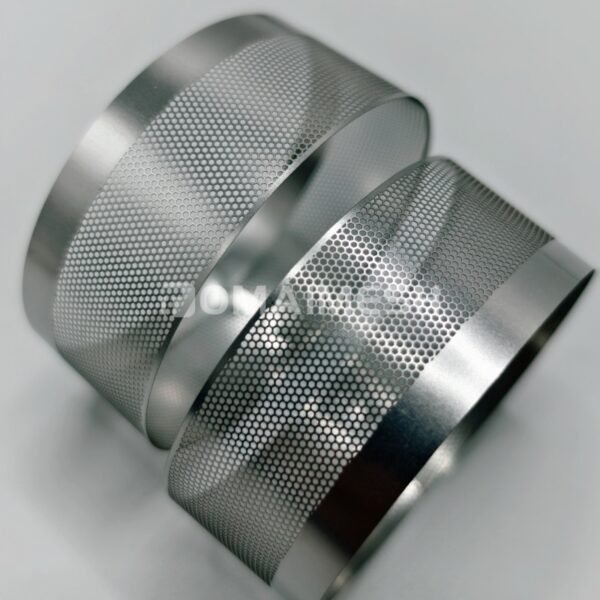
Environmental factors in Hungary, including seasonal temperature fluctuations, necessitate the use of corrosion-resistant materials. Consequently, the adoption of perforated aluminium plate has grown significantly, offering an optimal balance between weight reduction and longevity for outdoor safety barriers and building facades.

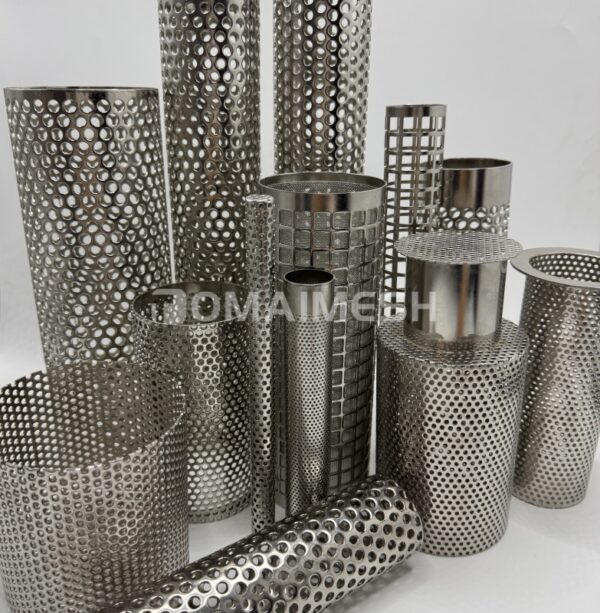
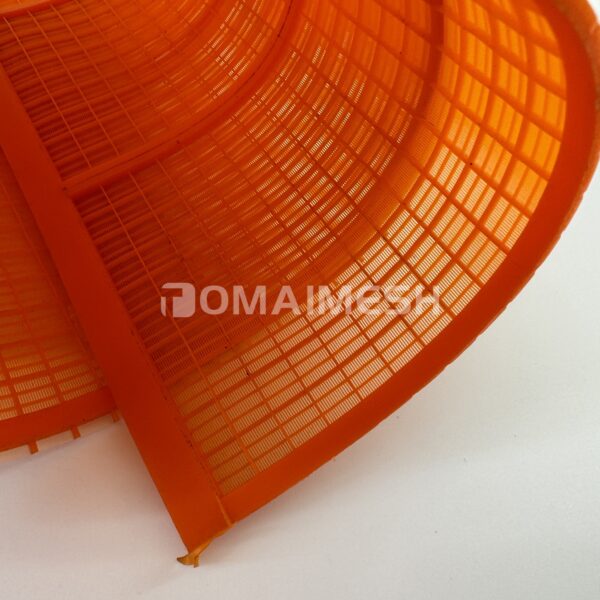
From a regulatory perspective, the alignment with European Union safety directives means that structural metal products must now exhibit higher tolerances. This has shifted the local market away from generic sheets toward specialized slotted perforated metal for precision drainage and ventilation systems in industrial complexes.
Evolution of Perforated Metal Technology

The journey from traditional mechanical punching to AI-driven precision fabrication.

Market Development History

In the late 20th century, the Hungarian metal industry relied heavily on manual mechanical presses, producing basic square perforated sheet with limited hole pattern flexibility and inconsistent edge quality.

Between 2005 and 2015, the introduction of CNC (Computer Numerical Control) technology revolutionized the sector. This era saw the transition toward high-speed turret punching, allowing for complex geometries and the precise integration of slots and varied diameters within a single panel.

From 2016 to the present, the integration of laser-cutting hybrids and automated finishing processes has enabled the production of ultra-thin, high-strength structural components that meet the aesthetic and functional demands of modern Hungarian architecture.

Future Development Trends

Smart Material Integration

The shift toward "intelligent" metals that respond to thermal changes, integrating perforated patterns that optimize airflow automatically based on ambient temperature.

Sustainability and Circularity

Increased demand for 100% recycled aluminium and steel, reducing the carbon footprint of large-scale construction projects across the EU.

Additive Manufacturing Hybridization

The convergence of 3D printing and traditional punching to create complex internal lattices within structural metal walls for enhanced acoustics and strength.

Future Trends & Strategic Outlook

Predicting the next 5 years of structural metal evolution in the Hungarian market.

Zero-Waste Fabrication
Implementing nesting algorithms to minimize scrap metal during the punching of complex patterns.
Architectural Bio-mimicry
Using parametric design to create perforated patterns that mimic natural ventilation systems.
High-Performance Coatings
Developing nano-coatings for metal panels to prevent corrosion in high-humidity industrial zones.
AI-Driven Customization
Automatic generation of hole patterns based on airflow and acoustic simulation data.

Industry Outlook

Based on Google search trends for structural metal in the EU, there is a growing shift toward customized aesthetic solutions. Hungarian architects are increasingly searching for integrated metal facade systems that combine security with visual transparency.

We anticipate a 15% annual growth in the demand for lightweight, high-strength perforated alloys as Hungary continues to expand its high-tech industrial parks and sustainable urban infrastructure.

Localized Application Scenarios in Hungary

Practical deployments of structural metal products across various Hungarian sectors.

01. Industrial HVAC Filtration

Utilization of precision perforated sheets in Budapest's chemical plants to provide optimal airflow while maintaining high-security particulate filtration.

02. Automotive Plant Safety Screens

Installation of heavy-duty metal panels in Győr's automotive assembly lines to separate robotic zones from human walkways without blocking visibility.

03. Modern Architectural Facades

Implementing decorative aluminium panels on commercial buildings in the capital to provide solar shading and a contemporary aesthetic.

04. Agricultural Grain Drying Systems

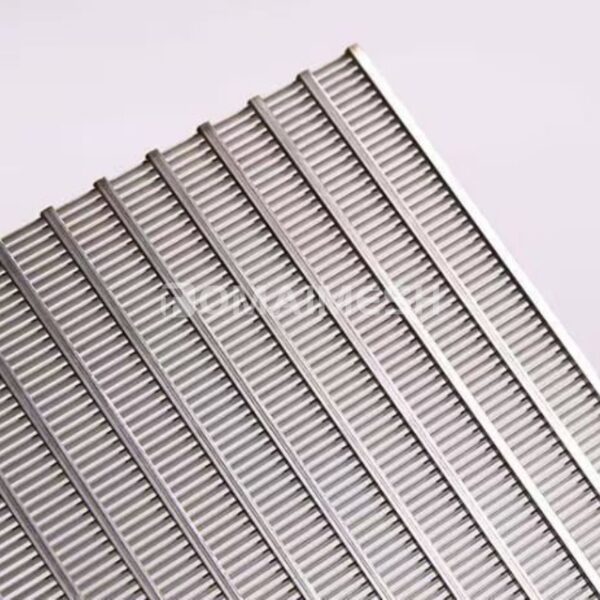
Using corrosion-resistant slotted metal for ventilation in Hungary's large-scale agricultural storage facilities in the Great Plain region.

05. Urban Public Security Infrastructure

Deploying high-strength perforated barriers for crowd control and safety in public transport hubs and plazas.

Brand Story

Global Development History of Anping Tongmai Wire Mesh Products Co., Ltd.

Foundational Excellence

Established in the heart of the wire mesh industry, we began with a commitment to solving the most basic problems of structural durability and material purity.

Technological Leap

We invested heavily in CNC tooling, transitioning from manual labor to automated precision, ensuring every hole and slot meets micron-level accuracy.

Global Expansion

Expanding into the European market, we tailored our products to meet EU REACH and RoHS standards, becoming a trusted partner for Hungarian engineers.

Innovation Leadership

Developing a wide array of perforated alloys and specialized coatings to solve the pain points of industrial corrosion and structural fatigue.

Future Vision

Aiming to lead the sustainable metal fabrication movement by integrating green energy and zero-waste manufacturing processes globally.

Complete Structural Metal Portfolio for Hungary

A comprehensive range of precision-punched and perforated solutions for every industrial need.

Common Questions Regarding Metal Fabrication in Hungary

Expert answers to the most frequent technical queries from our regional clients.

How to choose the right perforated aluminium plate for outdoor facades in Budapest?

For Budapest's climate, we recommend marine-grade aluminium with an anodized or powder-coated finish to prevent oxidation and ensure long-term aesthetic appeal.

What are the load-bearing advantages of using square perforated sheet in flooring?

The square pattern provides a balanced distribution of stress, making it ideal for industrial walkways where slip resistance and structural rigidity are paramount.

Can slotted perforated metal be customized for specific airflow requirements?

Yes, we can adjust the slot width, length, and spacing (pitch) to meet exact CFM (Cubic Feet per Minute) airflow calculations for HVAC systems.

What is the difference between perforated mesh metal and expanded metal for security?

Perforated mesh is punched from a solid sheet, providing cleaner edges and more precise hole sizing, which is generally superior for high-security architectural applications.

Are punched metal panels compliant with EU safety standards?

All our products are manufactured to adhere to ISO and EU structural standards, ensuring safety and durability for use in Hungary and across Europe.

What lead times should I expect for custom orders shipped to Hungary?

Depending on the complexity of the pattern and material volume, standard custom orders typically take 2-4 weeks for production and logistics.

Ready to Start Your Project?

Our engineering team is ready to support your structural metal needs in Hungary. Contact us today for a technical consultation.

Contact Us Now

If you are interested in our products, you can choose to leave your information here, and we will be in touch with you shortly.