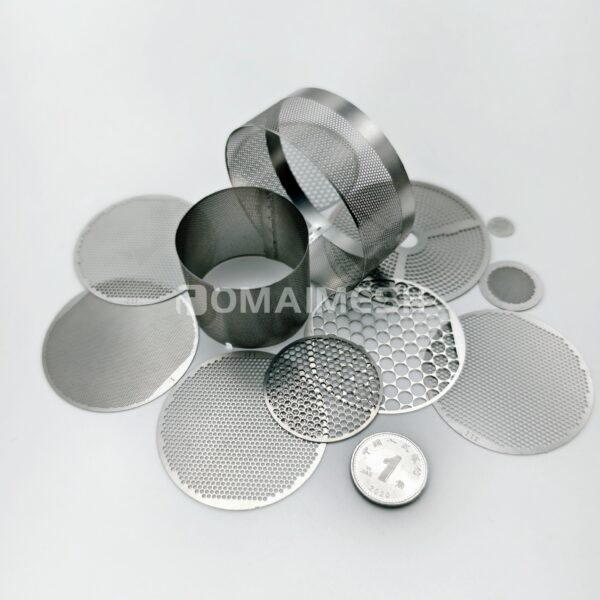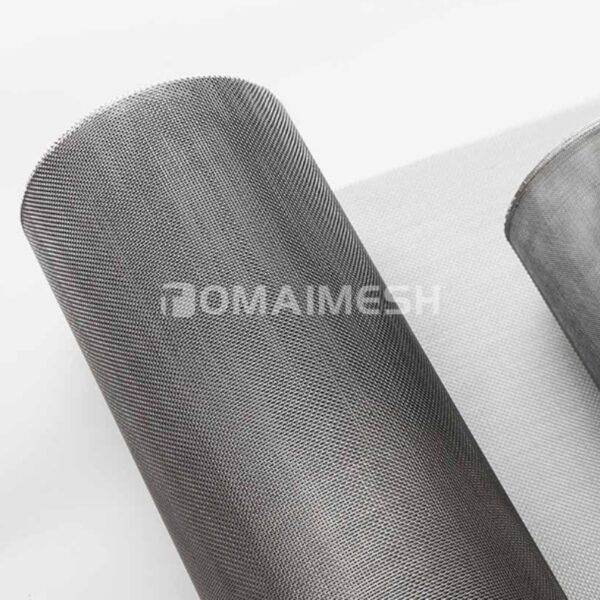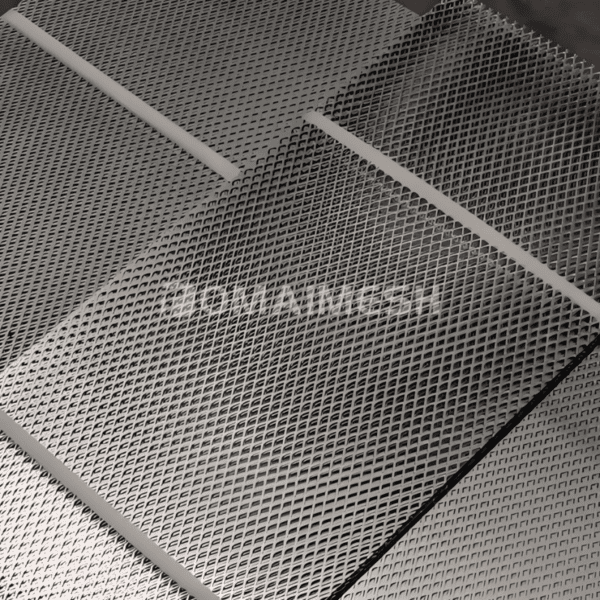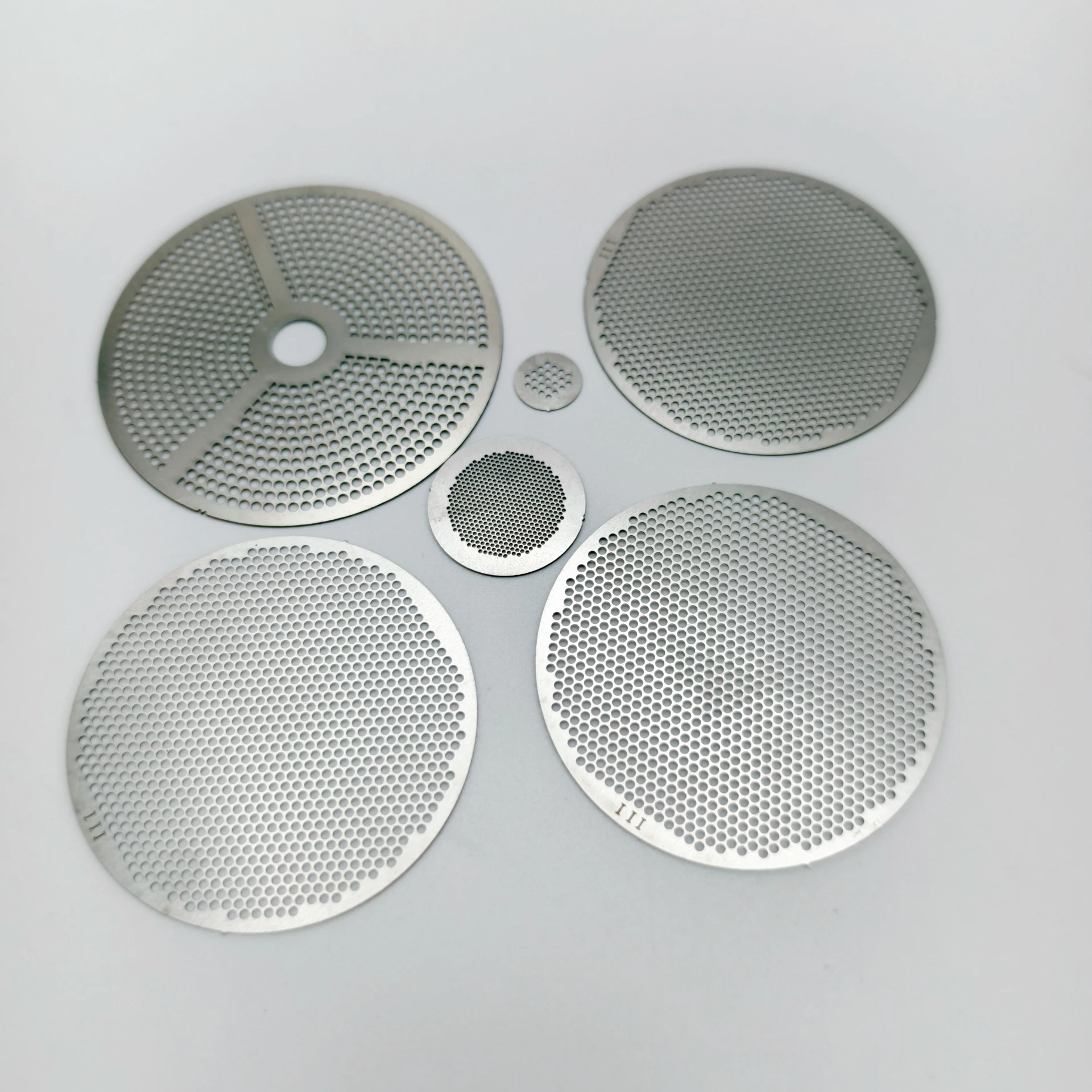
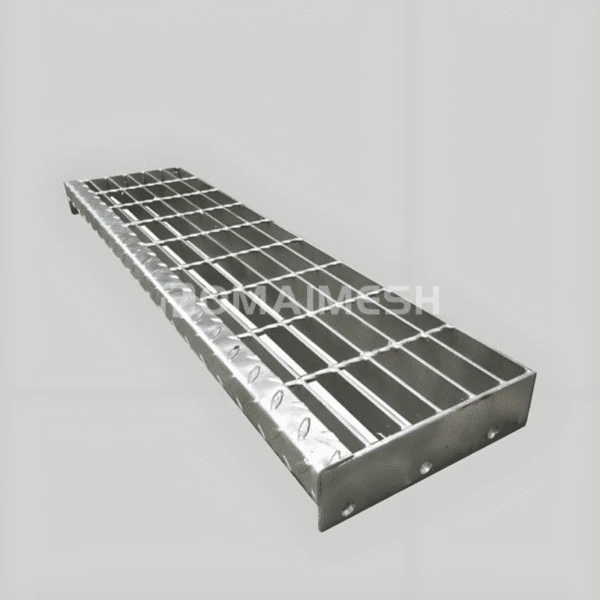
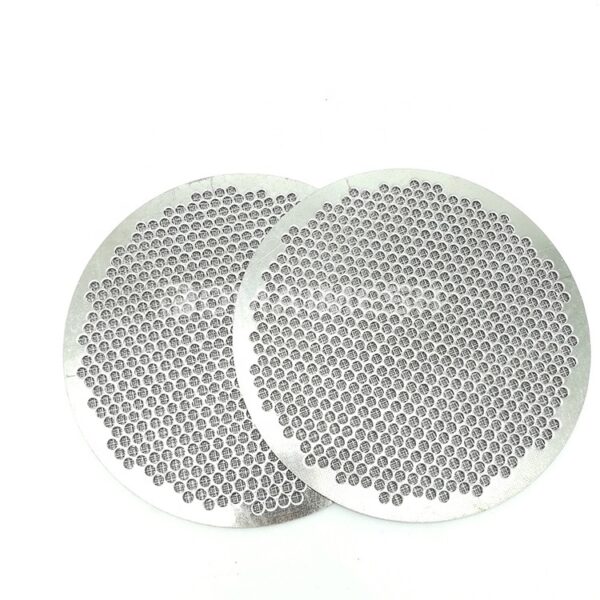
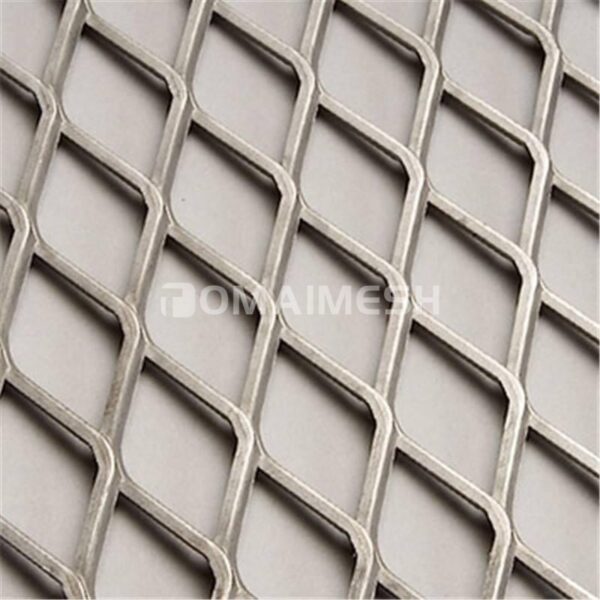
In Chile, the structural metal industry is heavily driven by the massive copper mining operations in the north and the growing urban infrastructure in Santiago. The demand for perforated mesh metal has surged as facilities require advanced ventilation and filtration systems that can withstand extreme temperature fluctuations between the Atacama Desert and the Andean highlands.
The coastal geography of Chile introduces a severe corrosive environment due to high salinity. This has shifted the market preference toward perforated aluminium plate and stainless steel options, which offer superior oxidation resistance compared to traditional carbon steel, ensuring longer life cycles for architectural facades and industrial screens.
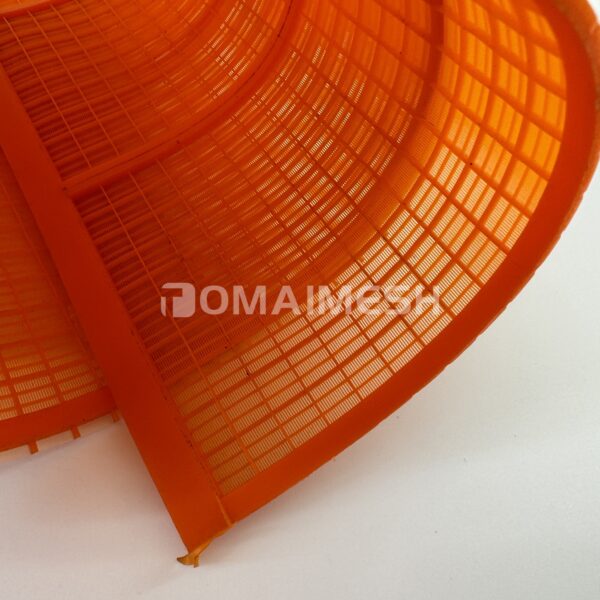
Currently, the industry is transitioning from manual fabrication to CNC-driven precision. Chilean engineers are increasingly specifying slotted perforated metal for specialized drainage and structural reinforcement in seismic-resistant building designs, moving away from generic mesh to highly calculated geometry.