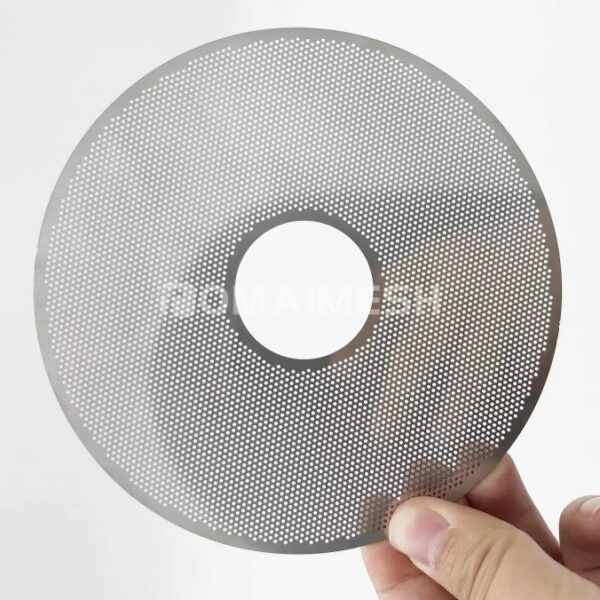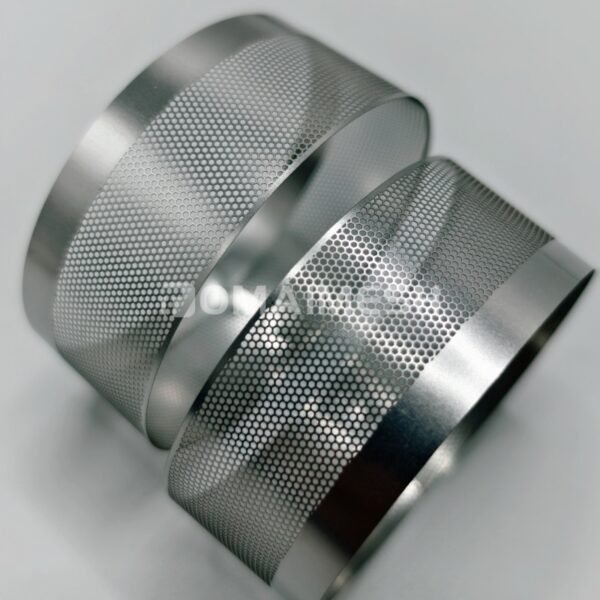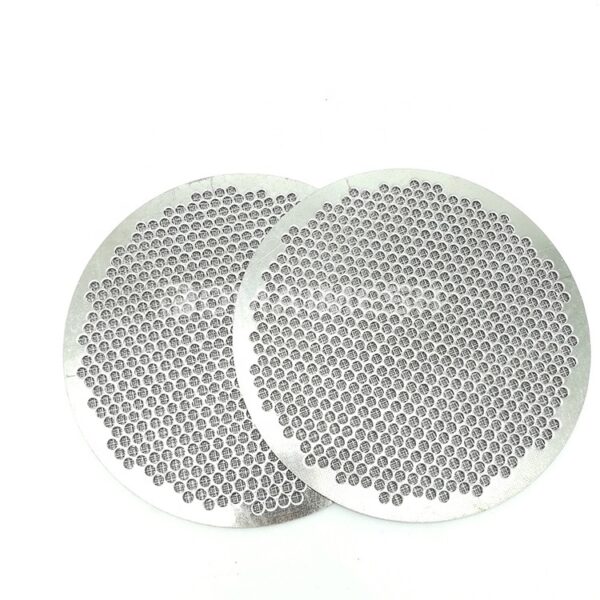
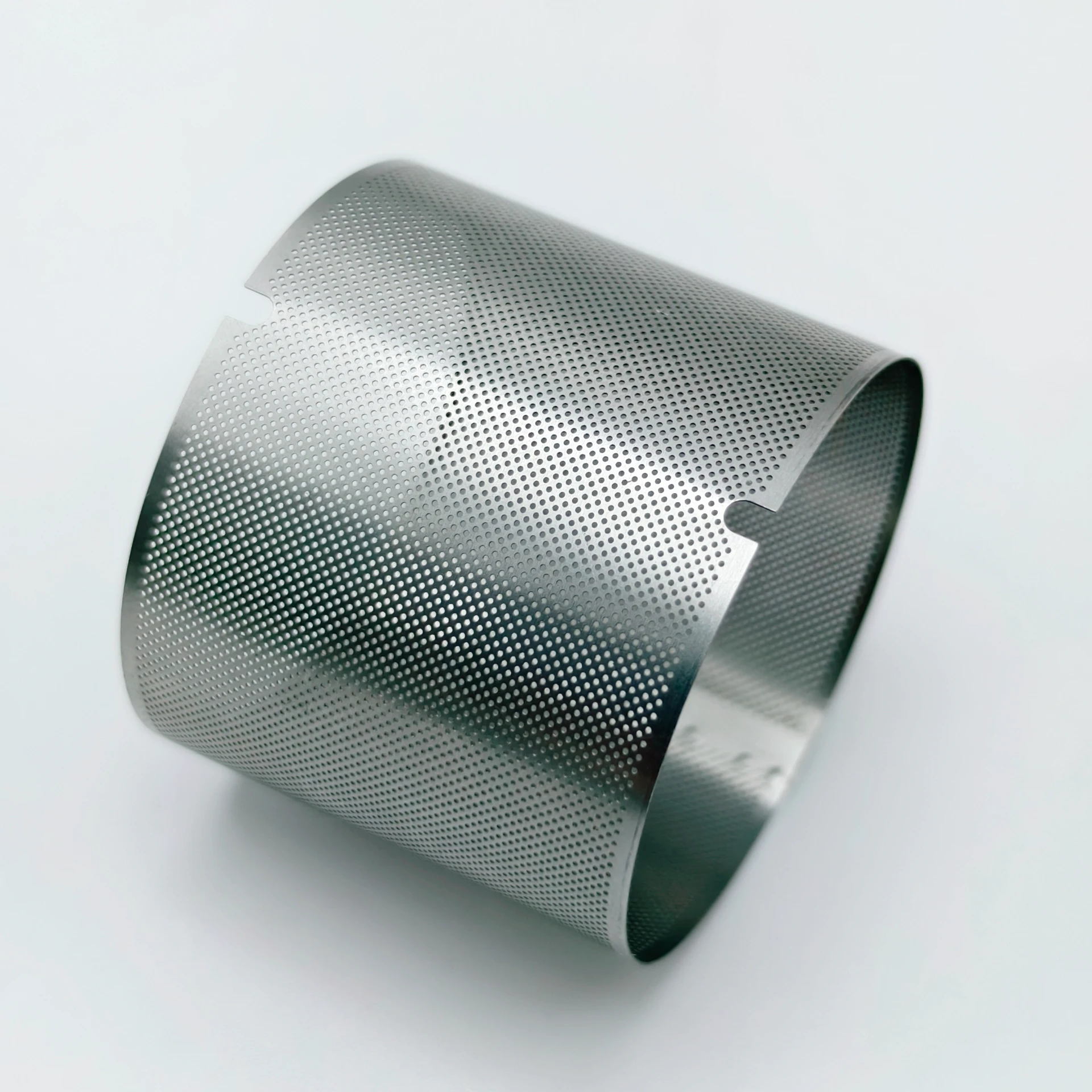
In Libya, the structural metal industry is heavily influenced by the coastal salinity of the Mediterranean and the extreme heat of the Sahara. There is a growing demand for perforated aluminium plate due to its natural oxide layer which resists the aggressive salty air in cities like Tripoli and Benghazi.
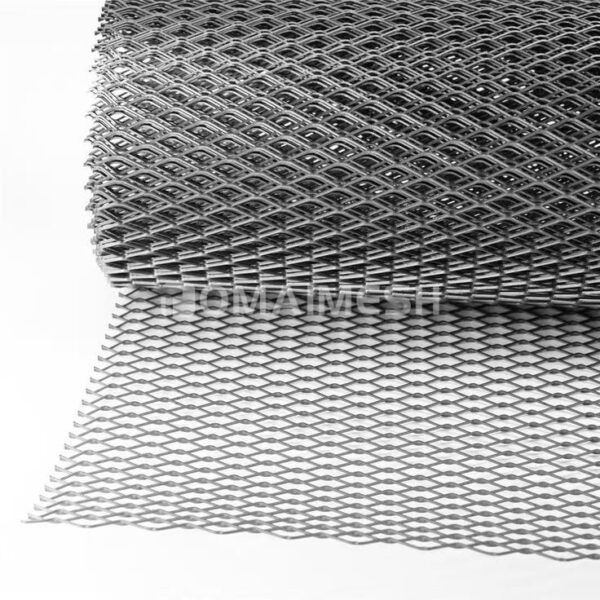
Many local projects currently rely on imported perforated mesh metal for filtration and security. However, the transition from basic manual punching to CNC-driven precision is critical for meeting the modern engineering standards required by the energy sector.
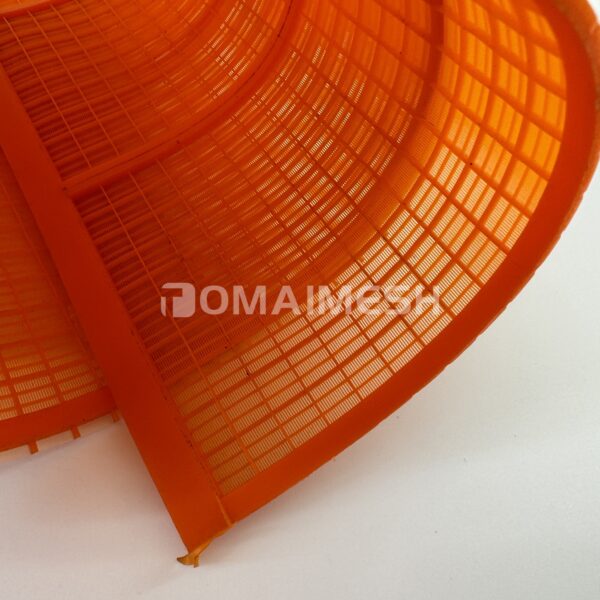
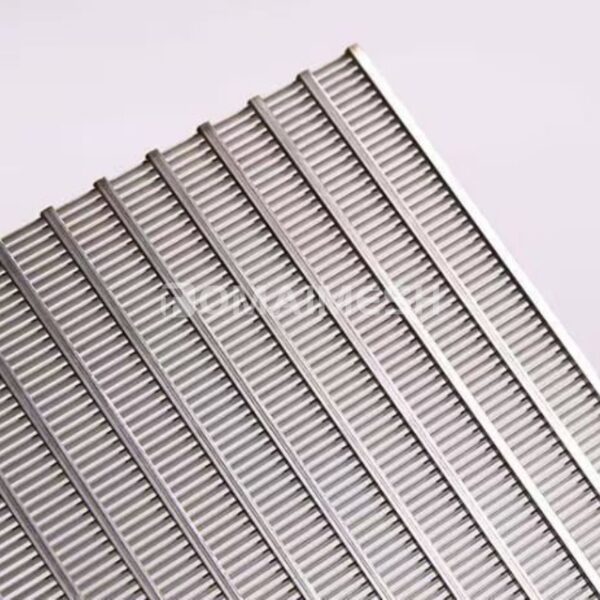
The market is seeing a shift towards specialized slotted perforated metal, particularly for drainage and ventilation systems in industrial plants where airflow optimization is essential to prevent equipment overheating in 40°C+ temperatures.