In the Netherlands, the structural metal industry is heavily influenced by the country's unique geography. With significant portions of land below sea level and a high-salinity coastal atmosphere, the demand for corrosion-resistant perforated aluminium plate has surged. Dutch engineers prioritize materials that offer long-term durability against oxidation while maintaining lightweight properties for floating structures and reclaimed land projects.
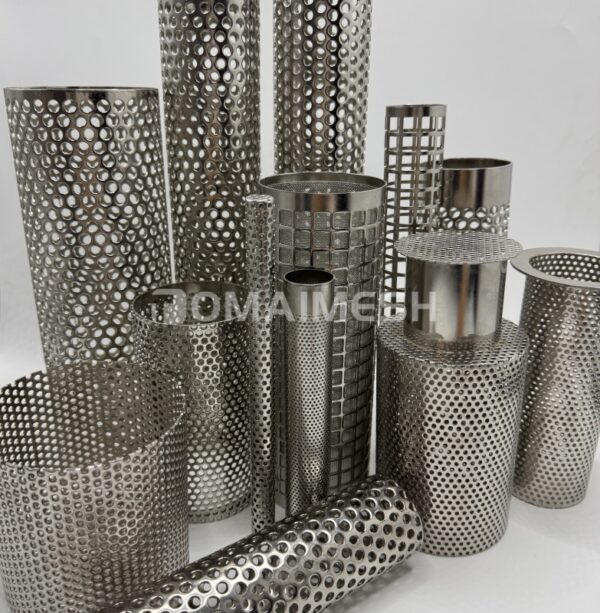
The Dutch market is characterized by a strong commitment to "Circular Economy" principles. This has shifted the demand toward high-recyclability perforated mesh metal, where the focus is not just on the initial installation but on the end-of-life recovery of the metal components. Precision in hole patterns and material thickness is critical to meet the strict Eurocode standards applied across the EU.
Currently, the industry is seeing a transition toward "Smart Facades." The integration of slotted perforated metal is becoming common in Rotterdam and Amsterdam's urban redevelopment, where these panels serve dual purposes: providing security and regulating natural light and ventilation in dense city centers.