
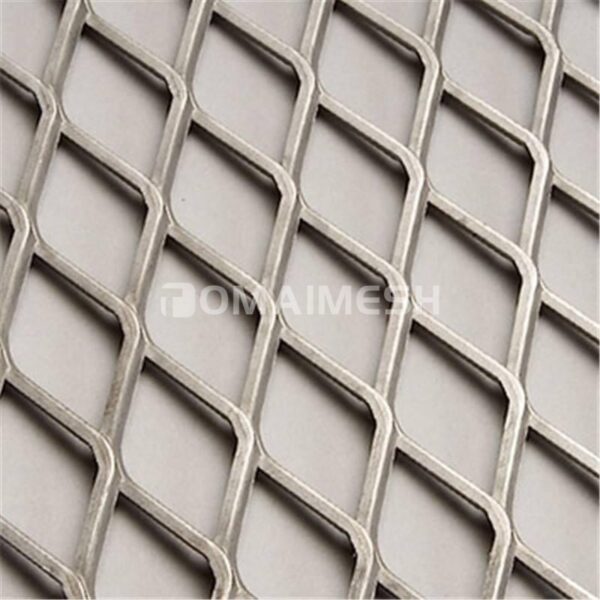
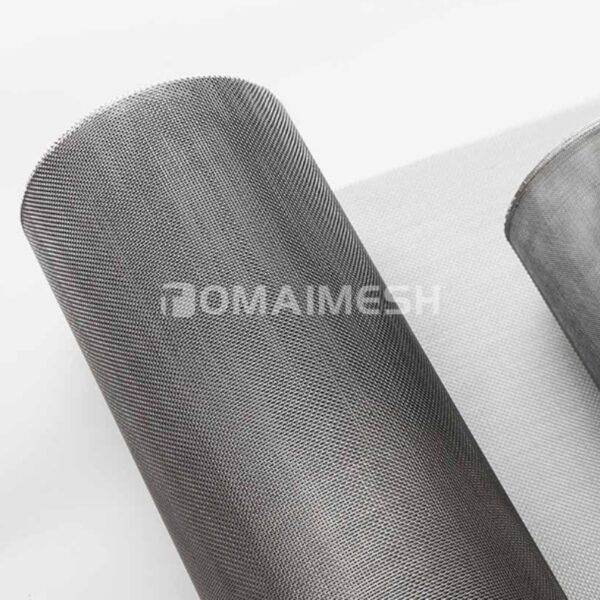
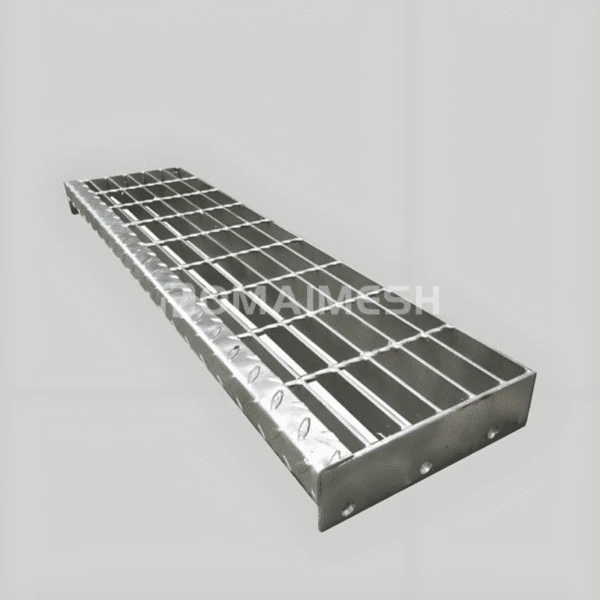
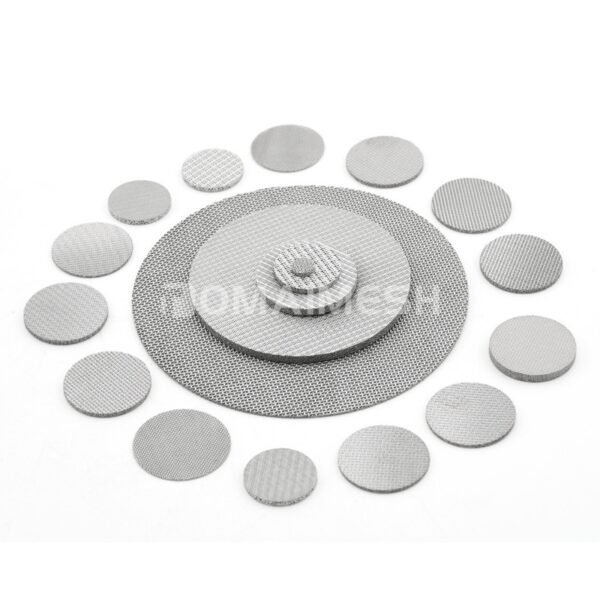
High-Precision punched metal panels Solutions for Japan's Industrial Architecture

Integrating Japanese precision standards with advanced structural metal fabrication to deliver superior durability and aesthetic excellence for urban infrastructure.

High-Precision punched metal panels Solutions for Japan's Industrial Architecture

Providing cutting-edge perforated metal engineering tailored for Japan's rigorous safety codes and architectural demands, specializing in high-strength structural components.

Market Dynamics of Perforated Metals in Japan

Analyzing the intersection of seismic requirements and industrial aesthetics in the Japanese metal sector.

Japan's manufacturing landscape for structural metals is characterized by an uncompromising commitment to quality and a critical need for seismic resilience. The demand for perforated mesh metal is driven by the necessity for materials that offer both lightweight properties and extreme structural integrity, essential for the high-density urban environments of Tokyo and Osaka.

Environmental factors, including high humidity and coastal salt spray, necessitate the widespread adoption of perforated aluminium plate. The Japanese market prioritizes corrosion resistance and precise tolerances, moving away from generic fabrication toward specialized, engineered metal solutions that meet JAS (Japanese Agricultural Standards) and JIS (Japanese Industrial Standards).

Economically, the industry is transitioning toward "Smart Fabrication." The integration of automated punching systems allows for the production of complex slotted perforated metal designs that serve dual purposes: enhancing ventilation in industrial facilities while maintaining strict security and safety barriers.
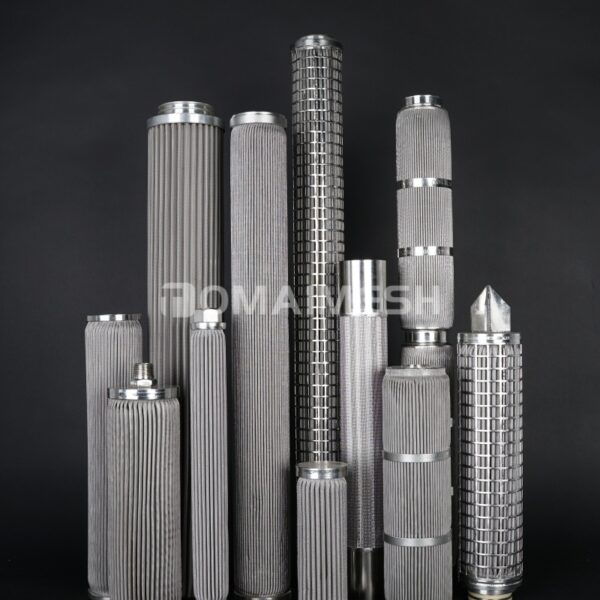
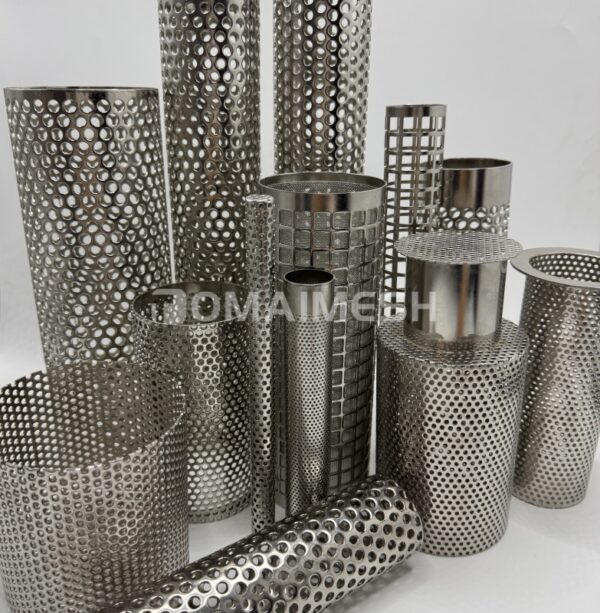
Evolution of Structural Metal Perforation in Japan

From traditional manual punching to AI-driven precision engineering.

Market Development History

In the post-war reconstruction era (1950s-1970s), the Japanese metal industry relied on heavy-duty manual punching, focusing on basic square perforated sheet for simple industrial filtration and ventilation.

The 1980s and 1990s marked a shift toward CNC (Computer Numerical Control) technology. This era saw the rise of customized architectural facades where perforated panels became a design element, blending functionality with the "Zen" aesthetic of minimalist Japanese architecture.

From 2010 to the present, the industry has embraced Industry 4.0. Laser-punching hybridization has enabled the creation of ultra-precise micro-perforations, allowing for sophisticated light control and acoustic management in modern Japanese skyscrapers.

Future Development Trends

Sustainable Metallurgy

Increased utilization of recycled high-grade alloys to meet Japan's 2050 carbon neutrality goals, focusing on low-emission aluminum smelting.

BIM-Integrated Fabrication

Direct synchronization between Building Information Modeling (BIM) and punching machines to ensure zero-error installation in complex structural projects.

Nano-Coating Integration

Applying hydrophobic and anti-pollution coatings to perforated surfaces to reduce maintenance costs in smog-prone urban industrial zones.

Industry Trends and Future Outlook

Predicting the trajectory of architectural metal fabrication through 2028.

Seismic-Adaptive Design
Developing perforated panels with flexible mounting systems to absorb energy during seismic events, a critical requirement for Japan.
Light-Weighting Alloys
Shift toward advanced magnesium and aluminum alloys to reduce dead load in high-rise architectural structures.
AI-Optimized Porosity
Using algorithms to determine the optimal hole pattern for maximum airflow and acoustic absorption in industrial plants.
Circular Economy Integration
Closed-loop recycling where old perforated panels are re-smelted into new high-performance metal sheets.

Industry Outlook

Based on Google search trends in the Asia-Pacific region, there is a surging interest in "sustainable architectural skins." This suggests that the next 3-5 years will see a pivot toward panels that combine solar-shading capabilities with high-durability metal finishes.

Furthermore, the integration of IoT sensors within perforated structural elements is expected to emerge, allowing Japanese facility managers to monitor structural stress and air quality in real-time through the metal mesh framework.

Localized Applications in Japan

Real-world implementations of precision perforated metals across Japanese industries.

1. Tokyo Metro Ventilation Systems

Implementation of high-grade slotted perforated metal for subway ventilation grates, ensuring maximum airflow while preventing debris entry in high-traffic urban zones.

2. Osaka Coastal Industrial Facades

Utilization of anodized perforated aluminium plate for chemical plant exterior cladding to resist salt-air corrosion while providing necessary equipment ventilation.

3. Nagoya Automotive Assembly Lines

Application of square perforated sheet for precision safety guards and filtration screens in robotic welding cells to ensure worker safety.

4. Kyoto Traditional-Modern Fusion Architecture

Custom punched metal panels used as privacy screens in boutique hotels, mimicking traditional bamboo lattices with modern metal longevity.

5. Hokkaido Cold-Storage Logistics Hubs

Installation of heavy-duty perforated mesh metal for reinforced shelving and airflow dividers in cryogenic storage facilities.

Brand Story

Global Development Journey of Anping Tongmai Wire Mesh Products Co., Ltd.

Foundational Excellence

Established in the heart of China's wire mesh capital, we began with a mission to solve the critical need for high-precision filtration and structural metal components.

Technological Pivot

Investing in CNC and laser-punching technology, we transitioned from standard mesh to complex, engineered perforated solutions for the global architectural market.

Global Expansion

Expanding our footprint into Asia, specifically Japan, we adapted our production to meet the world's strictest tolerances and quality control certifications.

Sustainability Commitment

Implementing green manufacturing processes to reduce waste and energy consumption, aligning with international ESG standards.

Future Vision

Aiming to be the premier partner for "Smart Metal" solutions, integrating materiality with digital precision for the next generation of urban infrastructure.

Complete Product Portfolio for the Japanese Market

A comprehensive range of structural and architectural perforated metals designed for JIS compliance.

Common Inquiries Regarding Metal Perforation in Japan

Expert answers to technical questions concerning perforated metal application and standards.

How does perforated aluminium plate handle coastal corrosion in Japan?

We utilize marine-grade alloys combined with high-thickness anodizing or PVDF coatings, which create a protective oxide layer that prevents saltwater penetration, making it ideal for coastal cities like Yokohama.

Can punched metal panels be customized for specific seismic vibration frequencies?

Yes, by adjusting the hole diameter and pitch (porosity), we can modify the panel's stiffness and mass, allowing them to be tuned to specific architectural resonance requirements for earthquake safety.

What is the difference between slotted perforated metal and standard mesh for airflow?

Slotted designs provide unidirectional airflow and higher structural rigidity along the long axis, whereas standard mesh offers omnidirectional permeability, making slots better for linear ventilation grilles.

Do you provide square perforated sheet with JIS certification for industrial use?

All our structural metal products are manufactured to meet or exceed JIS (Japanese Industrial Standards) for material composition, tensile strength, and dimensional accuracy.

Which perforated mesh metal is best for acoustic dampening in Japanese offices?

A combination of medium-opacity perforated panels backed by acoustic mineral wool is recommended. The perforations allow sound waves to enter the absorbent core, effectively reducing echo in open-plan offices.

What lead times should be expected for custom architectural punched panels in Japan?

Depending on complexity and coating requirements, typical lead times range from 3 to 6 weeks, including rigorous quality inspection and secure international logistics to Japanese ports.

Request a Technical Consultation

Partner with the experts in structural metal fabrication to elevate your project in Japan. We provide precision engineering tailored to local standards.

Contact Us Now

If you are interested in our products, you can choose to leave your information here, and we will be in touch with you shortly.