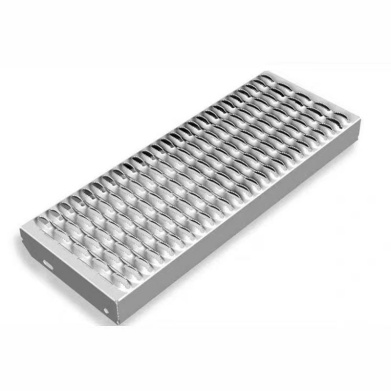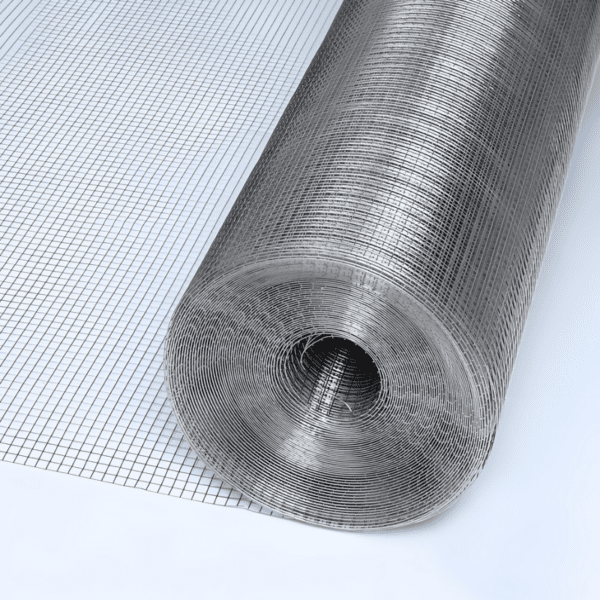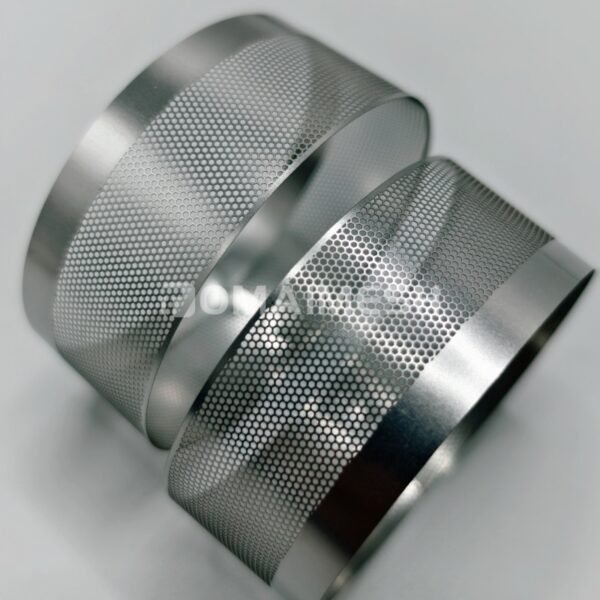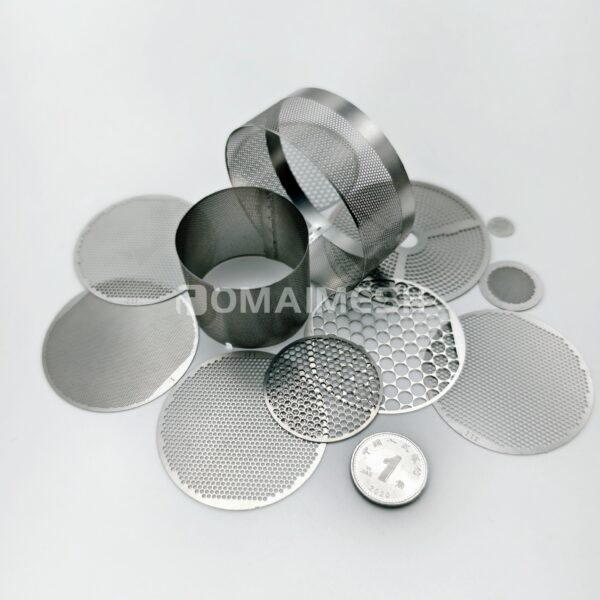
The Philippines' unique geography as an archipelago, combined with high humidity and saline air, creates a severe corrosive environment. This has led to an urgent demand for perforated aluminium plate which offers natural oxidation resistance compared to traditional carbon steel, ensuring long-term structural integrity for coastal developments in Manila and Cebu.
Current infrastructure projects, particularly in the "Build Better More" initiative, have shifted the market toward standardized square perforated sheet designs. These are extensively used for facade cladding and industrial flooring where precise load-bearing and airflow calculations are critical for energy efficiency in tropical heat.
Despite the growth, many local manufacturers still rely on basic punching techniques. The transition toward CNC-driven slotted perforated metal indicates a growing sophistication in Philippine industrial design, moving away from generic grids toward customized functional apertures for specific HVAC and acoustic needs.