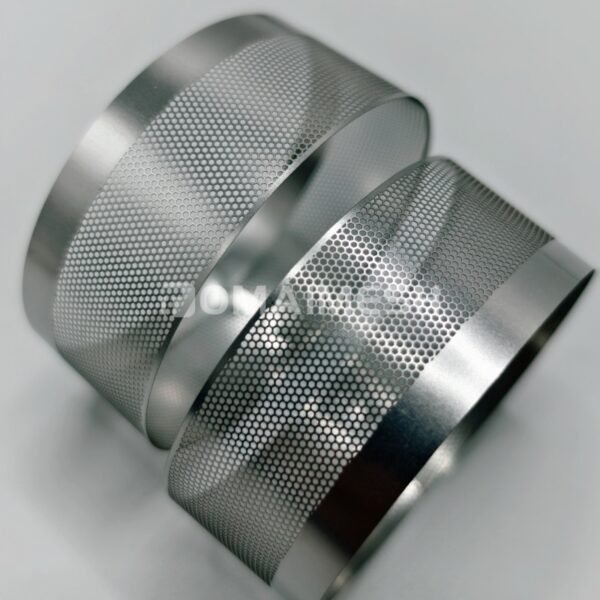
Industrial-Grade punched metal panels Solutions for US Infrastructure

High-precision architectural and security metal fabrication tailored for the rigorous standards of the North American construction market.

Industrial-Grade punched metal panels Solutions for US Infrastructure

Providing the United States market with premium structural metal products, specializing in durability, precision airflow, and security-focused architectural designs.

Market Landscape of Metal Fabrication in the United States

Analyzing the intersection of regulatory compliance and material innovation in the US structural metal sector.

The US market for structural metal products is currently driven by a surge in sustainable urban redevelopment and a strict adherence to ASTM standards. In regions like the Midwest and the Sun Belt, there is an increasing demand for perforated mesh metal to address both ventilation needs and high-security requirements in public infrastructure.

Environmental factors, particularly the saline atmosphere of coastal cities like Miami and New York, have pushed the industry toward high-corrosion resistance. This has led to a significant shift toward perforated aluminium plate, which offers the ideal balance of lightweight structural integrity and natural oxidation protection.

Furthermore, the economic pivot toward "smart factories" in the US has increased the necessity for precision-engineered slotted perforated metal, used extensively in machinery guards and electronic cooling systems to meet OSHA safety regulations and efficiency benchmarks.
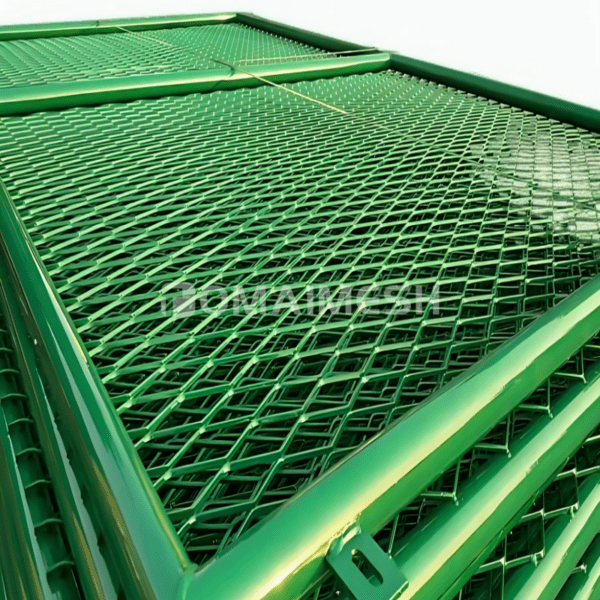
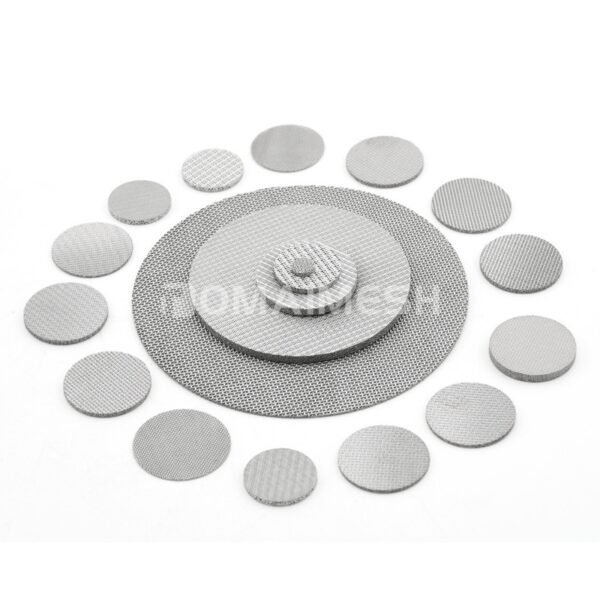
Evolution and Trajectory of Perforated Metal Technology

From traditional mechanical punching to AI-driven CNC precision.

Market Development History

In the mid-20th century, US metal fabrication relied heavily on manual hydraulic presses, producing basic square perforated sheet for simple filtration and drainage. These early iterations were limited by tool wear and low tolerance levels.

The 1990s marked a transition toward CNC (Computer Numerical Control) technology, allowing for complex patterns and tighter tolerances. This era saw the rise of architectural perforated panels used in iconic US facade projects, shifting the product from a purely functional component to a design element.

By the 2020s, the integration of laser-cutting and automated quality inspection systems has minimized material waste and enabled the mass customization of high-performance structural metals for aerospace and medical applications across North America.

Future Development Trends

Nano-Coating Integration

Expected integration of hydrophobic and antimicrobial nano-coatings on perforated surfaces to enhance lifespan in humid US climates.

Generative Design Patterns

Shift toward algorithmically optimized hole patterns that maximize strength-to-weight ratios, reducing raw material consumption.

Sustainable Recycled Feedstock

A strong trend toward using 100% recycled aluminium and steel to meet the "Green Building" certifications (LEED) prevalent in US urban planning.

Industry Trends and Future Outlook

Strategic foresight into the structural metal fabrication landscape (2024-2029).

Smart Manufacturing 4.0
Implementation of IoT sensors in fabrication lines to ensure zero-defect precision for critical safety components.
Eco-Material Transition
Rapid adoption of low-carbon steel and recycled aluminium to comply with US federal sustainability mandates.
Acoustic Optimization
Designing perforated patterns specifically for sound absorption in US commercial office and airport hubs.
Modular Security Design
Developing rapid-deploy security screens using high-tensile perforated alloys for federal installations.

Industry Outlook

Based on Google search trends for "sustainable building materials" in the US, we project a 15% annual growth in the demand for customized perforated metal solutions. The market is shifting away from generic sheets toward application-specific engineered panels.

The focus will be on the synergy between aesthetics and performance. As US architecture moves toward more transparency and airflow, the role of precisely engineered metal skins will become central to energy-efficient building design.

Localized Application Scenarios in North America

Real-world implementation of perforated metal solutions across diverse US industries.

01. Data Center Cooling Systems

Utilizing slotted perforated metal for server rack flooring and ventilation panels to optimize airflow and heat dissipation in Virginia and Texas data hubs.

02. Coastal Architectural Facades

Installing premium perforated aluminium plate for exterior cladding in Florida and California to resist salt-spray corrosion while providing solar shading.

03. Industrial Safety Guarding

Implementing punched metal panels as machine guards in automotive plants in Michigan and Ohio, ensuring operator safety without blocking visibility.

04. Urban Public Transit Security

Deploying high-strength perforated mesh metal for security screens and partitions in New York and Chicago subway systems for durability and visibility.

05. Agricultural Filtration Systems

Using square perforated sheet for grain screening and filtration in the Midwest farming belt, optimized for specific particle size separation.

Brand Story

Global Development History of Anping Tongmai Wire Mesh Products Co., Ltd.

Foundational Excellence

Established in the heart of the wire mesh capital, we began with a mission to solve basic filtration challenges with unmatched precision.

Technological Pivot

Investing in advanced CNC punching and laser technologies to transition from standard mesh to complex structural metal solutions.

Global Standardization

Aligning our production processes with ISO and ASTM standards to seamlessly enter the North American and European markets.

US Market Specialization

Developing dedicated product lines for the US construction and security sectors, focusing on high-durability alloys and custom patterns.

Future-Ready Innovation

Committing to sustainable manufacturing and AI-driven design to solve the next generation of structural metal pain points.

Complete Perforated Metal Portfolio for the US Market

A comprehensive range of structural and architectural metal products engineered for North American standards.

Frequently Asked Questions - US Structural Metal Solutions

Expert answers to common technical and logistical queries for our North American clients.

What are the best materials for outdoor perforated mesh metal in coastal US regions?

For coastal areas, we strongly recommend marine-grade aluminium or 316 stainless steel to prevent chloride-induced corrosion.

Can you customize the hole pattern for punched metal panels to meet OSHA safety standards?

Yes, we can engineer specific open-area percentages and hole diameters to ensure both visibility and safety compliance according to OSHA guidelines.

How does perforated aluminium plate compare to steel for architectural facades?

Aluminium is significantly lighter and more corrosion-resistant, making it easier to install and maintain, though steel offers higher structural rigidity for load-bearing roles.

What is the typical lead time for custom slotted perforated metal orders shipped to the US?

Depending on the complexity and volume, production typically takes 2-3 weeks, with shipping durations varying by chosen freight method (air vs sea).

Are your square perforated sheet products compatible with LEED certification?

Yes, we provide material certifications for recycled content, helping your project earn points toward LEED green building credits.

Do you provide CAD drawings for integration into US BIM (Building Information Modeling) workflows?

Absolutely. We provide precise technical drawings and DXF files to ensure seamless integration into your Revit or AutoCAD project models.

Ready to Optimize Your Project?

Partner with a global leader in structural metal fabrication to bring precision and durability to your North America - United States projects.

Contact Us Now

If you are interested in our products, you can choose to leave your information here, and we will be in touch with you shortly.