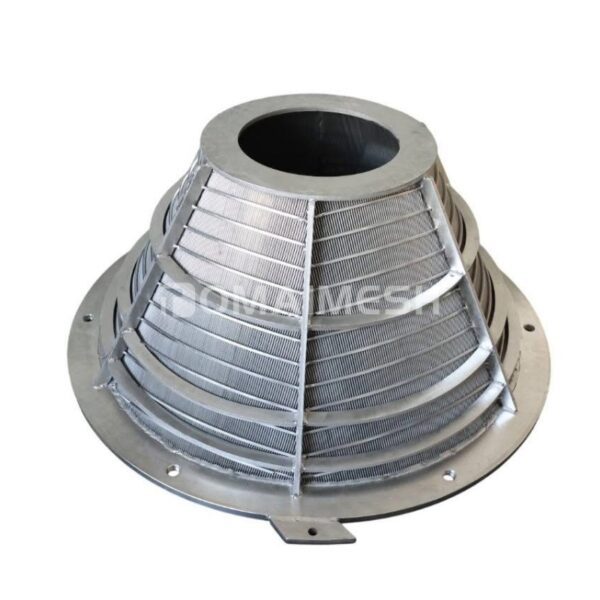
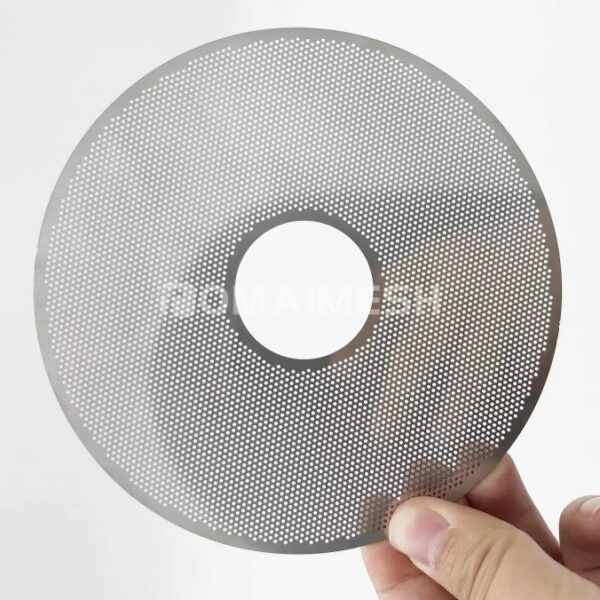
Premium punched metal panels Solutions for Germany's Industrial Architecture

Precision-engineered structural metal components tailored for the rigorous DIN standards of the German manufacturing sector.

Premium punched metal panels Solutions for Germany's Industrial Architecture

Providing high-performance perforated metal solutions that combine German engineering precision with advanced structural durability for architectural and safety applications.

Current Landscape of Structural Metal Fabrication in Germany

Analyzing the intersection of sustainability and precision in the DACH region's metal industry.

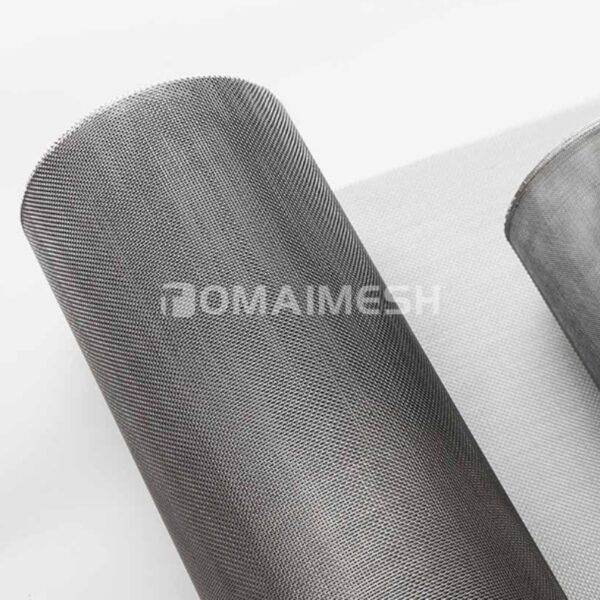
Germany's structural metal sector is currently defined by a transition towards "Industrie 4.0," where perforated mesh metal is no longer just a filter medium but a critical component in acoustic shielding and ventilation for high-tech automotive plants in Bavaria and Baden-Württemberg.

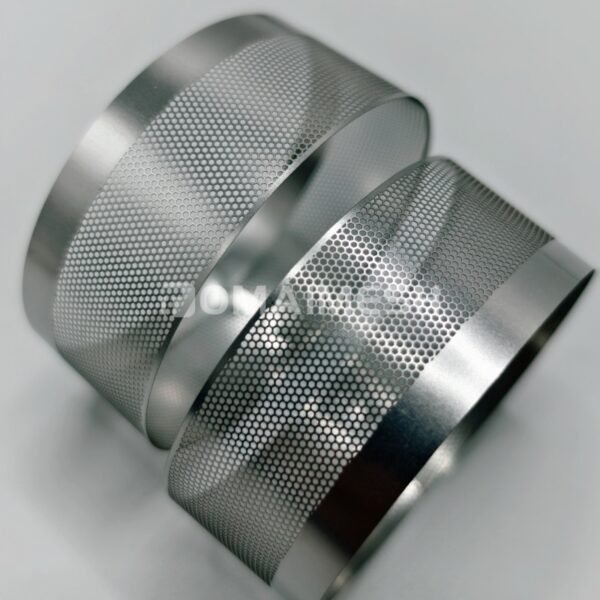
The local market demands extreme adherence to corrosion resistance due to varying climatic conditions across Northern and Southern Germany. This has led to a surge in demand for perforated aluminium plate, which offers the ideal balance of lightweight properties and oxidation resistance for exterior facades.

Economically, the German market is shifting away from mass-produced generic sheets toward customized, high-tolerance components. The integration of BIM (Building Information Modeling) means that structural elements must be delivered with micron-level accuracy to fit seamlessly into prefabricated modular constructions.
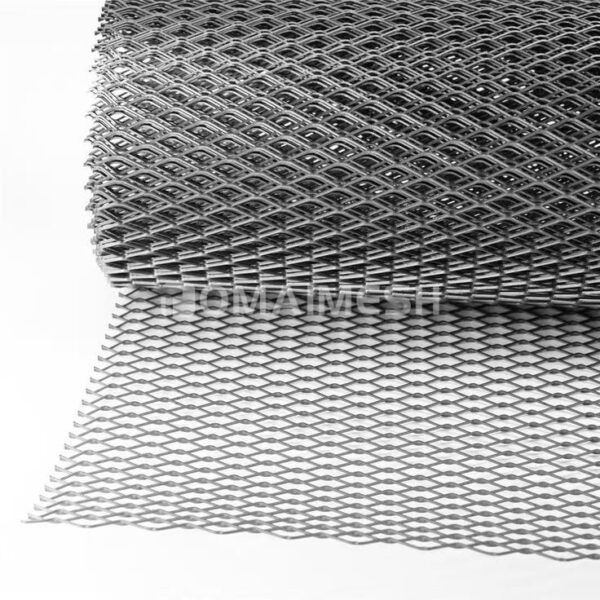
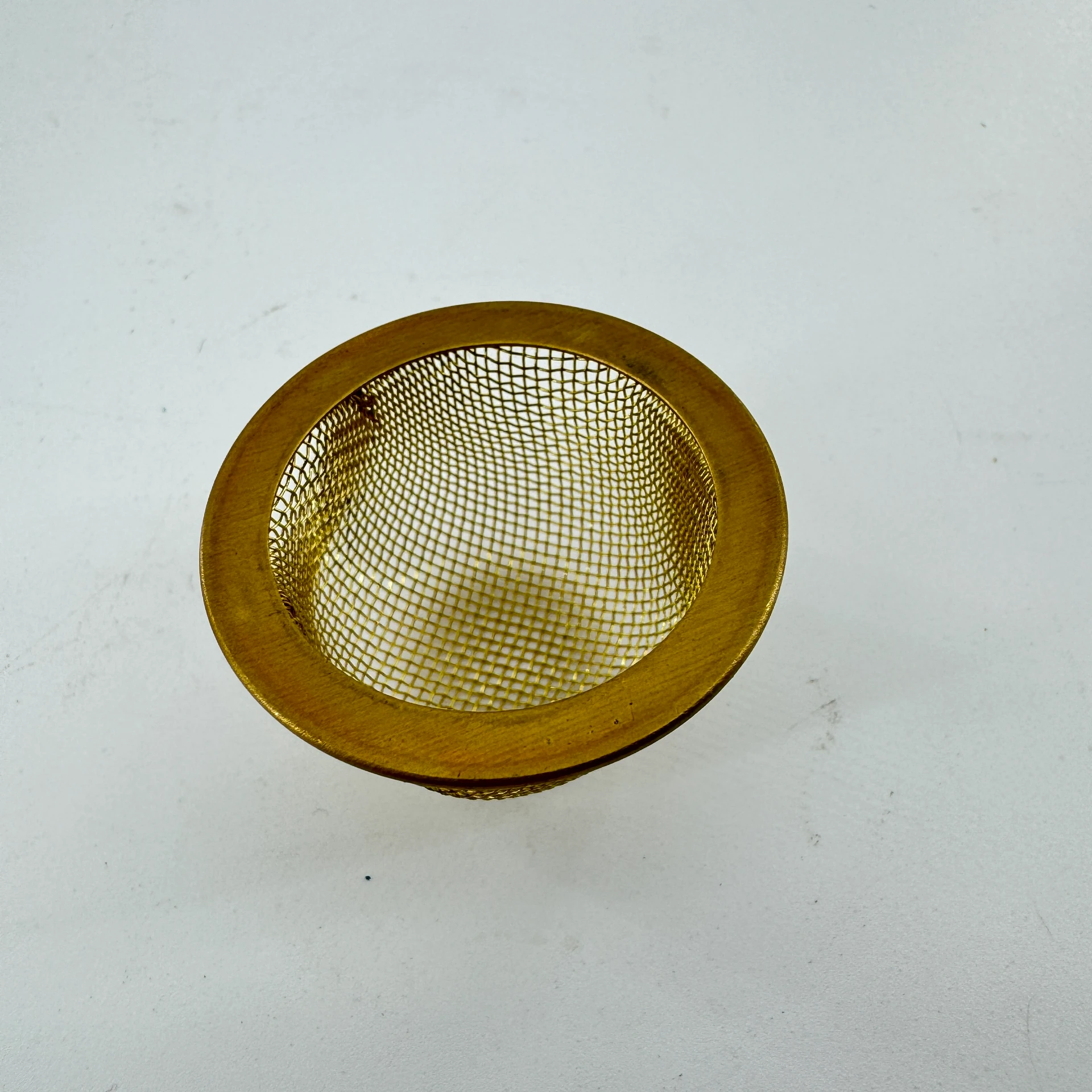
Evolution of Perforated Metal Engineering

From traditional mechanical punching to CNC-driven precision fabrication.

Market Development History

In the mid-20th century, the German metal industry relied on manual turret punching, focusing on basic square perforated sheet patterns for simple industrial gratings and basic safety guards.

By the 1990s, the introduction of CNC (Computer Numerical Control) technology revolutionized the sector. This era allowed for the complex geometries required for slotted perforated metal, enabling engineers to optimize airflow and structural load-bearing capacities simultaneously.

Entering the 2020s, the focus has shifted toward "Smart Materials." Modern fabrication now integrates laser-cutting precision with automated coating processes, ensuring that metal components meet the stringent environmental regulations of the European Green Deal.

Future Development Trends

Generative Design Integration

Using AI to determine the optimal hole pattern for maximum strength-to-weight ratio, reducing raw material waste in accordance with German circular economy goals.

Advanced Nano-Coatings

Moving beyond standard powder coating to hydrophobic and antimicrobial nano-layers, specifically for perforated panels used in medical and food-processing facilities.

Sustainable Alloy Development

A shift toward 100% recycled aluminium and "green steel," reducing the carbon footprint of large-scale architectural installations across Europe.

Industry Trends and Future Outlook

Strategic projections for the structural metal fabrication market in Germany.

Eco-Efficient Fabrication
Implementing closed-loop recycling for aluminium scrap to meet EU sustainability mandates.
BIM-Integrated Supply
Digital twin synchronization from design to delivery for zero-error installation on site.
Acoustic Optimization
Developing custom perforation ratios to reduce noise pollution in urban German infrastructure.
Modular Integration
Designing interchangeable perforated panels for rapid facility reconfiguration.

Industry Outlook

Based on Google search trends in the DACH region, there is a marked increase in queries related to "sustainable facade systems" and "custom industrial filtration." This indicates a strong move toward integrating aesthetic value with functional performance.

Over the next 3-5 years, we expect the German market to prioritize "circularity," where the end-of-life recyclability of metal sheets becomes a primary procurement criterion for public infrastructure projects.

Localized Application Scenarios in Germany

Practical implementations of precision perforated metals across various German industries.

01. Automotive Assembly Plant Ventilation

Installation of high-airflow punched metal panels in Wolfsburg-based assembly lines to optimize HVAC efficiency and maintain cleanroom standards.

02. Berlin Urban Architectural Facades

Utilizing decorative perforated aluminium plate for contemporary office buildings in Berlin, providing solar shading while maintaining natural light penetration.

03. Heavy Machinery Safety Guarding

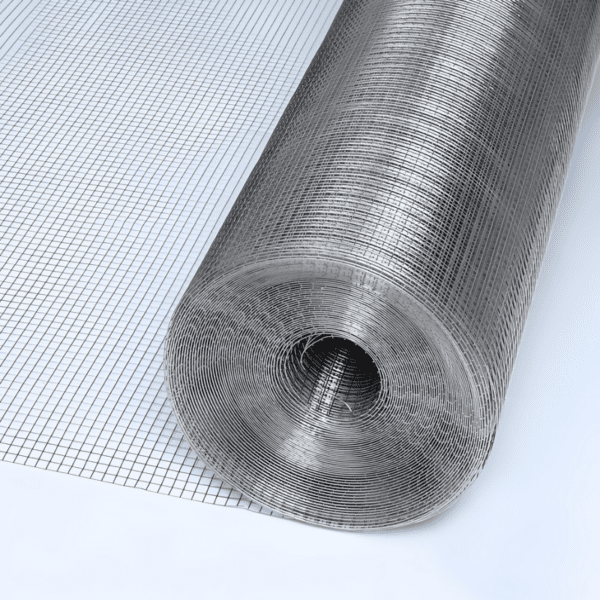
Implementing robust square perforated sheet as protective barriers for industrial presses in the Ruhr valley, ensuring operator safety without blocking visibility.

04. Chemical Processing Filtration

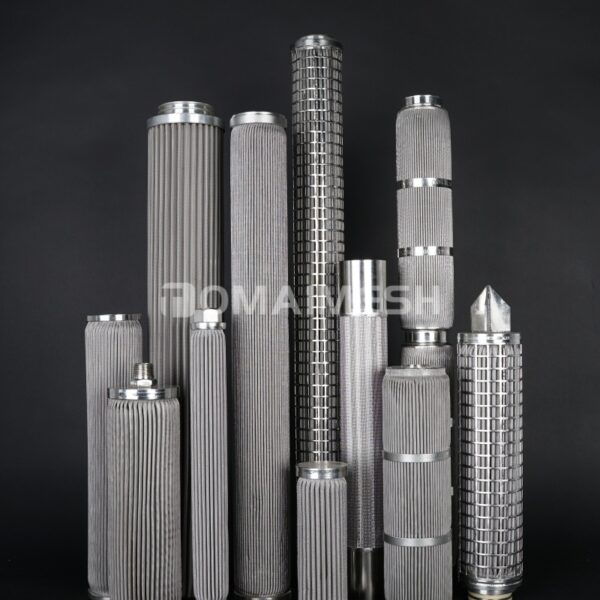
Deploying corrosion-resistant perforated mesh metal in Ludwigshafen's chemical parks for precise liquid-solid separation in aggressive environments.

05. Railway Infrastructure Ventilation

Using slotted perforated metal for ventilation grilles in the Deutsche Bahn tunnel networks, optimized for high-pressure air displacement.

Brand Story

Global Development Journey of Anping Tomaifilter Wire Mesh Co., Ltd.

Foundational Precision

Established with a mission to solve the pain point of inconsistent hole diameters in structural metal, bringing industrial-grade stability to the market.

Technological Leap

Investment in automated CNC punching lines to meet the rigorous tolerances required by the European engineering sector.

Global Certification

Aligning production processes with ISO and DIN standards to ensure seamless integration into German architectural projects.

Sustainable Shift

Developing a range of eco-friendly coatings and recycled metal options to support the EU's circular economy initiatives.

Strategic Partnership

Becoming a trusted OEM partner for leading German structural firms, focusing on high-complexity perforated components.

Comprehensive Perforated Metal Portfolio for Germany

Engineered solutions spanning from architectural aesthetics to heavy-duty industrial safety.

Frequently Asked Questions for the German Market

Technical clarifications regarding specifications, standards, and logistics.

Do your perforated aluminium plates comply with DIN standards?

Yes, all our products are manufactured to meet or exceed DIN (Deutsches Institut für Normung) specifications for dimensional accuracy and material purity.

What is the best material for perforated mesh metal in coastal Northern Germany?

For high-salinity environments like Hamburg or Bremen, we recommend marine-grade stainless steel or anodized aluminium to prevent chloride-induced corrosion.

Can you provide custom patterns for slotted perforated metal?

Absolutely. We utilize advanced CAD/CAM software to create custom slot widths and pitches tailored to your specific airflow or structural requirements.

How do you ensure the quality of square perforated sheets for heavy industry?

We employ rigorous stress-testing and ultrasonic thickness gauging to ensure that the structural integrity is maintained even after high-percentage perforation.

What lead times should we expect for punched metal panels delivered to Munich?

Lead times vary by complexity, but standard panels typically arrive within 3-5 weeks via optimized logistics channels to Southern Germany.

Are your perforated products available in recycled materials for LEED certification?

Yes, we offer a dedicated line of recycled aluminium and steel that contributes to LEED and DGNB building certifications in Germany.

Consult Our Engineering Team

Ready to optimize your project with precision structural metals? Contact us for custom specifications delivered across Germany.

Contact Us Now

If you are interested in our products, you can choose to leave your information here, and we will be in touch with you shortly.