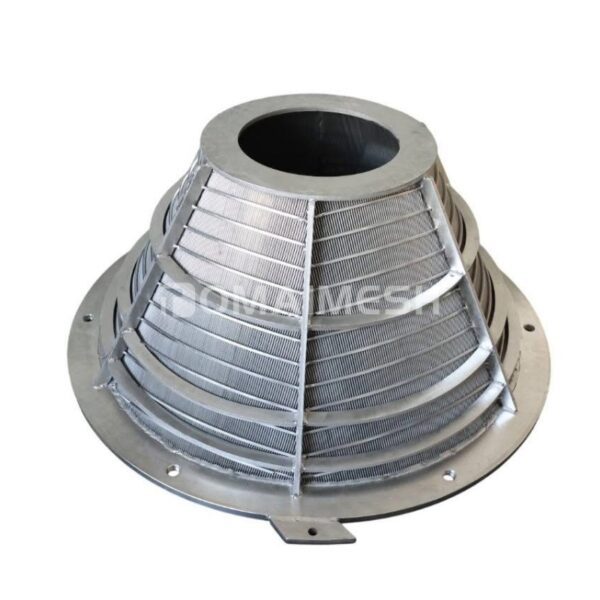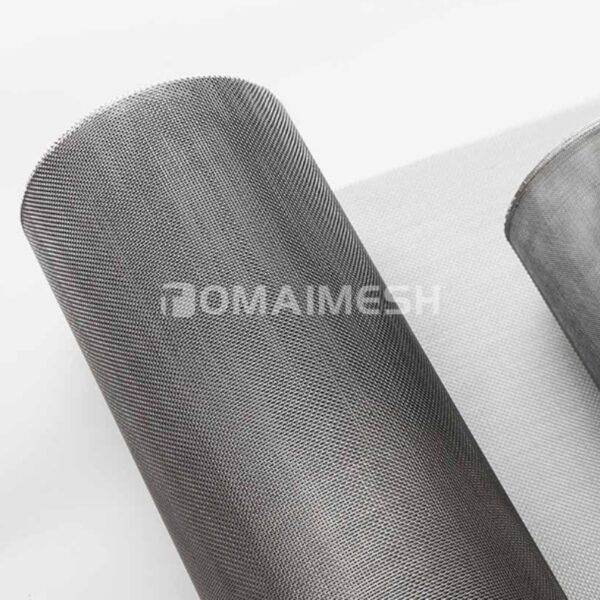
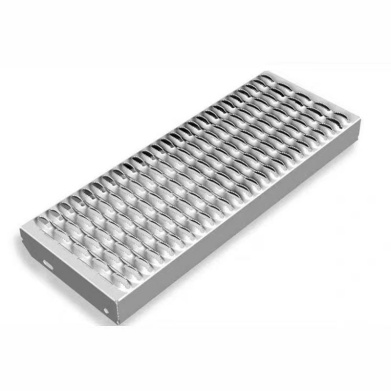
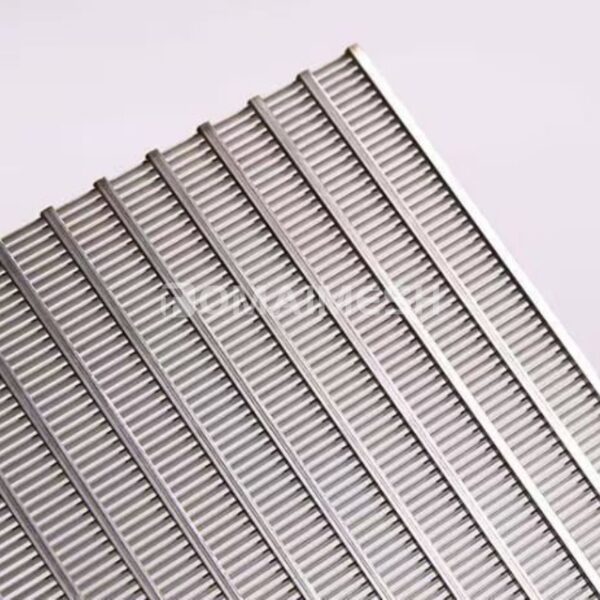
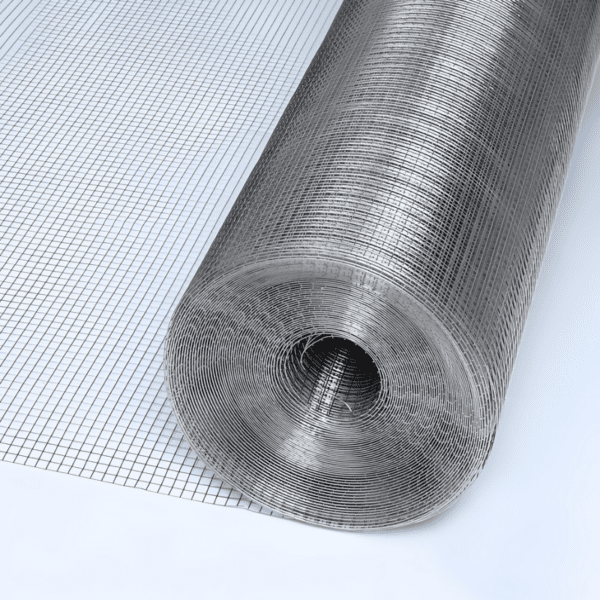
Advanced Architectural Solutions with punched metal panels in Austria

Precision-engineered structural metal components tailored for the rigorous standards of the Austrian construction and security sectors.

Advanced Architectural Solutions with punched metal panels in Austria

Providing high-performance structural metal products including perforated mesh metal and specialized aluminum plates for the Austrian market, blending aesthetic versatility with industrial strength.

The State of Structural Metal Manufacturing in Austria

Analyzing the intersection of Alpine climate demands and high-precision metal engineering.

Austria's manufacturing landscape is characterized by a commitment to "Qualitätsarbeit" (quality work). In the region, the demand for perforated aluminium plate is driven by the need for corrosion-resistant materials that can withstand the extreme temperature fluctuations and humidity of the Alpine regions.

The local industry focuses heavily on integration with sustainable architecture. Modern Austrian building codes emphasize energy efficiency and natural ventilation, leading to a surge in the adoption of slotted perforated metal for facade cladding and solar shading systems in urban centers like Vienna and Graz.

Furthermore, the security sector in Austria requires high-tensile strength materials. This has created a stable market for square perforated sheet used in industrial filtration and high-security barriers, where precision tolerances are non-negotiable.
Evolution of Metal Perforation Technology

From manual punching to AI-driven CNC precision.

Market Development History

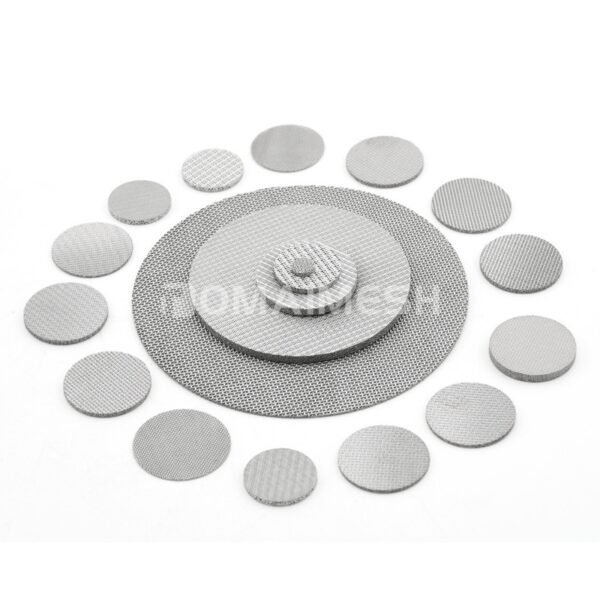
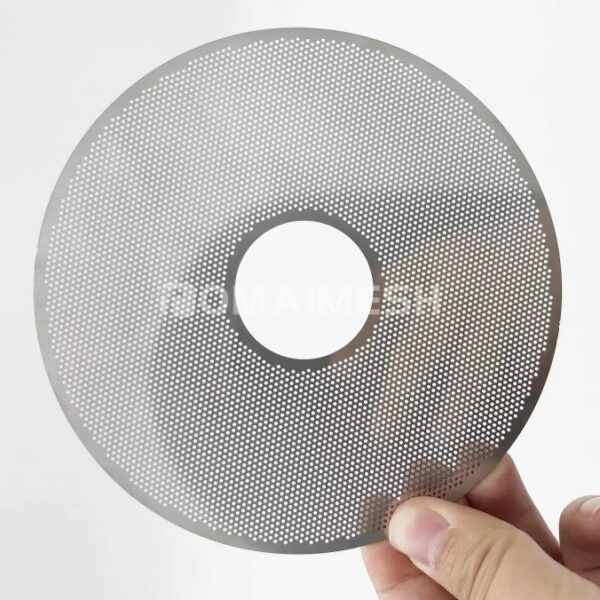
Historically, the Austrian metal industry relied on traditional mechanical press punching. In the late 20th century, the transition to CNC (Computer Numerical Control) allowed for more complex geometries, enabling the production of highly accurate punched metal panels for industrial machinery.

Between 2005 and 2015, the industry shifted toward material diversification. The integration of high-grade aluminum alloys reduced the weight of structural components while maintaining rigidity, optimizing the performance of perforated sheets in transport and automotive sectors.

By 2020, the focus evolved into "Smart Perforation," where hole patterns are mathematically optimized for specific acoustic or thermal properties, transforming simple metal sheets into functional engineering components.

Future Development Trends

Additive Manufacturing Integration

Combining 3D printing with traditional punching to create hybrid components with impossible internal geometries.

Sustainability and Circularity

Increased use of recycled aluminum and steel to meet the strict EU Green Deal regulations within Austria.

Laser-Punching Hybridization

The merge of fiber laser cutting and mechanical punching to achieve ultra-fine tolerances for specialized filtration.

Industry Trends and Future Outlook

Strategic projections for the next 3-5 years in structural metal fabrication.

Eco-Friendly Metallurgy
Shift towards carbon-neutral production and 100% recyclable aluminum substrates to align with Austrian environmental laws.
Digital Twin Design
Using BIM (Building Information Modeling) to simulate airflow and light through perforated panels before fabrication.
Smart Coatings
Application of self-cleaning and hydrophobic coatings to prevent ice accumulation on outdoor metal panels in the Alps.
Precision Micro-Perforation
Demand for sub-millimeter hole patterns for high-end filtration and acoustic control in modern office spaces.

Industry Outlook

Google search trends indicate a growing interest in "sustainable building materials" and "architectural metal skins" within the DACH region. This suggests that the future of perforated metals will shift from purely functional industrial use to highly aesthetic, energy-saving architectural elements.

We anticipate a strong transition toward modularity, where perforated panels are designed as easy-to-install kits, reducing on-site labor costs and increasing the speed of construction for public infrastructure projects in Austria.

Localized Application Scenarios in Austria

Practical implementations of structural metal products across diverse Austrian environments.

01. Alpine Facility Ventilation

Utilizing perforated mesh metal for ventilation systems in high-altitude resorts to ensure optimal airflow while preventing snow and debris infiltration.

02. Vienna Urban Facades

Installing slotted perforated metal on commercial buildings to provide solar shading and reduce cooling loads during summer months.

03. Industrial Filtration in Linz

Implementation of square perforated sheet in the heavy industry sectors of Upper Austria for precise chemical and oil filtration processes.

04. Public Transit Security

Using high-strength punched metal panels for security screening and safety barriers in Austrian railway stations and airports.

05. Modern Art Installations

Employing customized perforated aluminium plate for lightweight, weather-resistant public art installations in Salzburg's cultural districts.

Brand Story

Global Development History of Anping Tongmai Wire Mesh Products Co., Ltd.

Industrial Foundation

Established in the heart of the wire mesh capital, focusing on the core fundamentals of metal drawing and weaving to solve basic filtration needs.

Technological Leap

Investment in advanced CNC punching and laser cutting machinery to transition from simple mesh to complex structural metal components.

Global Quality Certification

Adopting international standards (ISO) to ensure that every panel meets the rigorous quality requirements of European markets, including Austria.

Market Expansion

Developing a robust supply chain network to provide just-in-time delivery for large-scale architectural projects across Europe.

Sustainable Future

Committing to green manufacturing processes and the development of recycled metal solutions to lead the industry toward a circular economy.

Comprehensive Metal Solutions for the Austrian Market

A full portfolio of high-precision perforated and punched metal products designed for structural integrity and aesthetic appeal.

Frequently Asked Questions - Austria Region

Expert answers to common technical queries regarding structural metal products.

How does the climate in Austria affect the choice of perforated aluminium plate?

Due to high humidity and snow in Alpine regions, we recommend anodized or powder-coated aluminum to prevent oxidation and ensure long-term structural stability.

What are the typical lead times for custom punched metal panels in Europe?

Standard panels are shipped quickly, while custom architectural designs typically take 2-4 weeks for precision fabrication and quality testing before shipping to Austria.

Can square perforated sheet be customized for specific acoustic requirements?

Yes, by adjusting the hole diameter and open area percentage, we can optimize the sheet to absorb or reflect specific sound frequencies for Austrian office projects.

Is slotted perforated metal suitable for heavy-duty security applications?

Absolutely. When fabricated from high-tensile steel, slotted patterns provide an excellent balance between visibility and high impact resistance for security barriers.

How do I ensure the perforated mesh metal meets EU environmental standards?

All our products are manufactured following ISO standards and we provide material certificates (MTR) ensuring compliance with REACH and RoHS regulations.

What is the difference between laser cutting and mechanical punching for panels?

Mechanical punching is faster and more cost-effective for large volumes of repetitive holes, while laser cutting is ideal for unique, intricate designs required in high-end Austrian architecture.

Request a Technical Consultation

Our engineering team is ready to provide customized structural metal solutions for your next project in Austria.

Contact Us Now

If you are interested in our products, you can choose to leave your information here, and we will be in touch with you shortly.