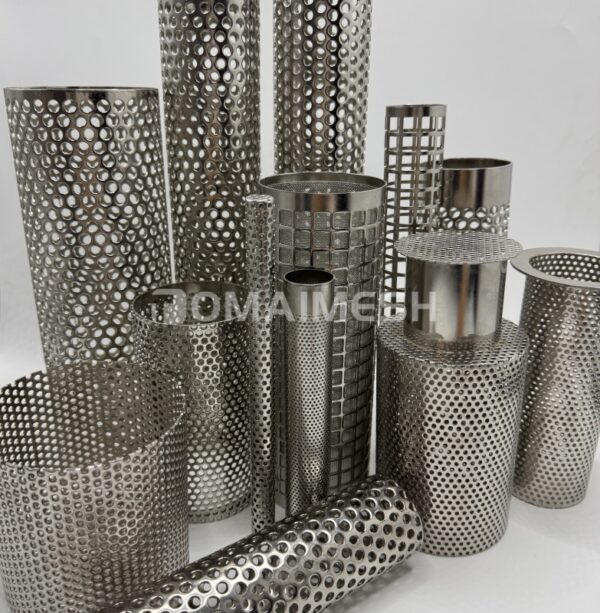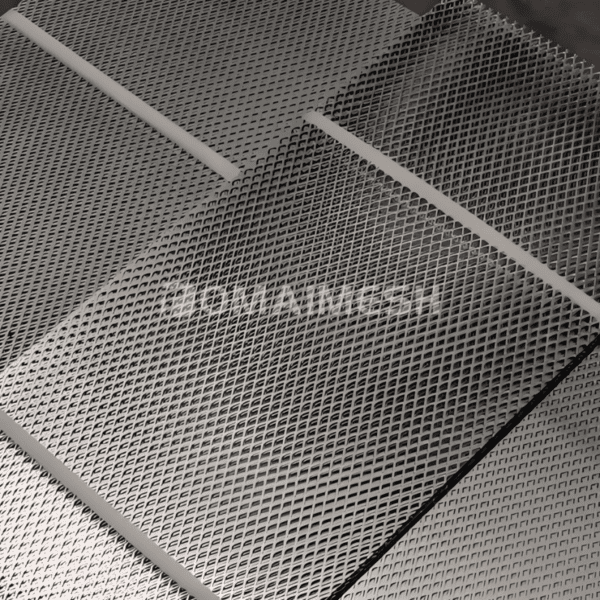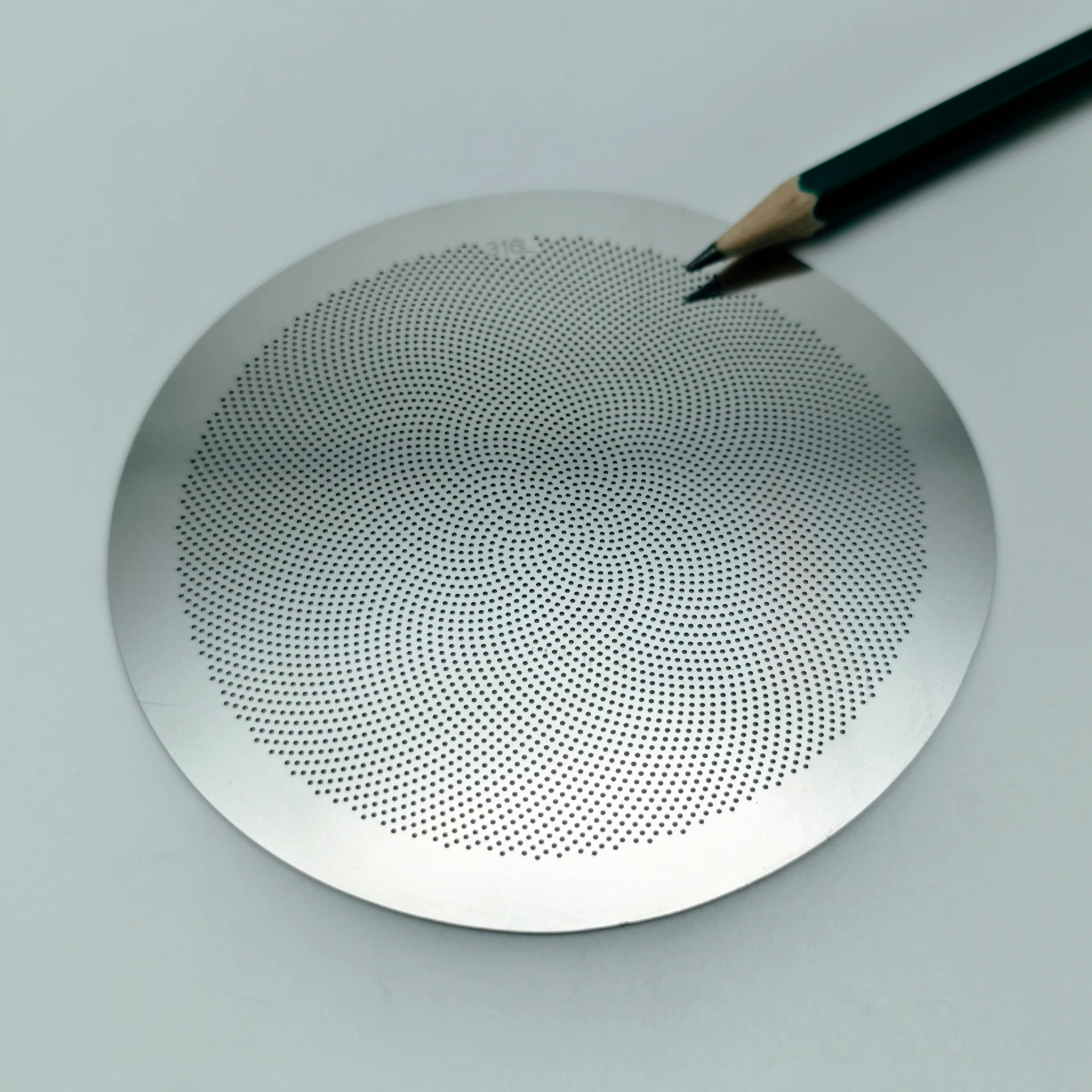
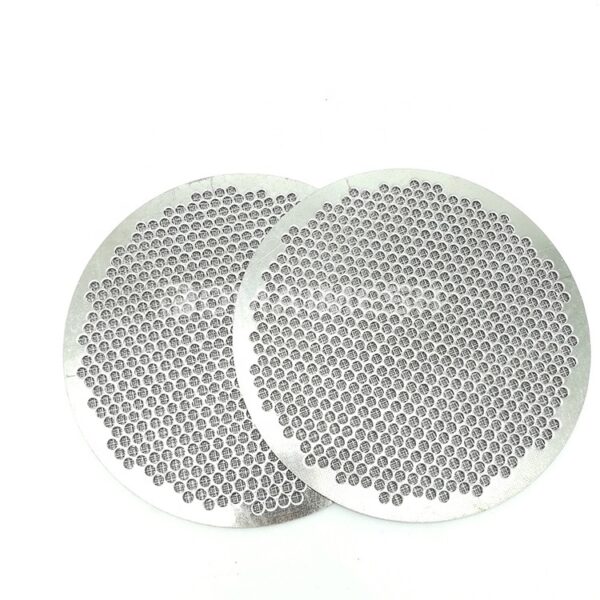
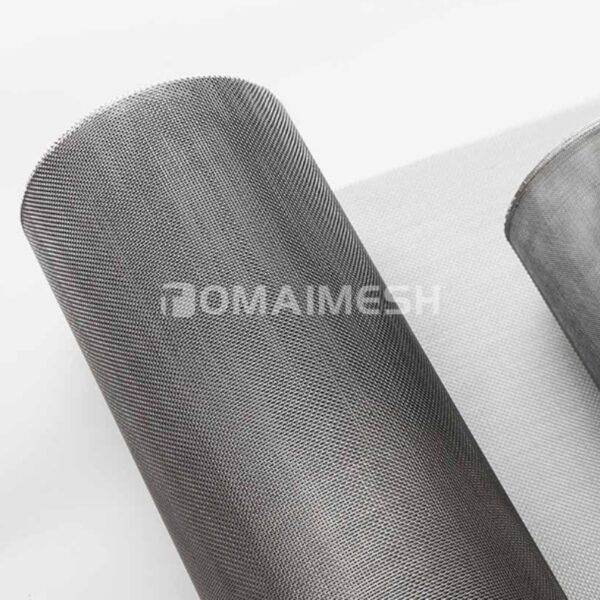
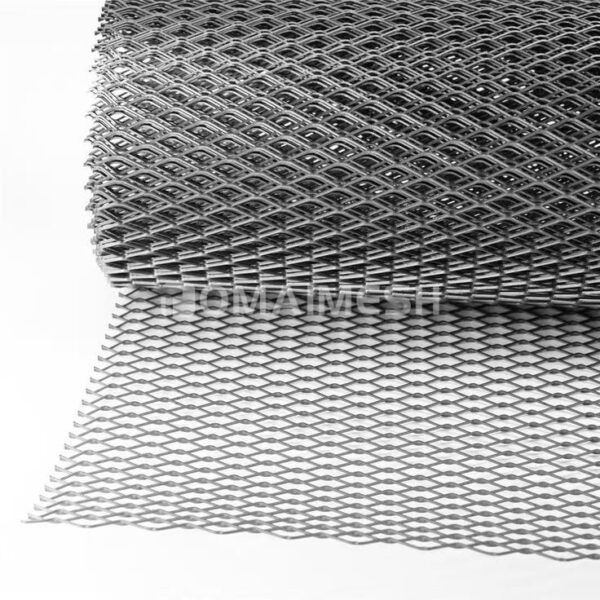
Advanced punched metal panels Solutions for Denmark's Architecture

Precision-engineered structural metal components tailored for the demanding climatic and aesthetic standards of the Danish construction industry.

Advanced punched metal panels Solutions for Denmark's Architecture

Integrating high-performance metallurgy with Scandinavian design principles to deliver durable, functional, and visually striking metal facades and safety components.

The Current State of Metal Fabrication in Denmark

Balancing sustainability, corrosion resistance, and minimalist aesthetics in a maritime climate.

Denmark's manufacturing sector for structural metal is heavily influenced by its harsh coastal environment. The prevalence of high humidity and salt-laden air makes the demand for perforated aluminium plate exceptionally high, as aluminium's natural oxide layer provides superior corrosion resistance compared to standard carbon steel.

Economically, the Danish market is shifting towards "Green Building" certifications. This has led to a surge in the use of perforated mesh metal for natural ventilation systems in urban Copenhagen and Aarhus, reducing reliance on energy-intensive HVAC systems while maintaining structural security.

Local architects emphasize a "form follows function" approach. Consequently, the application of slotted perforated metal has become a standard for acoustic damping and sunlight filtration in public infrastructure, blending industrial strength with the clean lines characteristic of Danish modernism.
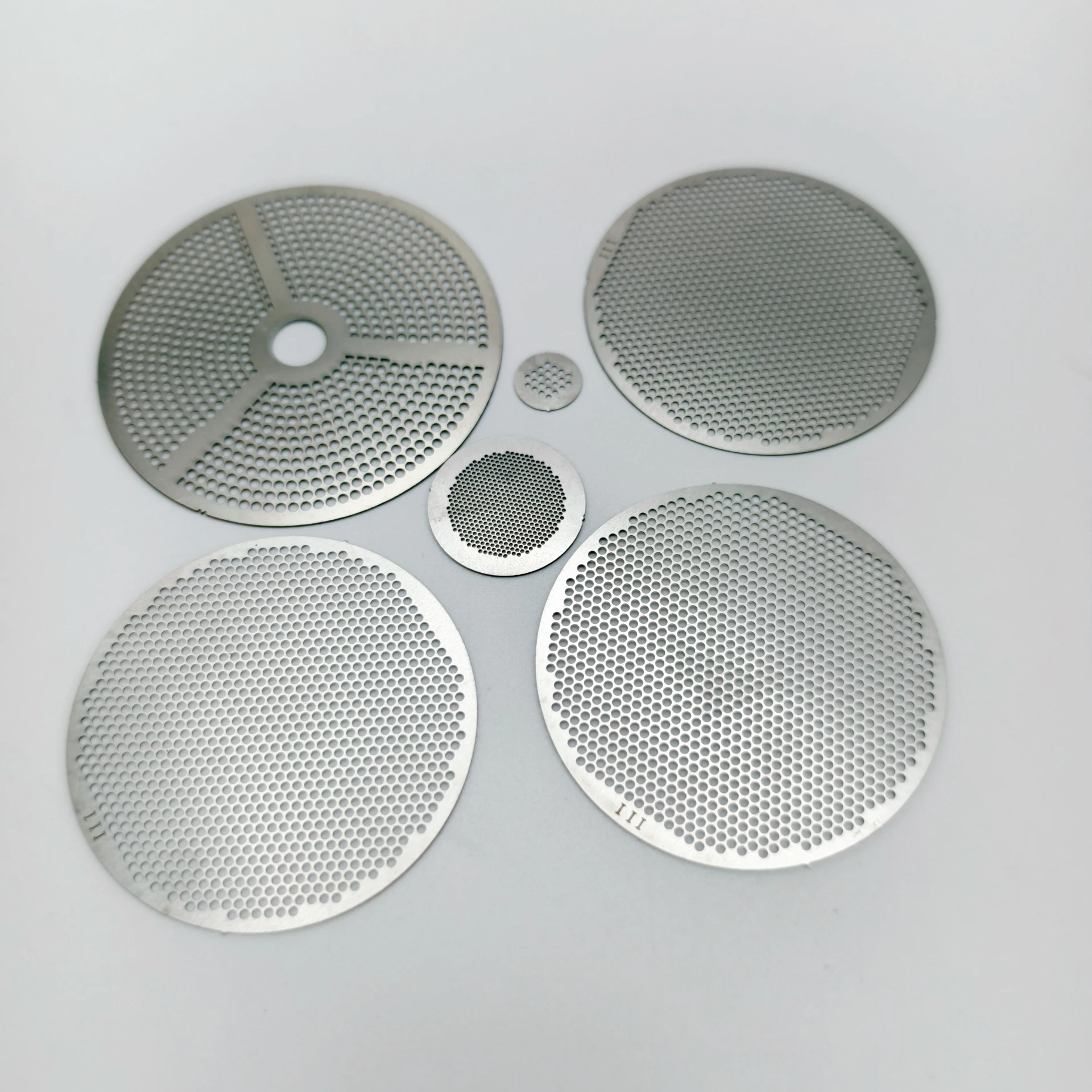
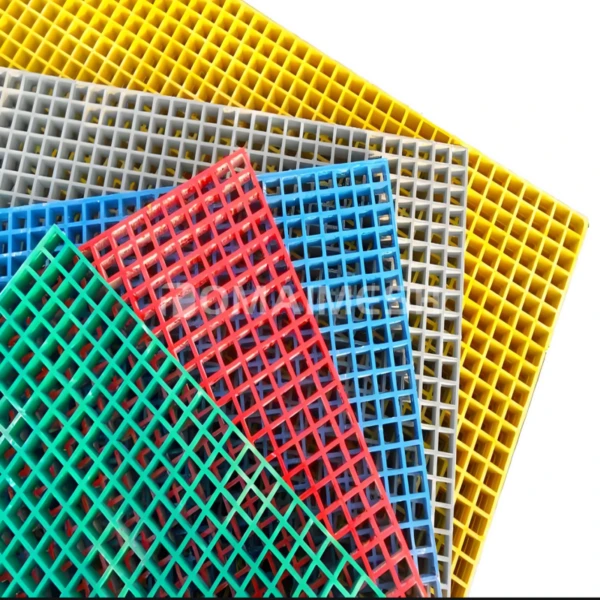
Evolution of Structural Perforated Metal in Denmark

From heavy industrial screening to parametric architectural skins.

Market Development History

During the mid-20th century, the Danish metal industry focused primarily on agricultural and maritime utility. Metal perforation was basic, utilizing heavy-duty dies to produce standard square perforated sheet for simple filtration and grating tasks in shipyards.

Between 1990 and 2010, the integration of CNC punching technology revolutionized the sector. This era saw a transition from generic patterns to custom architectural solutions, allowing for variable hole sizes and precise tolerances that met the rigorous European safety standards (EN).

In the last decade, the focus has pivoted toward sustainability and BIM (Building Information Modeling). Metal components are now designed digitally to optimize material usage and light transmission, turning functional screens into complex aesthetic assets.

Future Development Trends

Circular Economy Integration

Future trends indicate a mandatory shift toward 100% recyclable alloys and "Cradle-to-Cradle" certified production processes to align with Denmark's goal of carbon neutrality.

Smart Perforation Geometry

We expect a rise in parametric design where perforation density varies across a single panel to control thermal gain based on the sun's trajectory in Northern Europe.

Advanced Hybrid Coatings

The development of nano-coatings will further enhance the lifespan of metal panels in salty Baltic environments, reducing maintenance costs for public works.

Industry Outlook and Future Trajectory

Analyzing the convergence of digital fabrication and ecological responsibility.

Carbon-Neutral Production
Adopting low-emission smelting and green electricity in the fabrication of all metal sheets.
AI-Driven Optimization
Using AI to calculate the optimal perforation ratio for energy efficiency in buildings.
Modular Rapid Deployment
Pre-fabricated perforated modules for faster on-site assembly in urban projects.
Hyper-Corrosion Resistance
Developing new alloy compositions specifically for North Sea oil and gas infrastructure.

Industry Outlook

Based on current search trends in Northern Europe, there is a significant uptick in queries regarding "sustainable metal facades" and "acoustic perforated panels." This indicates that the market is moving away from pure utility toward a fusion of environmental performance and sensory experience.

The next 3-5 years will likely see a consolidation of the supply chain, where manufacturers who can provide fully integrated digital design-to-fabrication services will dominate the Danish market over traditional commodity suppliers.

Localized Applications in Denmark

Real-world implementation of structural metal products in the Danish landscape.

01. Copenhagen Metro Ventilation Grates

Utilization of heavy-duty square perforated sheet for urban ventilation shafts, providing high load-bearing capacity and safety for pedestrian traffic.

02. North Sea Wind Turbine Platforms

Application of marine-grade perforated aluminium plate for walkways and safety guards, ensuring zero corrosion in extreme salt-spray environments.

03. Aarhus Library Acoustic Facades

Installation of custom punched metal panels to create a sound-absorbing exterior skin that minimizes urban noise pollution while allowing natural light.

04. Danish Design Museum Exhibit Screens

Use of high-precision slotted perforated metal for interior partitions, offering a minimalist visual transparency aligned with Nordic aesthetics.

05. Jutland Industrial Filtration Systems

Deployment of multi-layered perforated mesh metal in food processing plants to meet strict EU hygiene and filtration standards.

Brand Story

Global Development Journey of Anping Tongmai Wire Mesh Products Co., Ltd.

Foundational Excellence

Established in the heart of China's wire mesh capital, focusing on mastering the fundamental physics of metal perforation and weaving.

Technological Leap

Investing in advanced CNC punching and laser cutting technologies to move from manual production to high-precision industrial automation.

Global Expansion

Expanding our footprint into Europe, adapting our structural metal products to meet the rigorous ISO and EN standards required by the EU market.

Sustainability Pivot

Committing to eco-friendly materials and energy-efficient manufacturing to solve the pain point of environmental impact in heavy metallurgy.

The Nordic Partnership

Specializing in the Danish market by combining our manufacturing scale with local architectural requirements for durability and minimalism.

Comprehensive Metal Component Portfolio for Denmark

A full suite of structural solutions engineered for the Danish climate and regulatory landscape.

Frequently Asked Questions - Denmark Region

Expert answers to technical queries regarding perforated metal installation and maintenance.

How does perforated aluminium plate hold up against salt spray in coastal Denmark?

Our aluminium plates are anodized or powder-coated, creating a barrier that prevents chloride penetration, making them ideal for Danish coastal regions.

Can punched metal panels be customized for specific acoustic ratings in urban Aarhus?

Yes, by adjusting the open area percentage and hole diameter, we can tune the panels to specific NRC (Noise Reduction Coefficient) levels.

What is the difference between slotted perforated metal and square sheets for ventilation?

Slotted profiles offer superior directional airflow and a modern linear aesthetic, while square sheets provide a balanced, omnidirectional air distribution.

Are your perforated mesh metal products compliant with EU safety standards?

Absolutely. All our products are manufactured to meet EN standards for structural integrity, fire safety, and material purity.

What lead times should I expect for custom square perforated sheet orders in Denmark?

Depending on the complexity and volume, typical production and shipping to Denmark take between 3 to 6 weeks.

How do I maintain perforated metal facades in high-pollution urban areas?

We recommend periodic low-pressure water rinsing. Our high-grade coatings ensure that pollutants do not bond permanently to the metal surface.

Get an Expert Consultation

Contact our engineering team today to optimize your structural metal requirements for your project in Denmark.

Contact Us Now

If you are interested in our products, you can choose to leave your information here, and we will be in touch with you shortly.