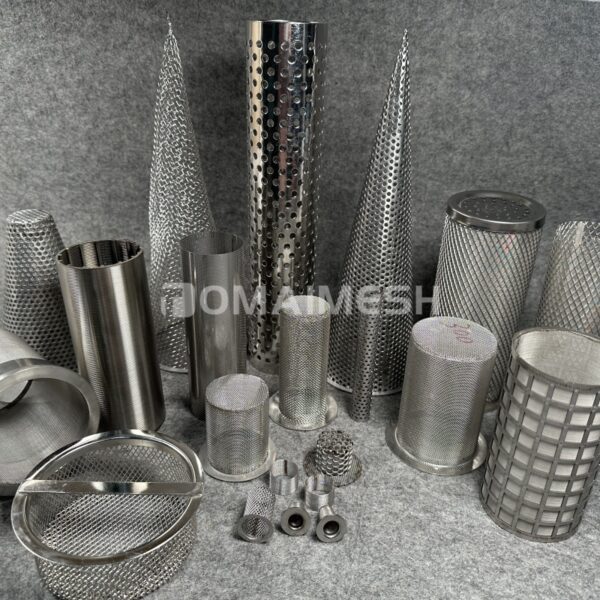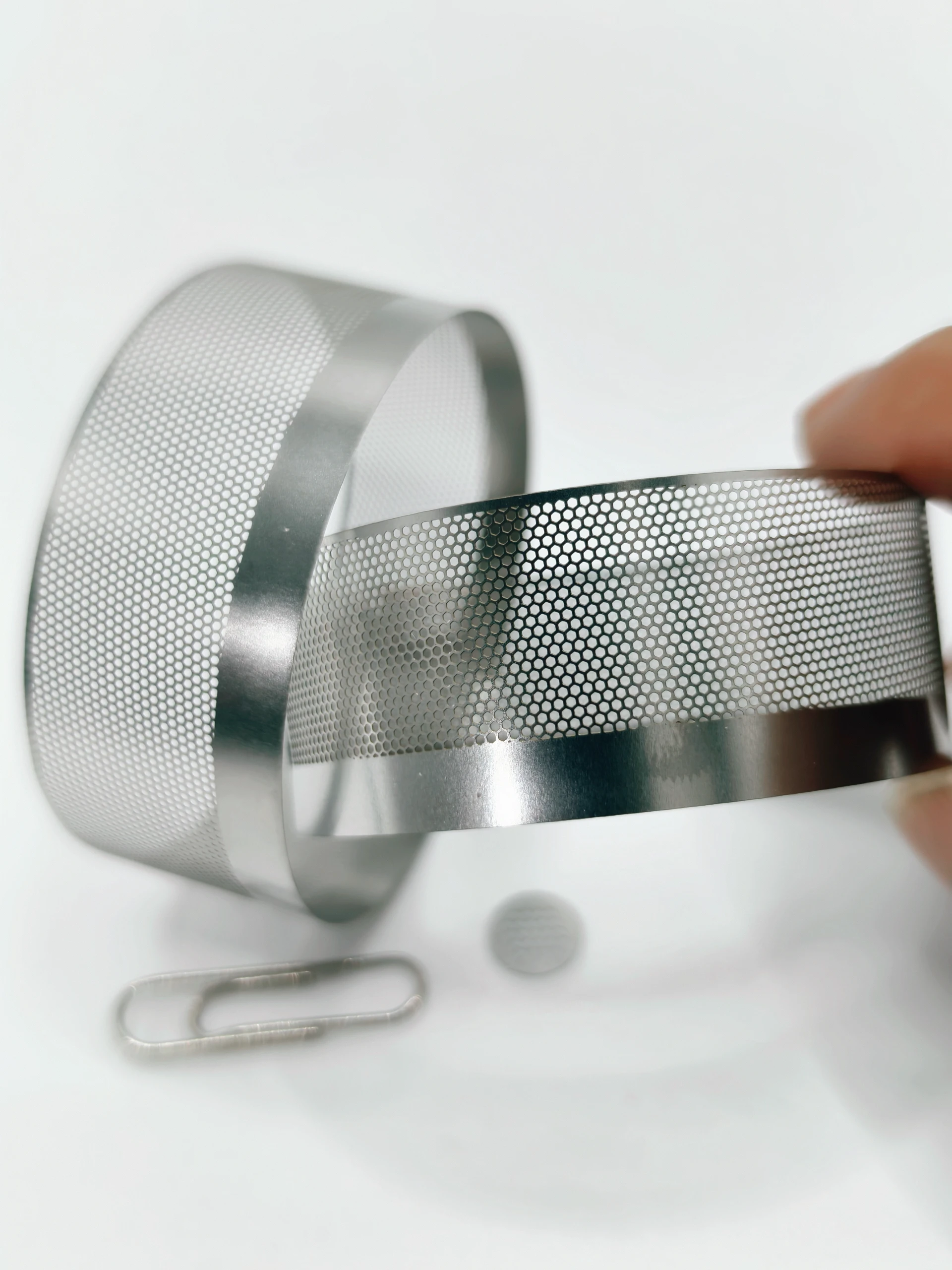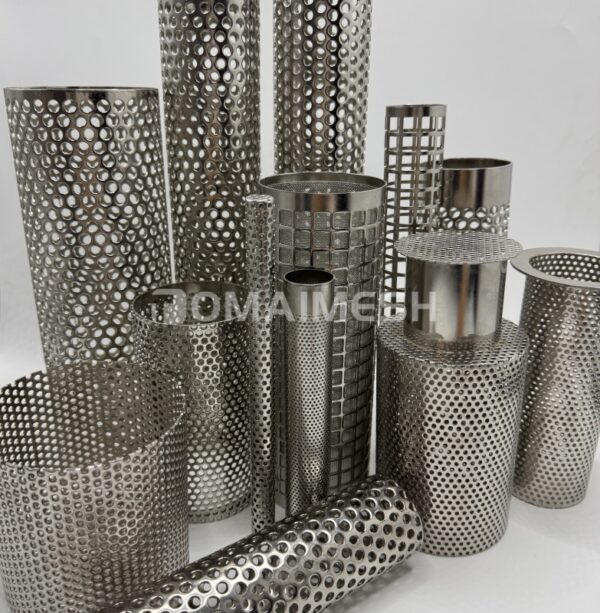
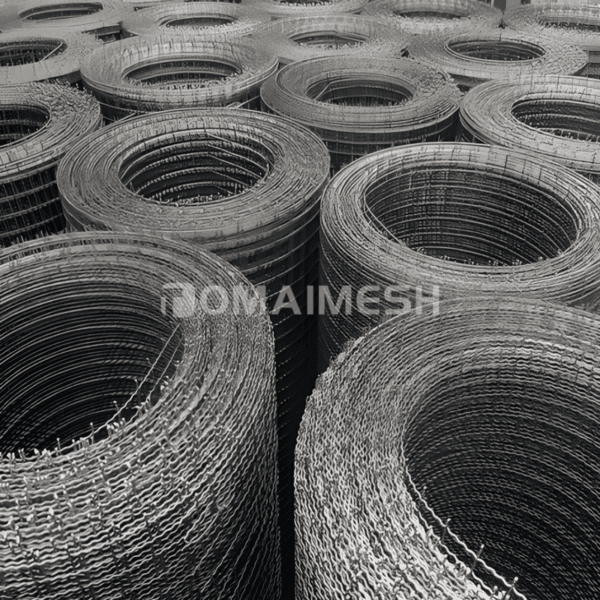
High-Performance punched metal panels Solutions for Romania

Precision-engineered architectural and industrial metal components tailored for the Romanian construction and safety sectors, ensuring durability and European standard compliance.

High-Performance punched metal panels Solutions for Romania

Providing advanced structural metal fabrication services across Romania, specializing in high-precision perforated materials for safety, ventilation, and architectural aesthetics.

Current State of Metal Fabrication in Romania

Analyzing the intersection of industrial growth and structural metal demand in the Romanian market.

Romania's manufacturing landscape is currently undergoing a rapid transition, driven by significant investments in infrastructure and the expansion of automotive hubs in regions like Craiova and Pitesti. This growth has spiked the demand for high-quality perforated mesh metal used in industrial filtration and safety guarding, where adherence to EU safety norms is non-negotiable.

The local climate, characterized by humid continental shifts, necessitates materials with superior corrosion resistance. Consequently, there is a marked preference for perforated aluminium plate in exterior cladding and facade projects in Bucharest and Cluj-Napoca, as it balances lightweight properties with environmental resilience.

Economically, Romanian firms are moving away from generic imports toward specialized, engineered components. The integration of slotted perforated metal for heavy-duty industrial flooring and ventilation systems reflects a broader trend toward optimizing airflow and structural integrity in new factory builds.
Evolution and Development Trajectory

From traditional punching techniques to CNC-driven precision engineering.

Market Development History

During the late 20th century, Romania's metal sector relied heavily on manual hydraulic punching and basic mechanical presses. Production was focused on volume rather than precision, with standard square perforated sheet being the primary offering for simple agricultural and basic industrial use.

Between 2007 and 2015, following EU accession, the industry adopted CNC (Computer Numerical Control) technology. This era marked a shift toward customizable hole patterns and tighter tolerances, allowing Romanian engineers to specify exact open-area percentages for complex filtration systems.

From 2016 to the present, the focus has shifted toward "Smart Fabrication." The adoption of laser-perforation and advanced automated coating processes has allowed for the creation of intricate architectural patterns that meet both structural safety and modern aesthetic demands.

Future Development Trends

AI-Driven Material Optimization

Predictive modeling will be used to determine the optimal hole distribution in perforated panels to maximize strength while minimizing material waste, reducing costs for Romanian contractors.

Sustainable Alloy Integration

A move toward 100% recyclable aluminium and low-carbon steel will dominate, driven by the European Green Deal and local environmental regulations.

Customized Hybrid Perforations

Integration of varying hole shapes—combining round, square, and slotted patterns—within a single sheet to fulfill multi-functional acoustic and thermal requirements.

Industry Trends and Future Outlook

Strategic directions for the structural metal industry in the coming 3-5 years.

Digital Twin Integration
Implementation of 3D digital twins for perforated panels to simulate airflow and load-bearing capacity before physical production.
Advanced Nano-Coatings
Application of hydrophobic and anti-corrosive nano-layers to extend the lifespan of metal sheets in coastal Romanian regions.
Modular Assembly Systems
Development of interlocking perforated systems that reduce onsite welding and installation time in construction projects.
Acoustic Engineering
Designing perforated panels specifically for sound absorption in the growing Romanian commercial office and theater sector.

Industry Outlook

Google search trends indicate a rising interest in "sustainable architecture" and "industrial safety standards" within the Romanian region. This suggests that future demand will shift from basic metal sheets to highly engineered, value-added products that provide specific technical functions.

We anticipate that the synergy between automated production and local architectural demand will lead to a 15% annual increase in the adoption of custom-punched metal solutions, particularly for green building certifications (LEED/BREEAM) in major Romanian cities.

Localized Application Scenarios in Romania

Real-world implementation of structural metal products in diverse Romanian environments.

01. Automotive Industry Safety Guards

In automotive plants across Romania, precision-punched panels are utilized for machinery guarding, ensuring operator safety while allowing visual monitoring of assembly lines through specific perforation patterns.

02. Modern Facades in Bucharest Business District

Architects are increasingly using lightweight aluminium perforated plates for sun-shading and ventilation facades, reducing energy costs for cooling in urban heat islands.

03. Agricultural Grain Storage Ventilation

In rural Romania, specialized perforated sheets are used in silo ventilation systems to maintain optimal airflow and prevent spoilage of grain harvests.

04. Industrial Flooring for Petrochemical Plants

Slotted perforated metals are deployed in industrial walkways at refineries, providing high traction and preventing liquid accumulation in hazardous environments.

05. Public Infrastructure Security Fencing

High-strength perforated mesh is used for perimeter security in public transport hubs and airports, combining durability with a modern, professional aesthetic.

Brand Story

Global Development Journey of Anping Tomei Filter Cloth Co., Ltd.

Foundational Excellence

Established in the heart of China's wire mesh capital, we began with a mission to master the art of precision weaving and punching for industrial applications.

Technological Leap

We invested in high-speed CNC punching centers, evolving our capability to produce complex patterns that meet the most stringent international engineering standards.

European Market Expansion

Recognizing the demand for high-precision structural metals in Europe, we aligned our production with ISO and EU safety certifications to serve the Romanian market.

Solving Industry Pain Points

We focused on eliminating the common issues of material warping and uneven perforation, delivering perfectly flat panels for seamless architectural installation.

Vision for the Future

Our goal is to remain the premier partner for Romanian industries, blending sustainable material science with cutting-edge metal fabrication.

Comprehensive Metal Product Portfolio for Romania

A full range of structural metal solutions designed for European industrial and architectural requirements.

Frequently Asked Questions in Romania

Expert answers to technical queries regarding perforated metal solutions.

How do I choose the right material for perforated mesh metal in Romania's humid climate?

For humid environments, we recommend stainless steel 316 or anodized aluminium to prevent oxidation. For inland industrial use, galvanized steel often provides a cost-effective balance of durability and performance.

What are the standard thickness options for punched metal panels used in construction?

We offer thicknesses ranging from 0.5mm for decorative facades to 10mm+ for heavy-duty structural applications, ensuring each panel meets the specific load-bearing requirements of your project.

Can perforated aluminium plate be customized for specific acoustic absorption levels?

Yes, by adjusting the hole diameter and pitch (the distance between holes), we can optimize the open-area percentage to target specific sound frequencies, ideal for Romanian office and theater designs.

What is the lead time for custom slotted perforated metal orders shipped to Romania?

Depending on the complexity and volume, production typically takes 7-14 days, followed by efficient logistics routing to major Romanian hubs like Constanta or Bucharest.

Is square perforated sheet suitable for high-load industrial flooring?

Yes, provided the material is high-carbon steel or stainless steel with an appropriate gauge. The square pattern offers excellent structural stability and weight distribution for industrial walkways.

Do your perforated products comply with European Union safety standards?

Absolutely. All our fabrication processes follow ISO 9001 standards, and our materials are certified to meet EU directives for structural safety and environmental sustainability.

Get Expert Consultation for Your Project

Ready to upgrade your infrastructure with precision metal solutions? Our engineers are ready to support your business in Romania.

Contact Us Now

If you are interested in our products, you can choose to leave your information here, and we will be in touch with you shortly.