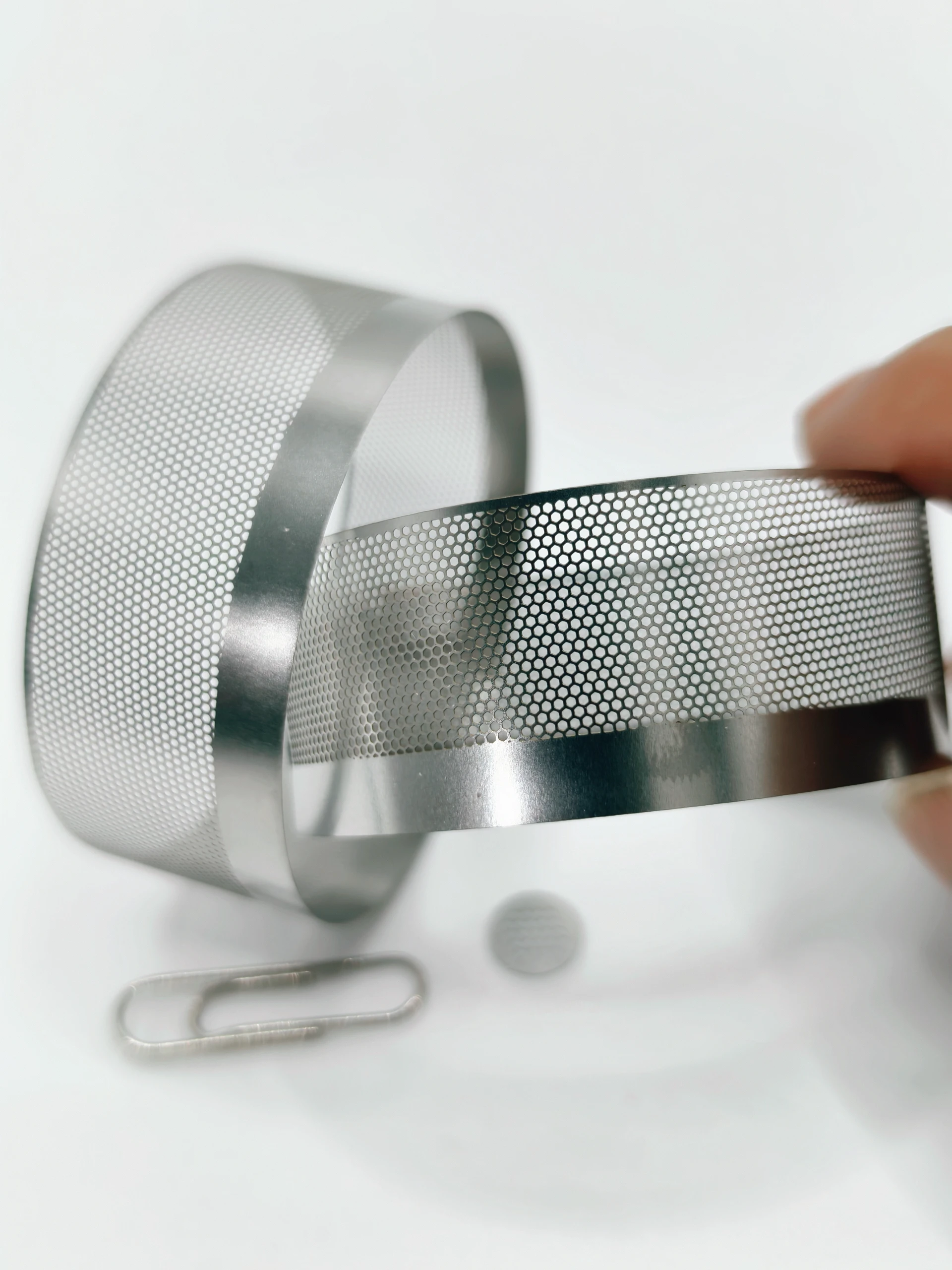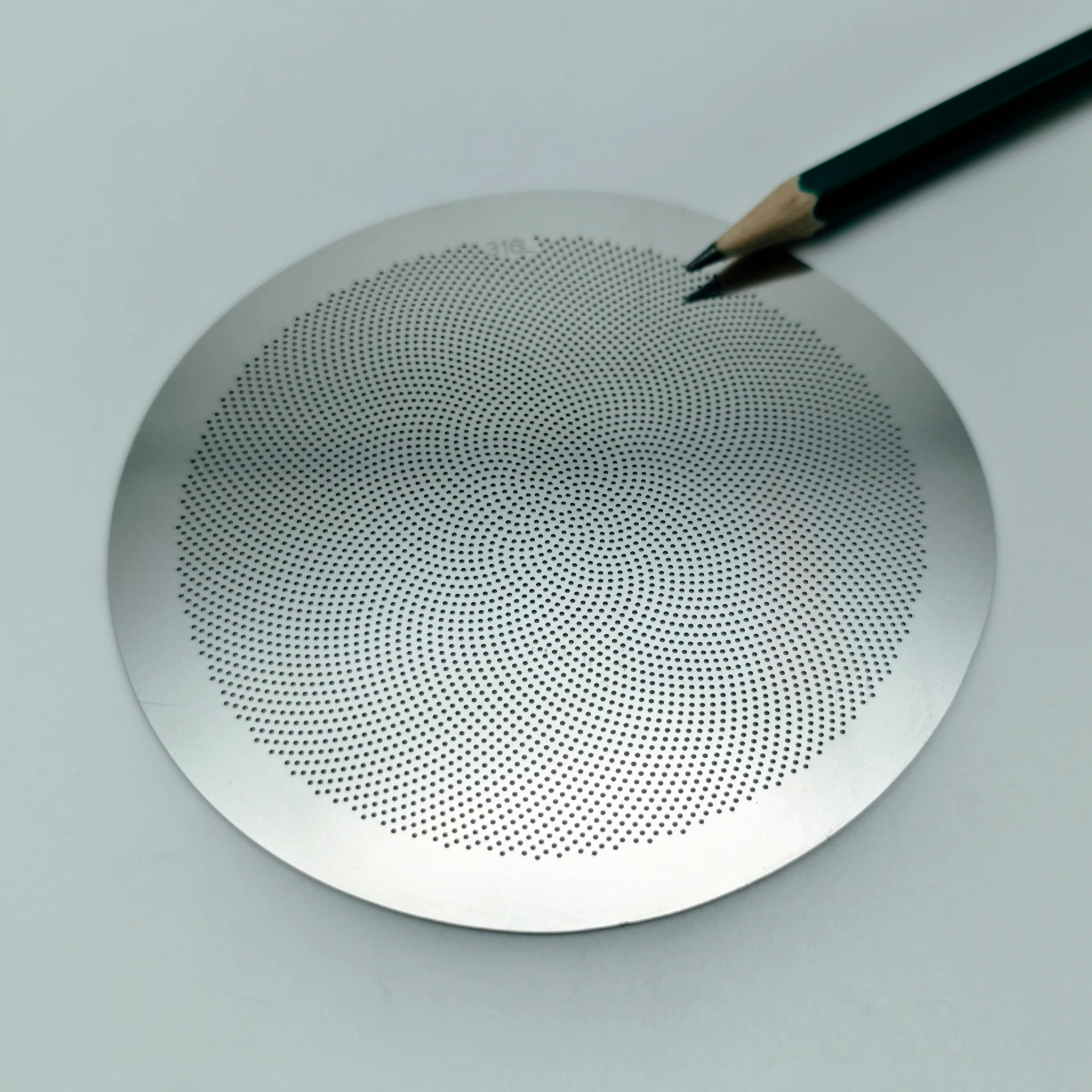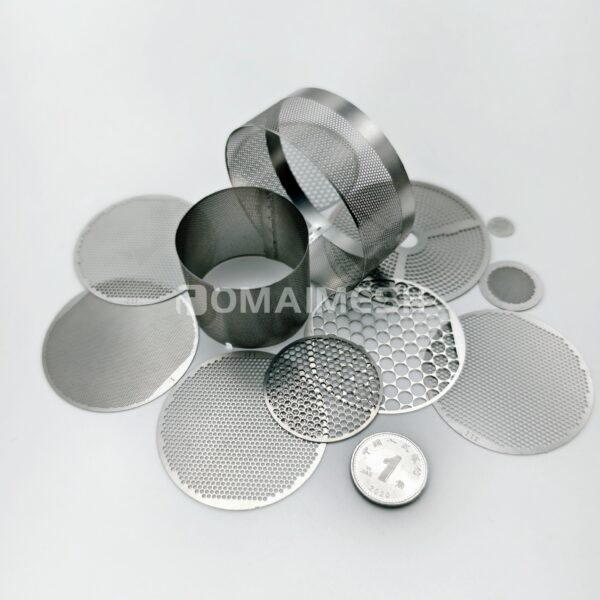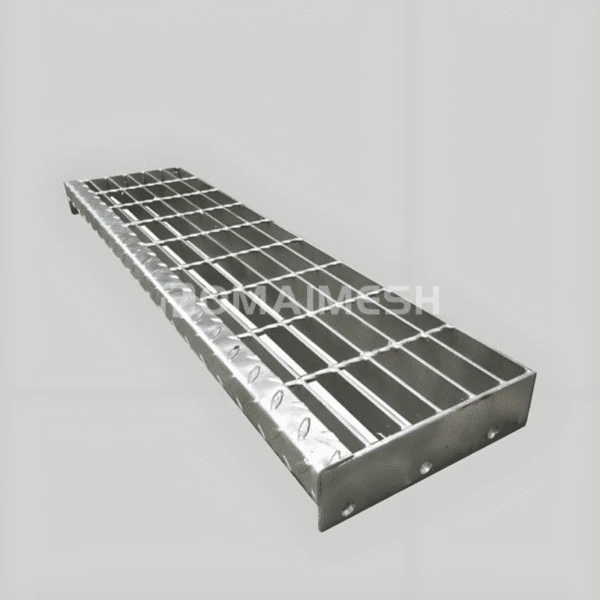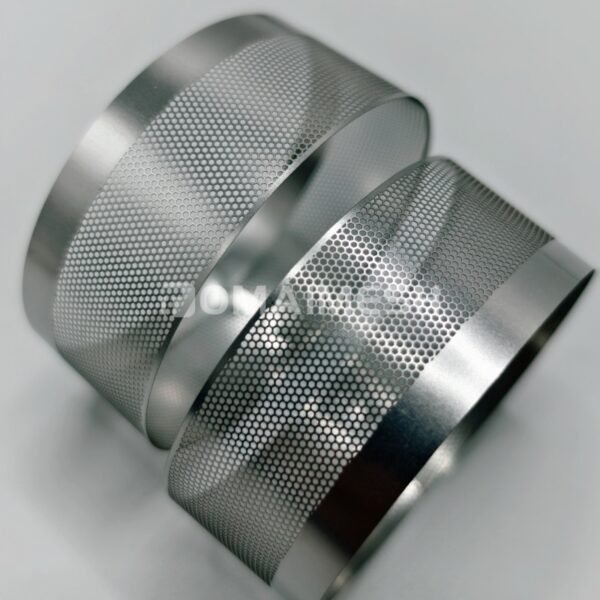
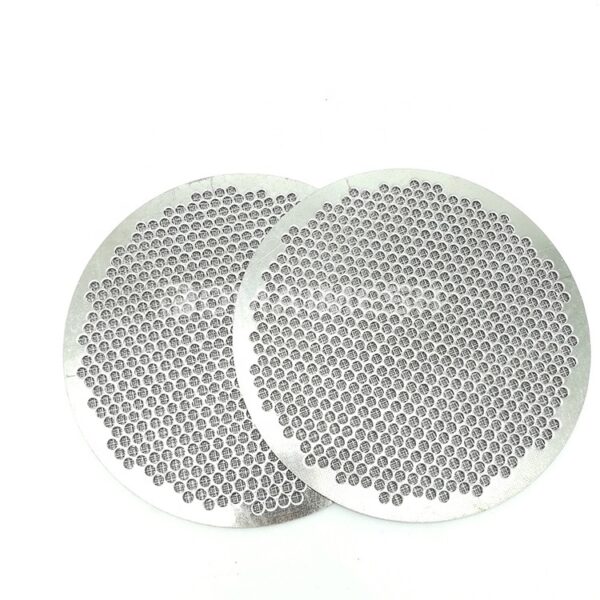
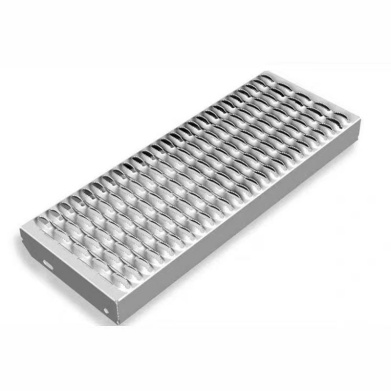
South Korea's manufacturing landscape is characterized by an aggressive shift toward "Smart Factories" and high-tech urban development. The demand for perforated mesh metal has surged, particularly in the semiconductor and automotive sectors where precise filtration and ventilation are critical for cleanroom environments.
Geographically, the coastal regions of Busan and Incheon require materials with extreme corrosion resistance due to high salinity and humidity. This has led to a significant preference for perforated aluminium plate over traditional carbon steel for architectural cladding and maritime safety barriers.
Economically, the South Korean market emphasizes "Zero Defect" quality control. Local contractors now prioritize materials that meet strict ISO and KS (Korean Industrial Standards), pushing the industry away from generic sheets toward highly engineered, custom-punched structural components.