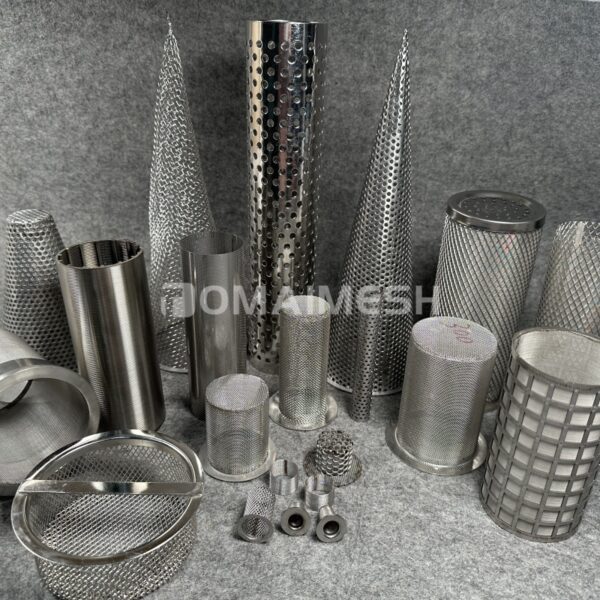
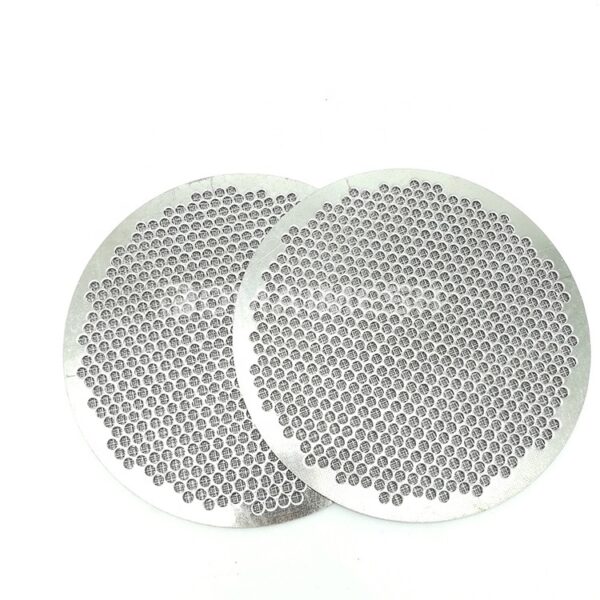
Advanced punched metal panels Solutions for Malaysia's Infrastructure

High-precision structural metal fabrication specializing in durable, corrosion-resistant perforated solutions tailored for the humid tropical climate of Southeast Asia.

Advanced punched metal panels Solutions for Malaysia's Infrastructure

Engineering superior structural integrity through precision perforation. We provide Malaysia's construction and safety sectors with high-grade metal components designed to withstand extreme environmental stress.

The State of Metal Fabrication in Malaysia

Analyzing the demand for high-performance perforated materials in a tropical maritime environment.

In Malaysia, the manufacturing of structural metal products faces unique challenges due to high humidity and salinity, especially in coastal hubs like Klang Valley and Penang. The demand for perforated aluminium plate has surged as developers seek lightweight yet corrosion-resistant alternatives to traditional steel for facade and safety applications.

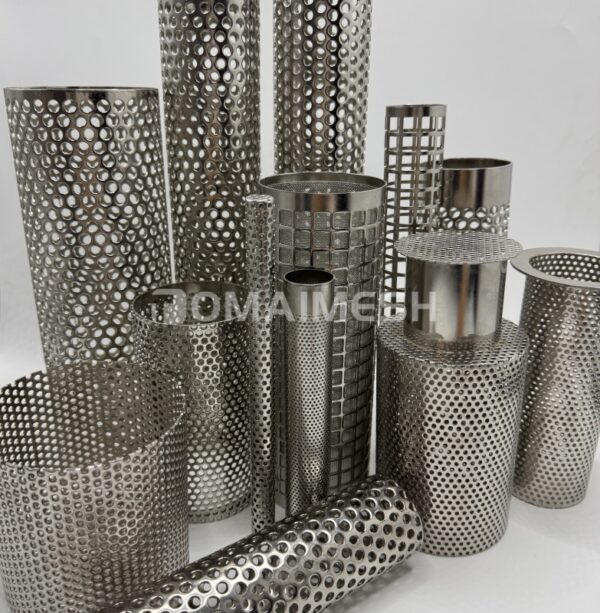
Current market dynamics show a shift toward specialized safety components. The adoption of slotted perforated metal is increasing in industrial ventilation and drainage systems to manage the heavy rainfall patterns characteristic of the region, ensuring structural longevity and efficient water runoff.

Furthermore, the local industry is transitioning from manual punching to CNC-driven automation. This evolution allows for the precise production of square perforated sheet components used in high-tech electronics cooling and urban architectural screening, meeting the stringent safety standards of Malaysia's construction laws.
Evolution of Perforation Technology

Tracing the trajectory from basic industrial mesh to smart architectural panels.

Market Development History

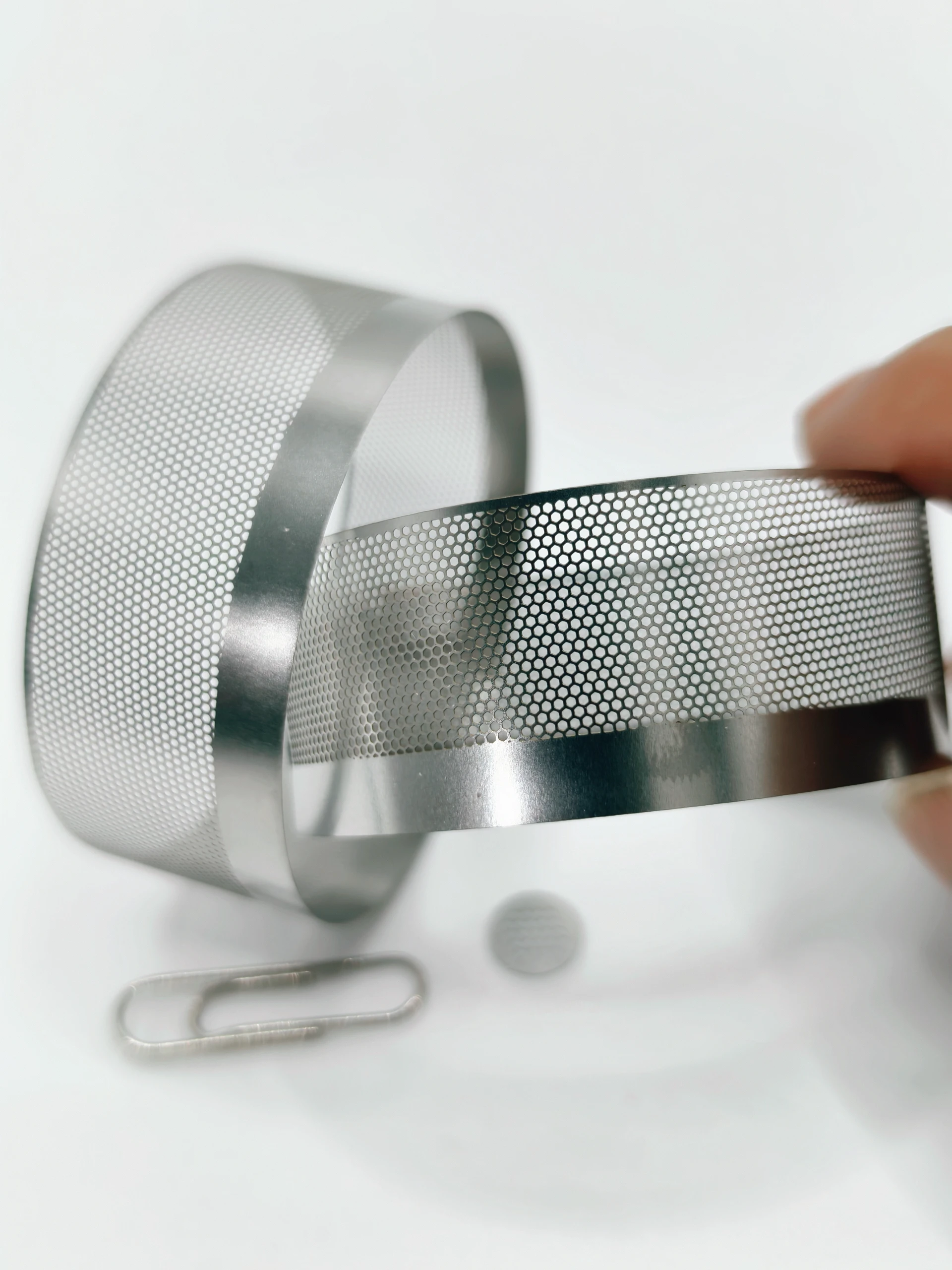
From 2000 to 2010, the Malaysian market relied heavily on basic perforated mesh metal produced via mechanical presses. These were primarily used for simple fencing and basic industrial filtration, with limited focus on aesthetic or complex structural requirements.

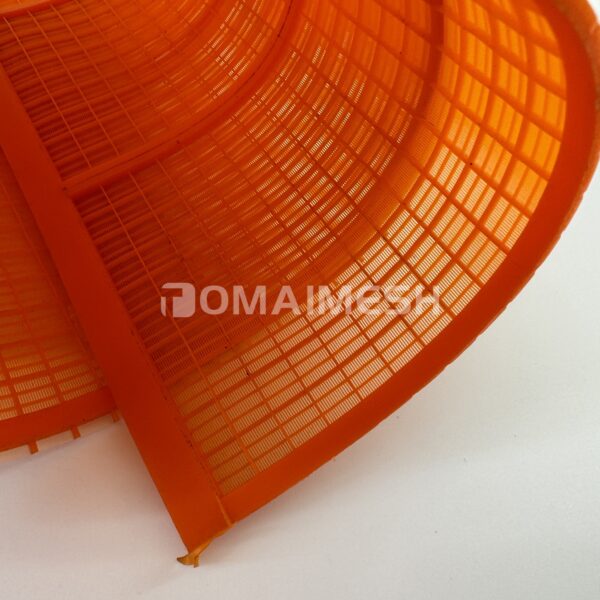
Between 2011 and 2020, the integration of CNC laser cutting and precision punching revolutionized the sector. This era saw the rise of customized architectural screens and safety guards, where the precision of hole diameter and pitch became critical for air-flow calculations and security ratings.

Entering the 2020s, the focus shifted toward material science. The industry moved beyond simple carbon steel to advanced alloys and treated aluminium, optimizing the weight-to-strength ratio for the booming skyscraper and infrastructure projects in Kuala Lumpur.

Future Development Trends

Sustainable Material Integration

There is a growing trend toward using recycled aluminium and eco-friendly coatings to reduce the carbon footprint of structural metal manufacturing in alignment with Malaysia's Green Building Index (GBI).

Smart Perforation Patterns

Algorithmic design is being used to create variable perforation densities, optimizing sunlight filtration and thermal regulation for buildings, reducing the reliance on air conditioning in hot climates.

Enhanced Anti-Corrosion Nano-Coatings

The development of nano-ceramic coatings for metal panels will significantly extend the lifespan of outdoor installations against the aggressive tropical oxidation process.

Industry Outlook and Future Projections

Forecasting the next 3-5 years of metal fabrication trends based on regional search data and economic growth.

Digital Design Integration
Increased use of BIM (Building Information Modeling) to synchronize perforated panel specs with architectural blueprints.
Lightweighting Trends
Shift toward high-strength, thin-gauge alloys to reduce structural load without compromising safety.
Customization at Scale
Adoption of "Mass Customization" allowing architects to order unique perforation patterns per floor.
Smart Cooling Systems
Integrating perforated panels into passive cooling facades to lower energy consumption in tropical climates.

Industry Outlook

Google search trends in Malaysia indicate a rising volume of queries related to "sustainable construction materials" and "industrial safety screens." This suggests that the market is moving away from generic products toward engineered solutions that prioritize both safety and environmental impact.

Over the next five years, we expect the structural metal industry in Malaysia to converge with smart-city initiatives, where perforated components will serve as the hardware for integrated urban sensing and ventilation networks.

Localized Application Scenarios in Malaysia

Real-world implementations of perforated metal solutions across various Malaysian sectors.

1. Urban Transit Ventilation (LRT/MRT)

Deployment of high-strength punched metal panels for ventilation grates in Kuala Lumpur's rail networks, ensuring optimal airflow and passenger safety while resisting heavy foot traffic.

2. Coastal Industrial Facades

Utilization of perforated aluminium plate for industrial cladding in Penang's Free Industrial Zone to prevent saltwater corrosion while maintaining building aesthetics.

3. Agricultural Drying Racks

Implementation of square perforated sheet in palm oil and rubber processing facilities for efficient air circulation during the drying process of raw materials.

4. High-Rise Safety Balustrades

Installation of slotted perforated metal as safety screens for luxury condominiums in Mont Kiara, blending privacy, wind permeability, and security.

5. Oil & Gas Equipment Guards

Custom-engineered perforated mesh metal guards for machinery protection in offshore platforms and refineries in Kerteh, Terengganu, prioritizing impact resistance.

Brand Story

Global Development Journey of Anping Tongmai Wire Mesh Products Co., Ltd.

Foundational Excellence

Established in the heart of China's wire mesh capital, we began with a mission to standardize the production of industrial filters and perforated sheets.

Technological Leap

Invested in advanced CNC punching and laser technologies to move from simple mesh to complex structural architectural components.

Global Market Expansion

Successfully expanded into the Southeast Asian market, establishing a strong presence in Malaysia by solving specific corrosion and humidity challenges.

Quality Certification

Achieved international ISO certifications, ensuring every panel delivered to global clients meets the most rigorous safety and durability standards.

Vision for Tomorrow

Dedicated to leading the industry in sustainable metal fabrication, creating a future where infrastructure is both enduring and eco-friendly.

Comprehensive Perforated Metal Portfolio for Malaysia

A complete range of structural and safety metal solutions designed for the Asian market.

Malaysia Perforated Metal FAQ

Expert answers to common technical questions regarding metal perforation and installation.

Which material is best for outdoor perforated aluminium plate in Malaysia?

For Malaysia's humid climate, we recommend marine-grade aluminium with a PVDF powder coating to provide maximum resistance against salt spray and UV degradation.

How do I choose the right hole size for square perforated sheet ventilation?

The choice depends on the required "Open Area Percentage." For high airflow, larger holes with smaller bridges are used; for security, smaller holes are preferred.

Can punched metal panels be customized for specific architectural patterns?

Yes, our CNC technology allows for complete customization of patterns, including logarithmic and organic shapes, tailored to your architectural CAD files.

What is the difference between perforated mesh metal and expanded metal?

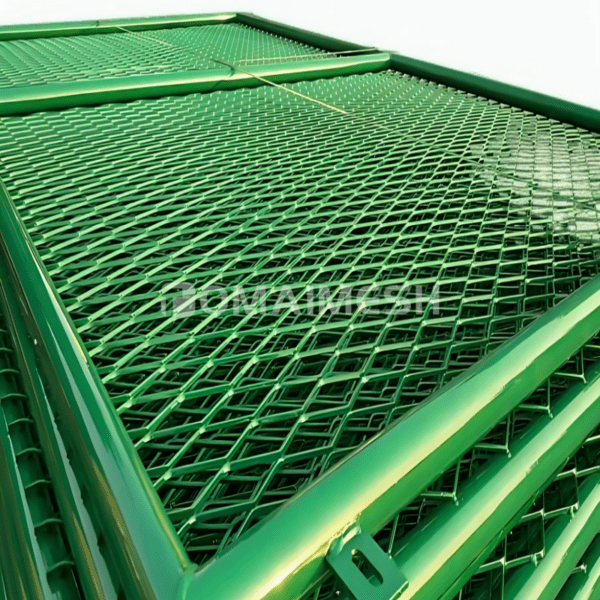
Perforated mesh is created by punching holes out of the sheet, maintaining a flat surface, whereas expanded metal is slit and stretched, creating a 3D diamond mesh.

Is slotted perforated metal suitable for heavy-duty industrial drainage?

Absolutely. Slotted designs provide superior structural rigidity along the length of the slot, making them ideal for heavy-load drainage covers in factories.

What lead times should I expect for custom orders shipped to Malaysia?

Standard orders typically take 2-3 weeks for production, with shipping to major Malaysian ports taking an additional 14-21 days depending on the freight method.

Request a Technical Consultation

Our engineering team is ready to help you select the perfect structural metal solutions for your project in Malaysia.

Contact Us Now

If you are interested in our products, you can choose to leave your information here, and we will be in touch with you shortly.